
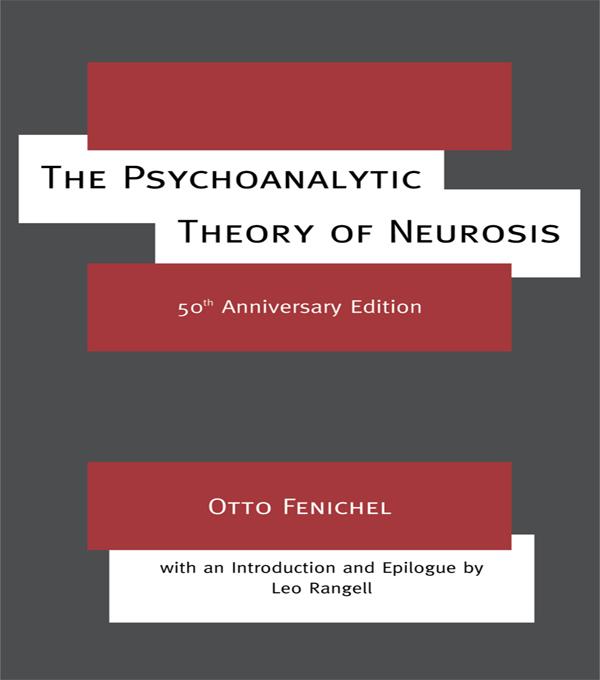
The Psychoanalytic Theory of Neurosis, Fenichel's classic text, summarized the first half century of psychoanalytic investigation into psychopathology and presented a general psychoanalytic theory of neurosis. When Otto Fenichel died, Anna Freud mourned the loss of 'his inexhaustible knowledge of psychoanalysis and his inimitable way of organizing and presenting his facts'. These qualities shine through The Psychoanalytic Theory of Neurosis which has been a standard reference for generations of psychoanalysts.
For this anniversary edition, Leo Rangell has written an introduction that sets Fenichel's work in context. He sees Fenichel as a worthy heir to Freud; both men influenced their followers by what Rangell calls 'the charisma of ideas'. In his epilogue, Rangell describes the fate of Fenichel's ideas and of this book as 'a barometer of the place of psychoanalysis ... within the external intellectual world and, even more significantly, of the trends and shifting winds of opinion within the psychoanalytic field itself'. He traces those trends through the turbulent controversies of the field, concluding that Fenichel's observations are as fresh and relevant today as they were fifty years ago.
Płać wygodnie kartą, Klarną, Apple Pay lub Google Pay. Nie jesteś zadowolony? Zawsze masz 14-dniową gwarancję zwrotu pieniędzy. Więcej przeczytasz w naszych warunkach. Masz pytania? Napisz do nas na hello@memmo.org.
Memmo ułatwia naukę – gdziekolwiek jesteś na świecie. U nas znajdziesz podręczniki i sprytne narzędzia do nauki w jednym miejscu: streszczenia, quizy, podcasty i fiszki. A do tego Ted, Twój kumpel do nauki, który odpowie na wszystko, co Cię nurtuje. Ponad 50 000 studentów już tu się uczy – stworzone, byś uczył się szybciej i mniej stresował.