
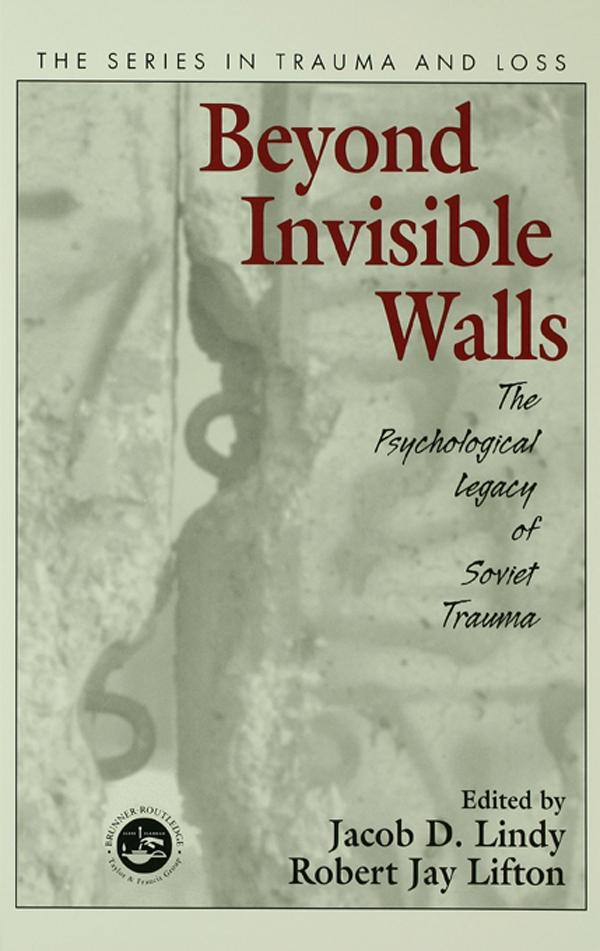
When the Berlin Wall fell in 1989, Westerners watched those who had survived the era of Soviet trauma emerge into what we hoped would be the exhilarating light of freedom. What we have witnessed, however, is a slow and painful process of progression and regression, of hope and disillusionment, of unexpected psychological barriers: invisible walls that block the progress we had hoped for. In Beyond Invisible Walls, East European therapists, themselves, draw a compelling picture of the waves of trauma that their people endured, the institutions of trauma that remained well after Stalin's era, and their impact on survivors and their families. They describe the psychological remnants of those years: walls that confine people by unconsciously preserving old adaptations to political terror, walls that divide one part of the mind from another, and walls that rise between one generation and the next. These therapists' stories allow us a striking glimpse into how patients' trauma evokes the therapists' own wounds; how both speaker and empathic listener find their way to a healing process, how the two begin to dismantle these invisible walls.
Płać wygodnie kartą, Klarną, Apple Pay lub Google Pay. Nie jesteś zadowolony? Zawsze masz 14-dniową gwarancję zwrotu pieniędzy. Więcej przeczytasz w naszych warunkach. Masz pytania? Napisz do nas na hello@memmo.org.
Memmo ułatwia naukę – gdziekolwiek jesteś na świecie. U nas znajdziesz podręczniki i sprytne narzędzia do nauki w jednym miejscu: streszczenia, quizy, podcasty i fiszki. A do tego Ted, Twój kumpel do nauki, który odpowie na wszystko, co Cię nurtuje. Ponad 50 000 studentów już tu się uczy – stworzone, byś uczył się szybciej i mniej stresował.
Może Ci się spodobać
Kup książkę0