
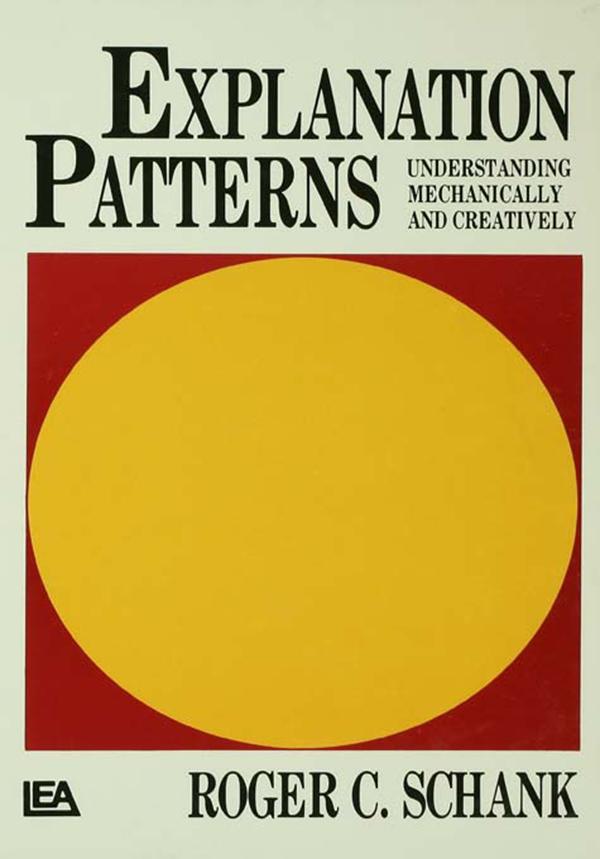
First Published in 1986. In the age of the computer, conjecture about things mechanical has naturally led to the question of whether machines can think. As the emphasis on Artificial Intelligence (AI) has grown rapidly, questions about machine intelligence have begun to have a certain urgency. The question we are concerned with in this book is: If we can find a set of processes that machines can slavishly follow, and if by so doing, these machines can come up with creative thoughts, what would that tell us about human beings? If the machine's procedure was adapted from a human procedure, that is, if all the machine was doing was what we know people are doing, would we abandon our inherent skepticism about the abilities of machines, or would we demystify our inherent admiration for things human? In a sense, these are the issues dealt with in this book. The author says in a sense because this book is no way a philosophical treatise. Rather it is an exercise in Artificial Intelligence and in Cognitive Science, it is an attempt to come to understand one of the most complex problems of mind by examining some of the mechanisms of mind: to define the apparatus that underlies our ability to think.
Płać wygodnie kartą, Klarną, Apple Pay lub Google Pay. Nie jesteś zadowolony? Zawsze masz 14-dniową gwarancję zwrotu pieniędzy. Więcej przeczytasz w naszych warunkach. Masz pytania? Napisz do nas na hello@memmo.org.
Memmo ułatwia naukę – gdziekolwiek jesteś na świecie. U nas znajdziesz podręczniki i sprytne narzędzia do nauki w jednym miejscu: streszczenia, quizy, podcasty i fiszki. A do tego Ted, Twój kumpel do nauki, który odpowie na wszystko, co Cię nurtuje. Ponad 50 000 studentów już tu się uczy – stworzone, byś uczył się szybciej i mniej stresował.
Może Ci się spodobać
Kup książkę0