
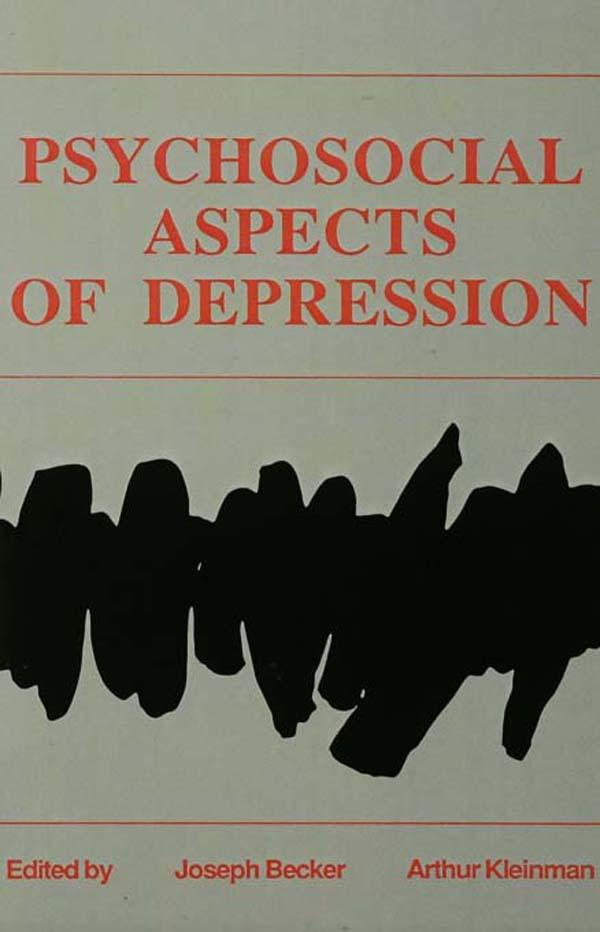
Despite general agreement that psychosocial factors play an important role in various facets of the etiology, onset, treatment response and outcome of depressive disorders, the replicability of research results has left much to be desired. Because much of this unreliability has been attributed to variability in diagnostic criteria, this volume focuses on efforts to identify sources of variability in the definition and diagnosis of depressive disorders within Western society and cross-culturally. It also explicates the elusive role of aversive life events in the development and course of depressive disorders, deals with the interpersonal experiences and dispositions related to the vulnerability and maintenance of depression, and addresses an often neglected issue: how stress and social support affect the quality and response to treatment received. The text concludes with the presentation of an integrative framework for vulnerability to recurrent depressions which emphasizes the interaction of biological and psychosocial factors as largely mediated by personality and temperament.
Płać wygodnie kartą, Klarną, Apple Pay lub Google Pay. Nie jesteś zadowolony? Zawsze masz 14-dniową gwarancję zwrotu pieniędzy. Więcej przeczytasz w naszych warunkach. Masz pytania? Napisz do nas na hello@memmo.org.
Memmo ułatwia naukę – gdziekolwiek jesteś na świecie. U nas znajdziesz podręczniki i sprytne narzędzia do nauki w jednym miejscu: streszczenia, quizy, podcasty i fiszki. A do tego Ted, Twój kumpel do nauki, który odpowie na wszystko, co Cię nurtuje. Ponad 50 000 studentów już tu się uczy – stworzone, byś uczył się szybciej i mniej stresował.