
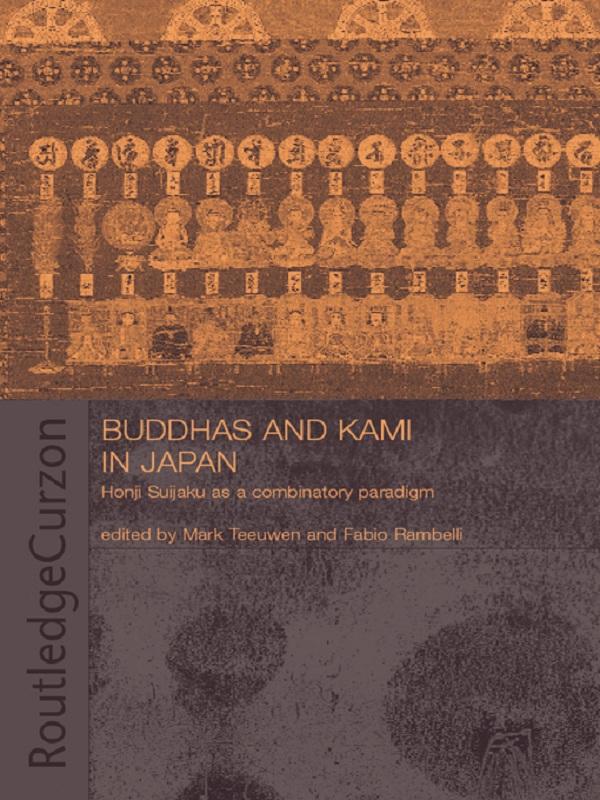
This volume offers a multidisciplinary approach to the combinatory tradition that dominated premodern and early modern Japanese religion, known as honji suijaku (originals and their traces). It questions received, simplified accounts of the interactions between Shinto and Japanese Buddhism, and presents a more dynamic and variegated religious world, one in which the deities' Buddhist originals and local traces did not constitute one-to-one associations, but complex combinations of multiple deities based on semiotic operations, doctrines, myths, and legends. The book's essays, all based on specific case studies, discuss the honji suijaku paradigm from a number of different perspectives, always integrating historical and doctrinal analysis with interpretive insights.
Płać wygodnie kartą, Klarną, Apple Pay lub Google Pay. Nie jesteś zadowolony? Zawsze masz 14-dniową gwarancję zwrotu pieniędzy. Więcej przeczytasz w naszych warunkach. Masz pytania? Napisz do nas na hello@memmo.org.
Memmo ułatwia naukę – gdziekolwiek jesteś na świecie. U nas znajdziesz podręczniki i sprytne narzędzia do nauki w jednym miejscu: streszczenia, quizy, podcasty i fiszki. A do tego Ted, Twój kumpel do nauki, który odpowie na wszystko, co Cię nurtuje. Ponad 50 000 studentów już tu się uczy – stworzone, byś uczył się szybciej i mniej stresował.