
Learn physical geography at your own pace
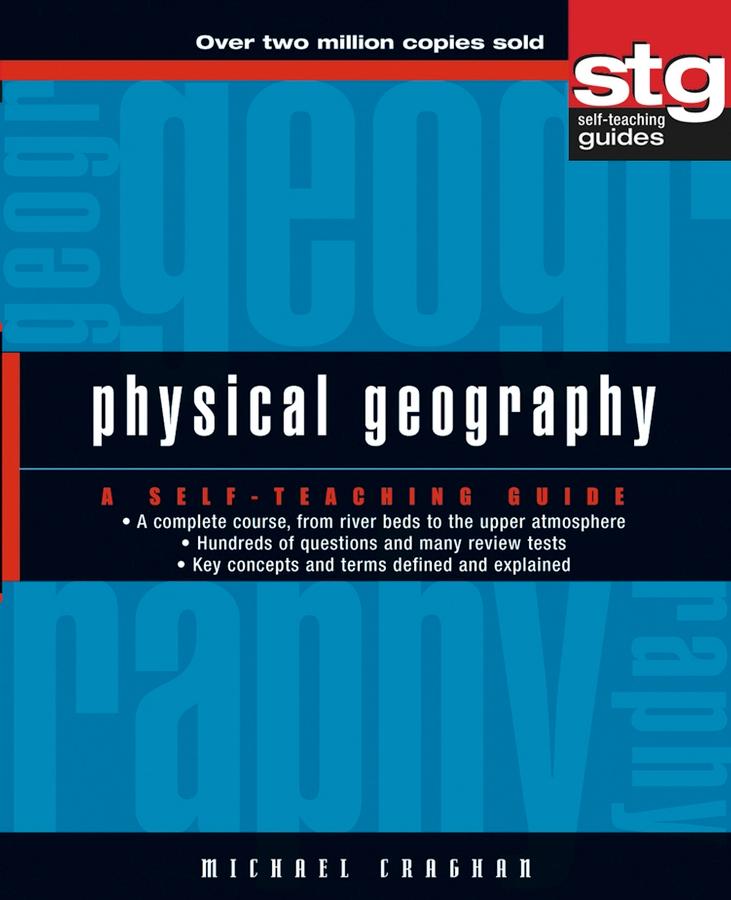
What is atmospheric pressure? How does latitude indicate the type of climate a specific place will have? Where are volcanic eruptions or strong earthquakes most likely to occur? With Physical Geography: A Self-Teaching Guide, you'll discover the answers to these questions and many more about the basics of how our planet operates.
Veteran geography teacher Michael Craghan takes you on a guided tour of Earth's surface, explaining our planet's systems and cycles and their complex interactions step by step. From seasonal changes to coastal processes, from effluvial basins to deep sea fissures, Craghan puts the emphasis on comprehension of the topics. He also includes more than 100 specially commissioned illustrations and 50 photographs to help clarify difficult concepts. The clearly structured format of Physical Geography makes it fully accessible, providing an easily understood, comprehensive overview for everyone from the student to the amateur geographer to the hobbyist.
Like all Self-Teaching Guides, Physical Geography allows you to build gradually on what you have learned-at your own pace. Questions and self-tests reinforce the information in each chapter and allow you to skip ahead or focus on specific areas of concern. Packed with useful, up-to-date information, this clear, concise volume is a valuable learning tool and reference source for anyone who wants to improve his or her understanding of physical geography.
What is atmospheric pressure? How does latitude indicate the type of climate a specific place will have? Where are volcanic eruptions or strong earthquakes most likely to occur? With Physical Geography: A Self-Teaching Guide, you'll discover the answers to these questions and many more about the basics of how our planet operates.
Veteran geography teacher Michael Craghan takes you on a guided tour of Earth's surface, explaining our planet's systems and cycles and their complex interactions step by step. From seasonal changes to coastal processes, from effluvial basins to deep sea fissures, Craghan puts the emphasis on comprehension of the topics. He also includes more than 100 specially commissioned illustrations and 50 photographs to help clarify difficult concepts. The clearly structured format of Physical Geography makes it fully accessible, providing an easily understood, comprehensive overview for everyone from the student to the amateur geographer to the hobbyist.
Like all Self-Teaching Guides, Physical Geography allows you to build gradually on what you have learned-at your own pace. Questions and self-tests reinforce the information in each chapter and allow you to skip ahead or focus on specific areas of concern. Packed with useful, up-to-date information, this clear, concise volume is a valuable learning tool and reference source for anyone who wants to improve his or her understanding of physical geography.
Płać wygodnie kartą, Klarną, Apple Pay lub Google Pay. Nie jesteś zadowolony? Zawsze masz 14-dniową gwarancję zwrotu pieniędzy. Więcej przeczytasz w naszych warunkach. Masz pytania? Napisz do nas na hello@memmo.org.
Memmo ułatwia naukę – gdziekolwiek jesteś na świecie. U nas znajdziesz podręczniki i sprytne narzędzia do nauki w jednym miejscu: streszczenia, quizy, podcasty i fiszki. A do tego Ted, Twój kumpel do nauki, który odpowie na wszystko, co Cię nurtuje. Ponad 50 000 studentów już tu się uczy – stworzone, byś uczył się szybciej i mniej stresował.