
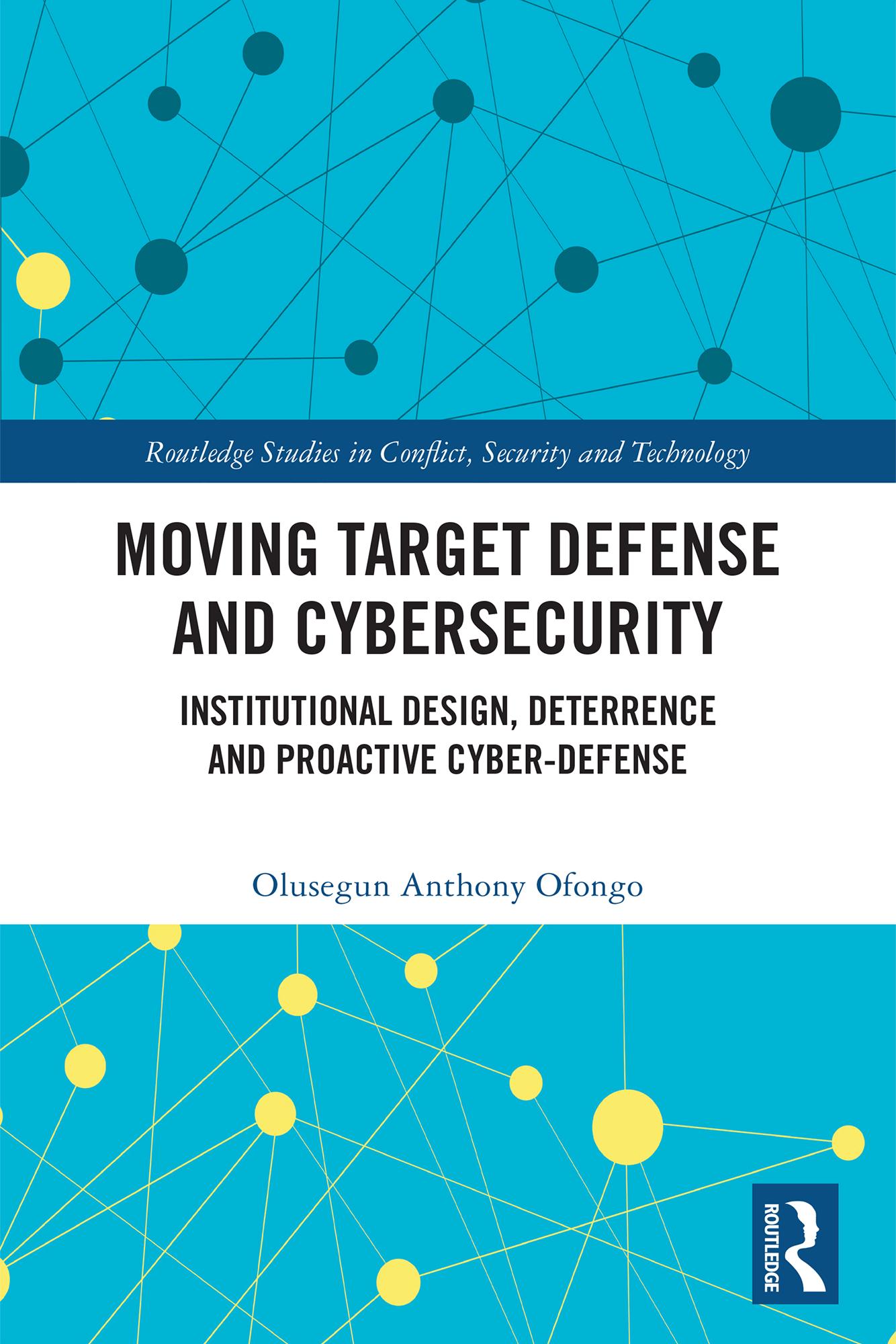
This book examines Moving Target Defense (MTD) as a strategic and institutional response to the weaknesses of static cyber defense in democratic states.
Using Canada as the principal empirical case, and drawing comparisons with the United States, the UK, and Australia, the book argues that adaptive denial is a governance problem before it is a technological one. It develops a framework for evaluating MTD against alliance interoperability, digital sovereignty, and democratic accountability, and examines real-world threats, including Chinese state-sponsored hacking groups such as Volt Typhoon, ransomware attacks on hospitals and pipelines, and foreign interference in democratic institutions. Bridging cybersecurity technology, national security policy, and democratic governance, this work provides practical insights for policymakers, security professionals, and scholars seeking to understand how liberal democracies can better protect themselves in an era of relentless digital competition.
This book will be of much interest to students of cybersecurity, strategic studies, law and technology, and international relations.
Płać wygodnie kartą, Klarną, Apple Pay lub Google Pay. Nie jesteś zadowolony? Zawsze masz 14-dniową gwarancję zwrotu pieniędzy. Więcej przeczytasz w naszych warunkach. Masz pytania? Napisz do nas na hello@memmo.org.
Memmo ułatwia naukę – gdziekolwiek jesteś na świecie. U nas znajdziesz podręczniki i sprytne narzędzia do nauki w jednym miejscu: streszczenia, quizy, podcasty i fiszki. A do tego Ted, Twój kumpel do nauki, który odpowie na wszystko, co Cię nurtuje. Ponad 50 000 studentów już tu się uczy – stworzone, byś uczył się szybciej i mniej stresował.