
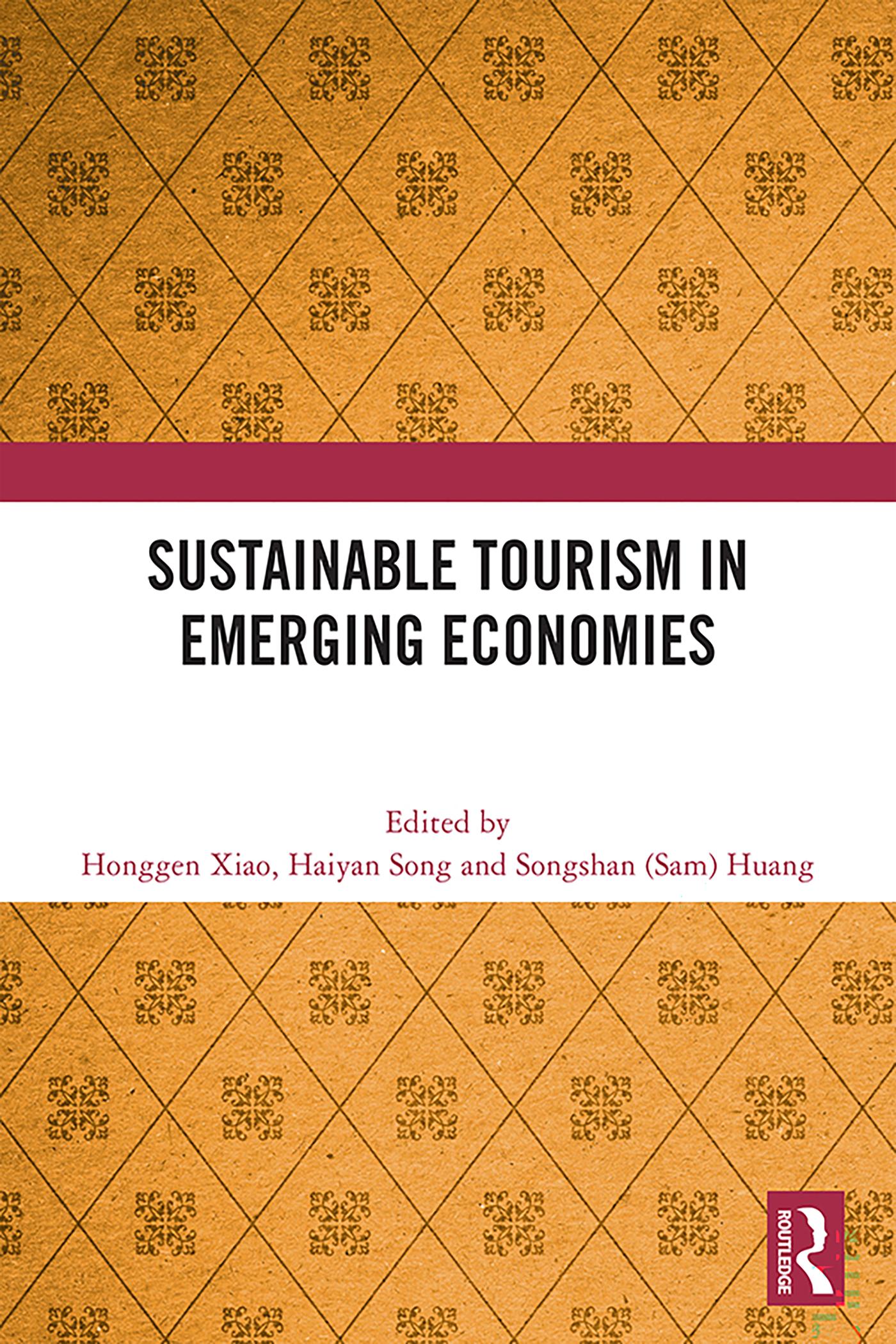
This book focuses on sustainable tourism theory and practice in emerging economies, particularly in Asia. Sustainability as a paradigm of development has been widely researched and practiced in hospitality and tourism industries. Nonetheless, existing theories are largely developed in the Western contexts, and may not be completely applicable to situations in emerging economies, where, due to sociocultural differences, priorities have often been on the "short-term" aspects of economic development, a growth which often occurs at the cost of sociocultural and environmental integrity. As a result, the "long-term" fronts of development in emerging economies, as well as the role of tourism in facilitating change for the better have been inadequately understood.
Through thirteen curated chapters, the authors address such socio-cultural and cross-cultural differences in the theory and practice of sustainable tourism in emerging economies. The collection aims to encourage and enhance interactions and dialogues between Eastern and Western paradigms in sustainable tourism research and practice.
This comprehensive resource is designed for students, researchers, professionals and development practitioners working in emerging economies. The book spans multiple subject areas including development economics, sustainable tourism development, hospitality management, environmental studies and cross-cultural studies.
The chapters in this book were originally published as a special issue of Journal of Sustainable Tourism.
Płać wygodnie kartą, Klarną, Apple Pay lub Google Pay. Nie jesteś zadowolony? Zawsze masz 14-dniową gwarancję zwrotu pieniędzy. Więcej przeczytasz w naszych warunkach. Masz pytania? Napisz do nas na hello@memmo.org.
Memmo ułatwia naukę – gdziekolwiek jesteś na świecie. U nas znajdziesz podręczniki i sprytne narzędzia do nauki w jednym miejscu: streszczenia, quizy, podcasty i fiszki. A do tego Ted, Twój kumpel do nauki, który odpowie na wszystko, co Cię nurtuje. Ponad 50 000 studentów już tu się uczy – stworzone, byś uczył się szybciej i mniej stresował.