
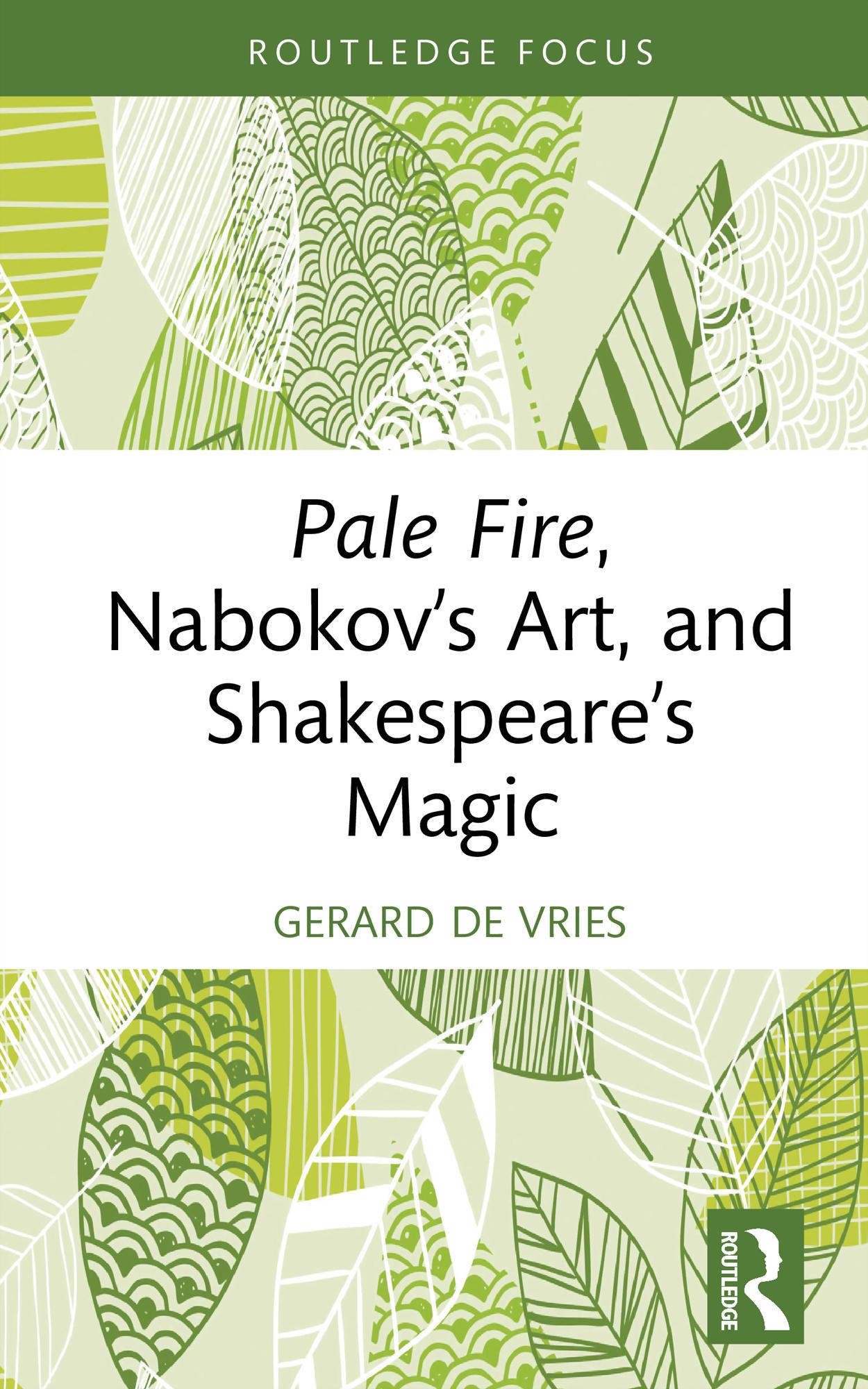
This manuscript examines Vladimir Nabokov's Pale Fire, widely regarded as his most challenging and critically acclaimed work. While Lolita remains Nabokov's best-known novel, Pale Fire has generated the most sustained scholarly attention and interpretive debate among literary critics. Existing scholarship on Shakespeare's influence in Pale Fire has remained narrowly focused on Timon of Athens, the source of the novel's title. This study provides the first comprehensive analysis of all fifty-one Shakespearean references throughout the text, examining the complete range of plays to which Nabokov alludes. Through systematic investigation of these intertextual connections, this work demonstrates that Nabokov's deployment of Shakespearean imagery functions as a crucial interpretive key to the novel's central concerns. The analysis reveals how Shakespeare's presence illuminates three fundamental themes in Pale Fire: the novel's autobiographical dimensions, the protagonist's quest for immortality, and the tragedy of Hazel Shade, the work's tragic heroine. By tracing these Shakespearean threads throughout Nabokov's intricate narrative structure, this study offers new insights into the novel's complex thematic architecture and demonstrates how literary allusion operates as both aesthetic strategy and meaning-making device in one of twentieth-century literature's most enigmatic masterworks.
Płać wygodnie kartą, Klarną, Apple Pay lub Google Pay. Nie jesteś zadowolony? Zawsze masz 14-dniową gwarancję zwrotu pieniędzy. Więcej przeczytasz w naszych warunkach. Masz pytania? Napisz do nas na hello@memmo.org.
Memmo ułatwia naukę – gdziekolwiek jesteś na świecie. U nas znajdziesz podręczniki i sprytne narzędzia do nauki w jednym miejscu: streszczenia, quizy, podcasty i fiszki. A do tego Ted, Twój kumpel do nauki, który odpowie na wszystko, co Cię nurtuje. Ponad 50 000 studentów już tu się uczy – stworzone, byś uczył się szybciej i mniej stresował.