
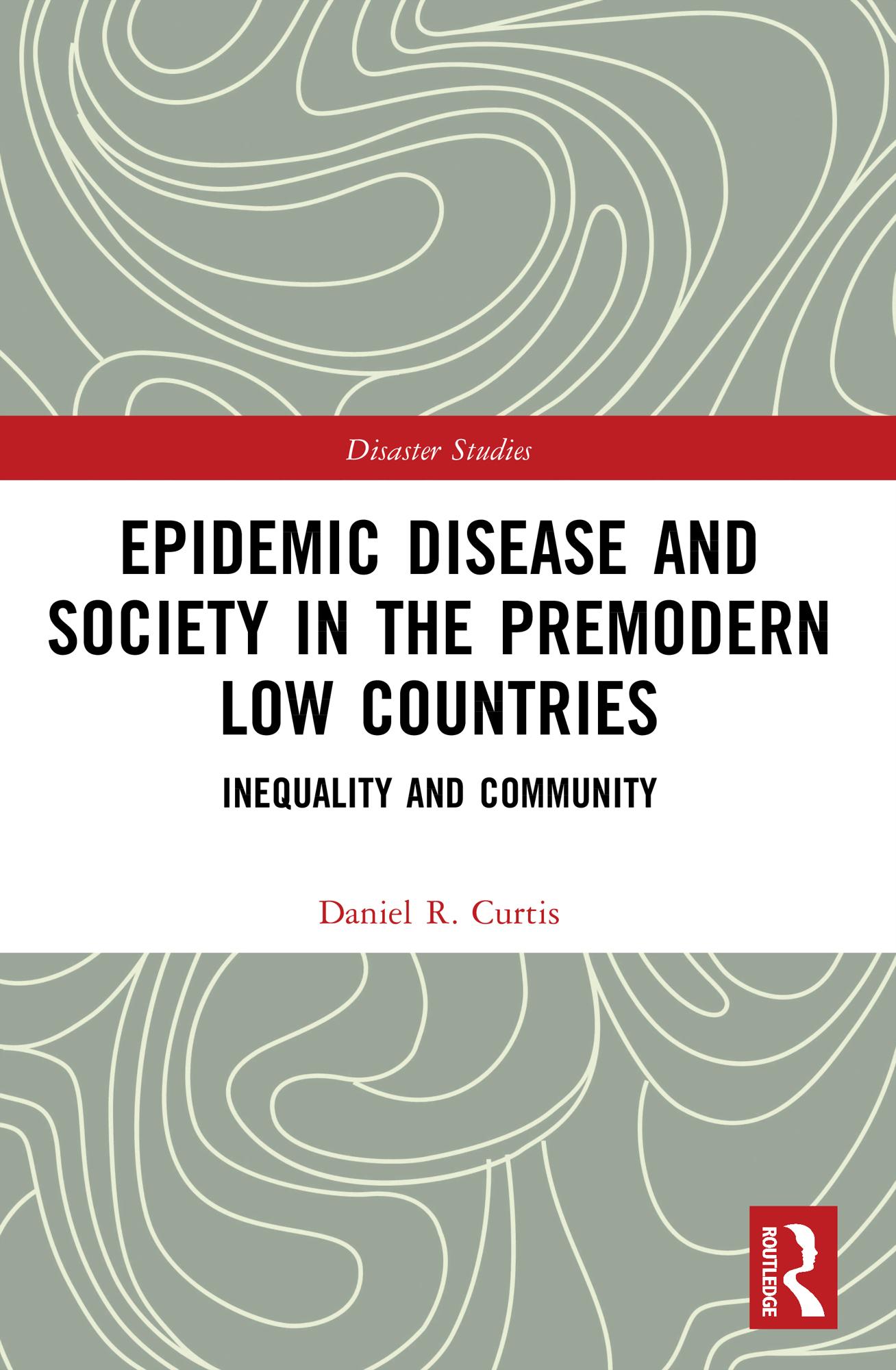
In this book, evidence from a long-run history of epidemic-society interaction in the Low Countries shows that most recurring outbreaks were accommodated by communities, and most reactions, responses, and changes seen were the product of frequent and incremental adaptations, sometimes in periods outside of epidemics.
Epidemics blur the distinction between the normal and the sub-normal. Accordingly, although histories tend to emphasise epidemics’ capacity to create sharp changes, deviations, or transitions within societies and economies, this book develops an alternative argument that the most relevant questions are not “how and why change”, but given the substantial pressures of raised mortality, why was change often so modest? It brings together around five centuries' worth of existing and new evidence on epidemics and societal resistance, wealth redistribution, and women’s experiences to support this interpretation.
Challenging conventional narratives about epidemics as agents of dramatic change, this book will be of interest to researchers examining historiographical debates about crisis and continuity in European history.
The Open Access version of this book, available at http://www.taylorfrancis.com, has been made available under a Creative Commons [Attribution-Non Commercial-No Derivatives (CC BY-NC-ND)] 4.0 license.
Płać wygodnie kartą, Klarną, Apple Pay lub Google Pay. Nie jesteś zadowolony? Zawsze masz 14-dniową gwarancję zwrotu pieniędzy. Więcej przeczytasz w naszych warunkach. Masz pytania? Napisz do nas na hello@memmo.org.
Memmo ułatwia naukę – gdziekolwiek jesteś na świecie. U nas znajdziesz podręczniki i sprytne narzędzia do nauki w jednym miejscu: streszczenia, quizy, podcasty i fiszki. A do tego Ted, Twój kumpel do nauki, który odpowie na wszystko, co Cię nurtuje. Ponad 50 000 studentów już tu się uczy – stworzone, byś uczył się szybciej i mniej stresował.