
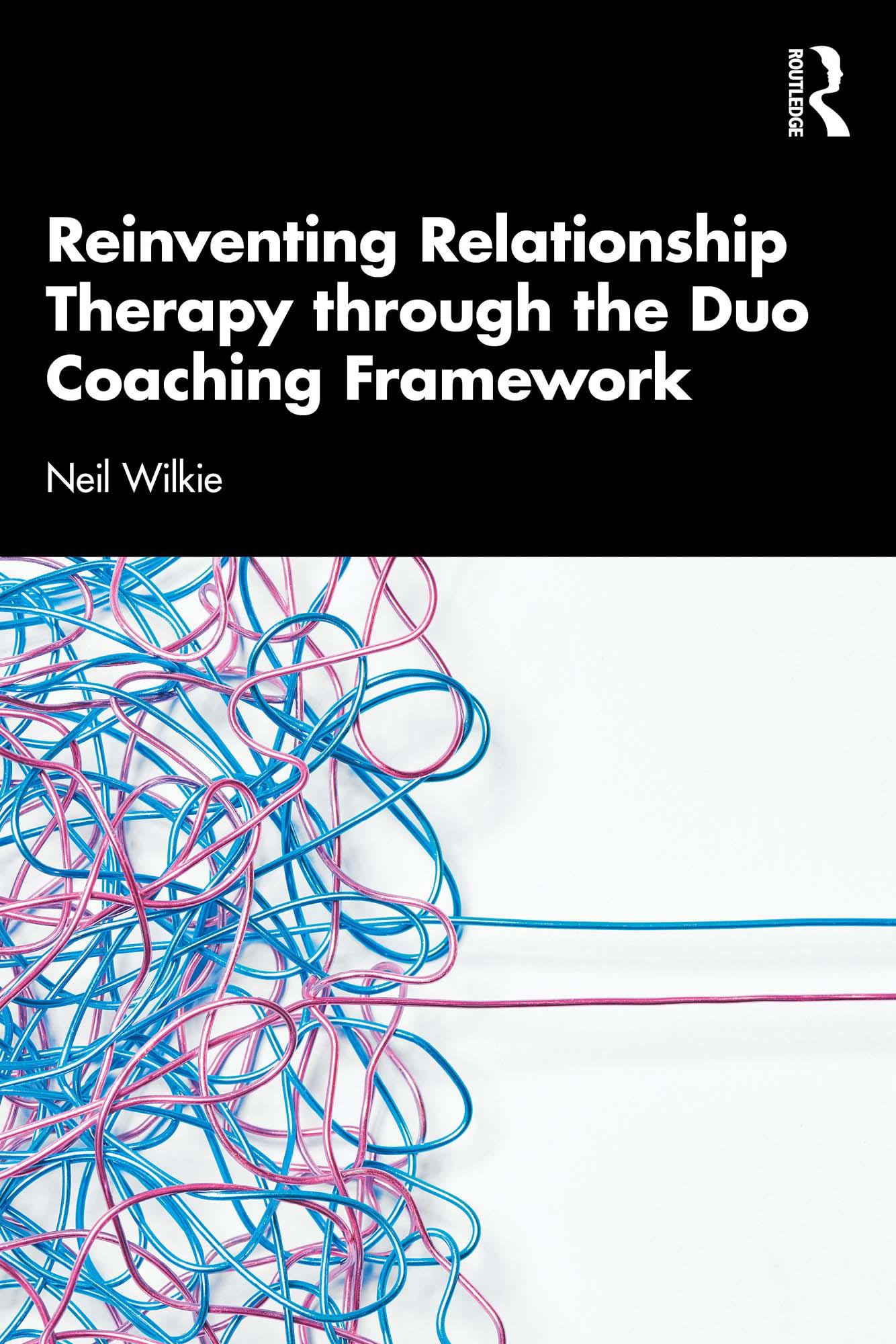
Reinventing Relationship Therapy through the Duo Coaching Framework introduces a revolutionary approach that replaces outdated single-therapist models with innovative dual‑therapist collaboration, transforming how we understand and practice relationship therapy in the modern world.
This book systematically examines four key areas: robust theoretical foundations integrating systems theory, attachment theory, and neuroscience; a critical analysis of conventional therapy limitations, including the restrictive “therapeutic hour” and single‑therapist models; the innovative Duo Coaching framework featuring two therapists working collaboratively with couples in extended 3.5‑hour sessions across a structured six‑session framework; and practical implementation guidance for integrating multiple therapeutic modalities. Wilkie addresses how digital technology and evolving social norms reshape contemporary relationships, demanding new therapeutic responses that bridge individual healing with broader societal wellbeing. This framework demonstrates measurable success in helping couples achieve lasting transformation through innovative session structures, blending of multiple modalities, dual‑therapist collaboration, and comprehensive between‑session support, providing immediately applicable tools for enhancing therapeutic effectiveness.
This transdisciplinary approach offers relationship therapists, academics, and students an evidence‑informed alternative to conventional practice.
Płać wygodnie kartą, Klarną, Apple Pay lub Google Pay. Nie jesteś zadowolony? Zawsze masz 14-dniową gwarancję zwrotu pieniędzy. Więcej przeczytasz w naszych warunkach. Masz pytania? Napisz do nas na hello@memmo.org.
Memmo ułatwia naukę – gdziekolwiek jesteś na świecie. U nas znajdziesz podręczniki i sprytne narzędzia do nauki w jednym miejscu: streszczenia, quizy, podcasty i fiszki. A do tego Ted, Twój kumpel do nauki, który odpowie na wszystko, co Cię nurtuje. Ponad 50 000 studentów już tu się uczy – stworzone, byś uczył się szybciej i mniej stresował.