
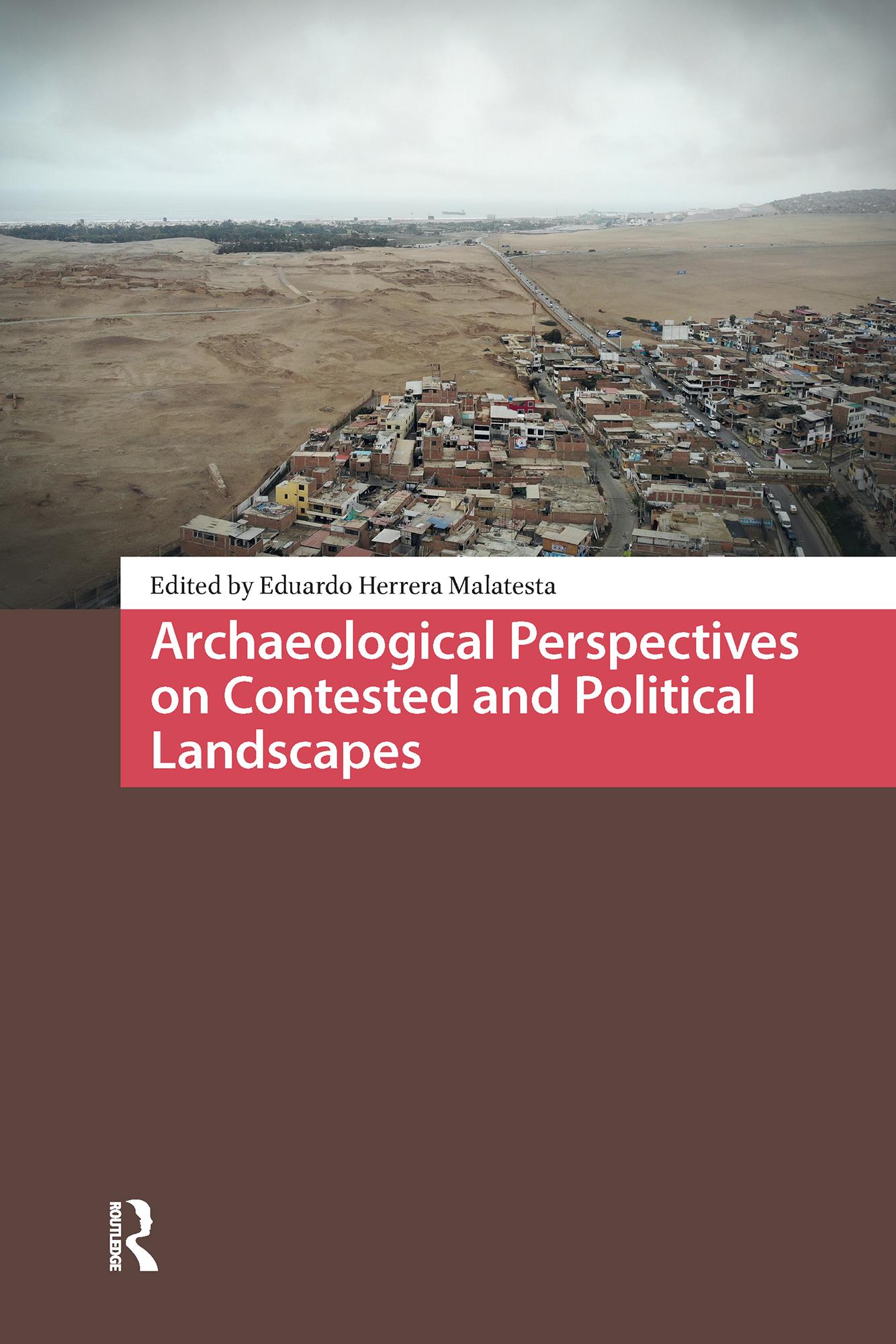
This book focuses on alternative definitions of landscape in archaeology, particularly those that explicitly address landscapes’ political aspects. In doing so, this volume emphasizes the non-static, dialogic nature of landscape within a community and acknowledges how a community’s composition and its relationship with the landscape can lead to tensions and even violent conflicts with other groups. It highlights the relevance of considering movement, borders, and conflict as sources for understanding how people create their own landscapes and how they reshape them in times of political conflict. For example, in contexts of colonization and war, people are forced to adapt to new politics and hierarchies as they see their personal and communal understanding of the world deeply transformed, something visible even today as political tensions constantly reshape local and global landscapes. Understanding how landscapes were created and contested in the past is essential for understanding their political, economic, and cultural manifestations in the present in order to better organize ourselves for a truly integrative future.
Płać wygodnie kartą, Klarną, Apple Pay lub Google Pay. Nie jesteś zadowolony? Zawsze masz 14-dniową gwarancję zwrotu pieniędzy. Więcej przeczytasz w naszych warunkach. Masz pytania? Napisz do nas na hello@memmo.org.
Memmo ułatwia naukę – gdziekolwiek jesteś na świecie. U nas znajdziesz podręczniki i sprytne narzędzia do nauki w jednym miejscu: streszczenia, quizy, podcasty i fiszki. A do tego Ted, Twój kumpel do nauki, który odpowie na wszystko, co Cię nurtuje. Ponad 50 000 studentów już tu się uczy – stworzone, byś uczył się szybciej i mniej stresował.
Może Ci się spodobać
Kup książkę0