
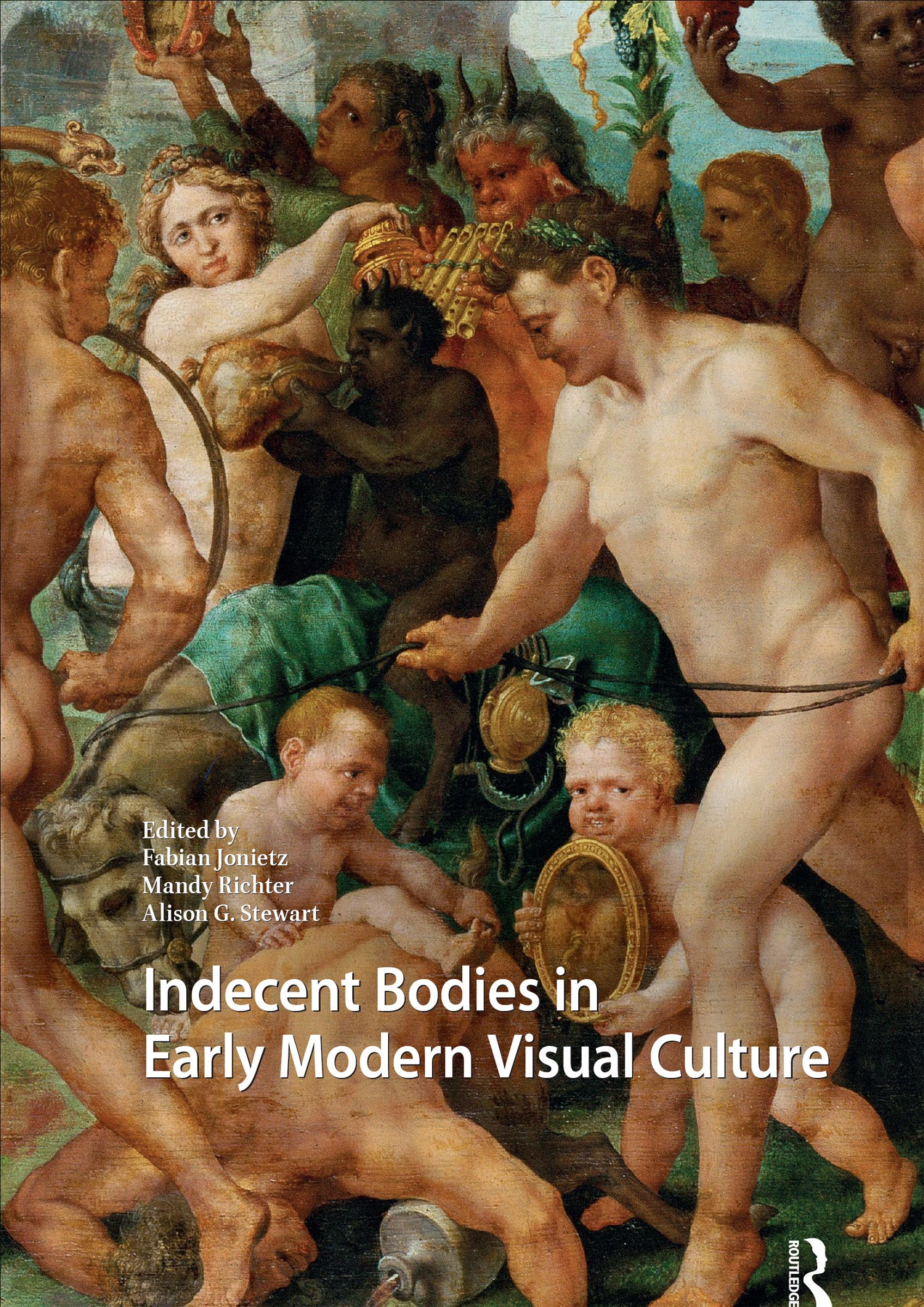
The life-like depiction of the body became a central interest and defining characteristic of the European Early Modern period that coincided with the establishment of which images of the body were to be considered ‘decent’ and representable, and which disapproved, censored, or prohibited. Simultaneously, artists and the public became increasingly interested in the depiction of specific body parts or excretions. This book explores the concept of indecency and its relation to the human body across drawings, prints, paintings, sculptures, and texts. The ten essays investigate questions raised by such objects about practices and social norms regarding the body, and they look at the particular function of those artworks within this discourse. The heterogeneous media, genres, and historical contexts north and south of the Alps studied by the authors demonstrate how the alleged indecency clashed with artistic intentions and challenges traditional paradigms of the historiography of Early Modern visual culture.
Płać wygodnie kartą, Klarną, Apple Pay lub Google Pay. Nie jesteś zadowolony? Zawsze masz 14-dniową gwarancję zwrotu pieniędzy. Więcej przeczytasz w naszych warunkach. Masz pytania? Napisz do nas na hello@memmo.org.
Memmo ułatwia naukę – gdziekolwiek jesteś na świecie. U nas znajdziesz podręczniki i sprytne narzędzia do nauki w jednym miejscu: streszczenia, quizy, podcasty i fiszki. A do tego Ted, Twój kumpel do nauki, który odpowie na wszystko, co Cię nurtuje. Ponad 50 000 studentów już tu się uczy – stworzone, byś uczył się szybciej i mniej stresował.
Może Ci się spodobać
Kup książkę0