
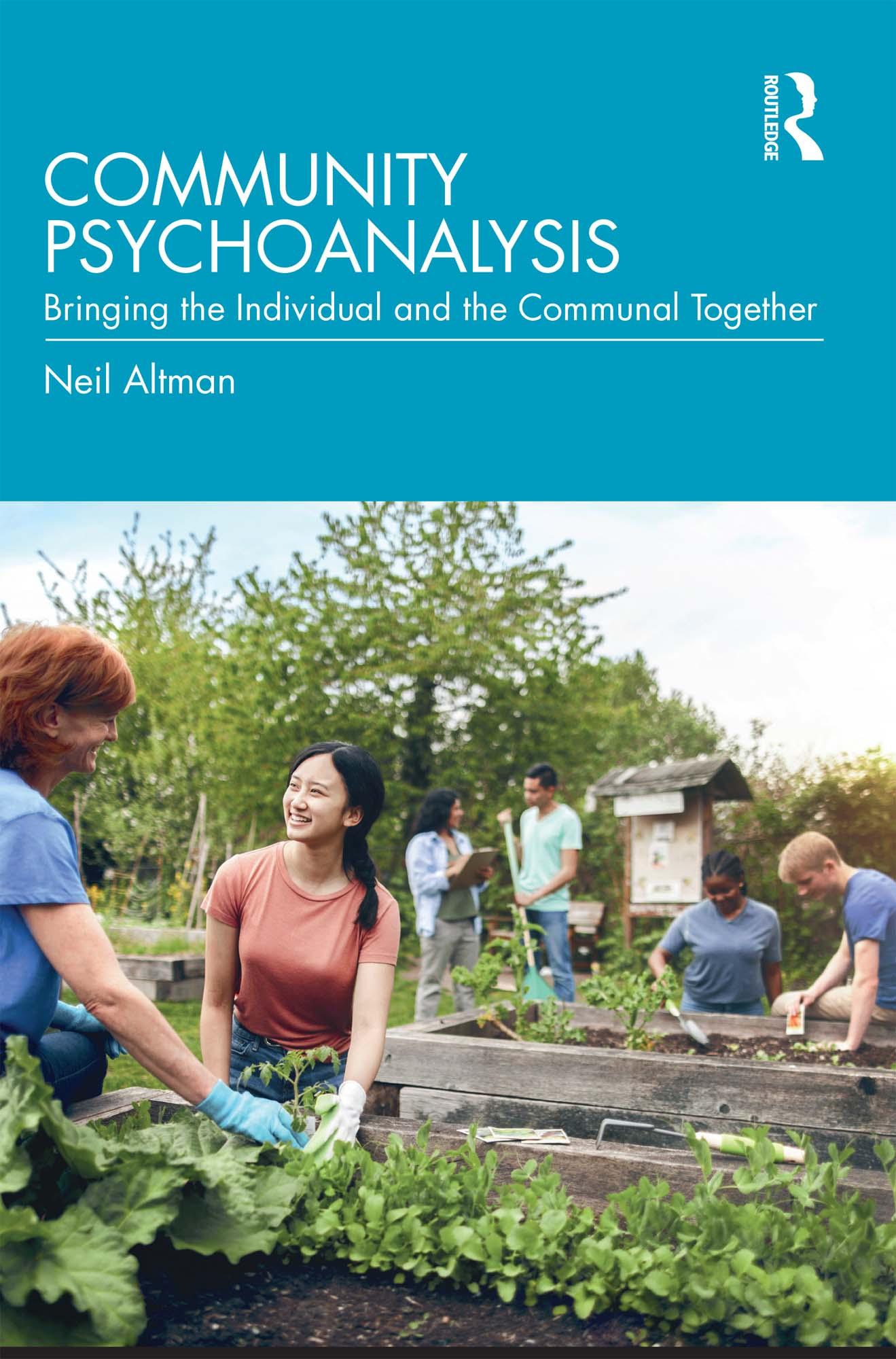
This book delves into the history, current status, and possible future directions of psychoanalysis in the community, outside the traditional consulting room.
The book begins by digging into the individualistic origins of psychoanalysis and the clear definitions around what counts as psychoanalysis and what does not, even to this day. It also explores what has remained constant even as psychoanalysis has splintered into many schools of thought. Rather than rejecting individualistic thinking entirely, Altman investigates how a mix of individual- and community-focused work has been effective in various international settings and the role that the arts can play in informing psychoanalytic practice. In pursuit of the new doors that open as psychoanalysis expands in relational directions, this book considers a range of clinical programs that have recently evolved in non-traditional contexts: in schools, in the streets, and in religious and spiritual communities. With access to new and non-traditional modes of understanding and intervention, new possibilities become thinkable.
With international examples of successful community work and drawing on Altman's extensive clinical experience, this is key reading for psychoanalysts and psychotherapists wanting to explore community practice.
Płać wygodnie kartą, Klarną, Apple Pay lub Google Pay. Nie jesteś zadowolony? Zawsze masz 14-dniową gwarancję zwrotu pieniędzy. Więcej przeczytasz w naszych warunkach. Masz pytania? Napisz do nas na hello@memmo.org.
Memmo ułatwia naukę – gdziekolwiek jesteś na świecie. U nas znajdziesz podręczniki i sprytne narzędzia do nauki w jednym miejscu: streszczenia, quizy, podcasty i fiszki. A do tego Ted, Twój kumpel do nauki, który odpowie na wszystko, co Cię nurtuje. Ponad 50 000 studentów już tu się uczy – stworzone, byś uczył się szybciej i mniej stresował.