
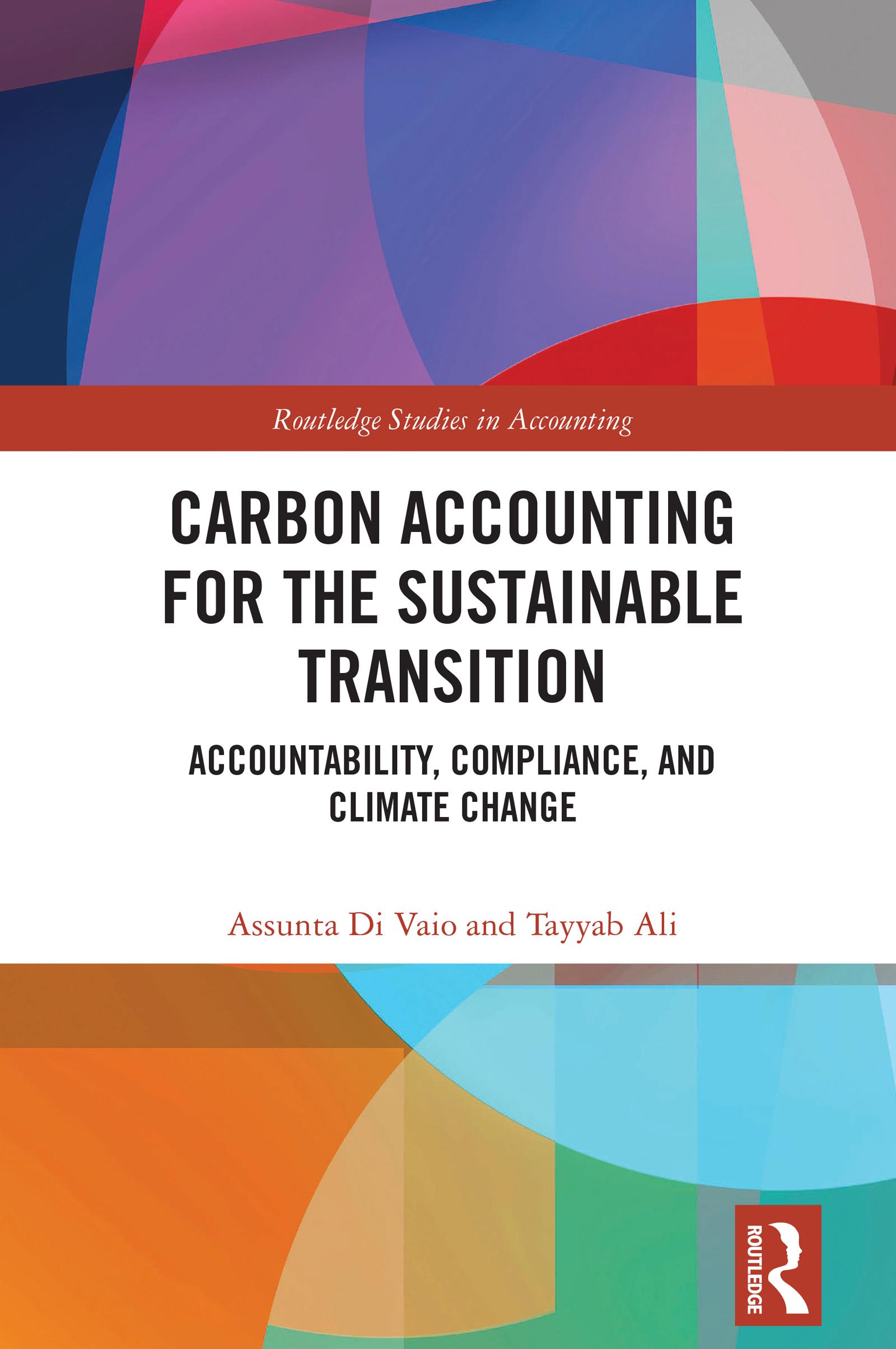
With the window to keep the 1.5-degree goal alive rapidly closing, it is now more crucial than ever for organizations to intensify the scope and pace of their actions. This book focuses on the existing gaps in the sustainability accounting research field for carbon matter. It addresses the decarbonization practices adopted by firms to achieve the sustainability transition, including the implementation of new technologies and sustainable practices, analyzing their impact from a socioeconomic and environmental perspective. This book provides a rigorous systematization of scientific literature and grey literature concerning the measurement and reporting systems for the carbon processes that firms are adopting to mitigate climate change.
The evolving regulatory landscape and the increasing institutional pressures underscore the responsibility of each actor, including firms, in making a concrete contribution to a sustainable future. The call for the actions to be taken aligns with the need for a solid framework to guide efforts toward achieving goals related to people, planet, prosperity, peace, and partnership. These efforts align with the United Nations 2030 Agenda, reflecting a global commitment to sustainable development across environmental and social dimensions.
Positioning firms as pivotal agents in climate mitigation, the book highlights the growing importance of integrating artificial intelligence into sustainability accounting and disclosure processes. It advances timely questions about how artificial intelligence can support ethical, transparent, and effective reporting while helping organizations strike a balance between profitability and environmental stewardship, an issue that remains central to current debates among scholars, practitioners, and corporate consultancy firms.
Assunta Di Vaio, Ph.D., is Professor of Business Administration at the University of Naples Parthenope, Italy.
Tayyab Ali has a Ph.D. in economics, statistics, and sustainability (Doctor Europaeus) from the University of Naples Parthenope, Italy.
Płać wygodnie kartą, Klarną, Apple Pay lub Google Pay. Nie jesteś zadowolony? Zawsze masz 14-dniową gwarancję zwrotu pieniędzy. Więcej przeczytasz w naszych warunkach. Masz pytania? Napisz do nas na hello@memmo.org.
Memmo ułatwia naukę – gdziekolwiek jesteś na świecie. U nas znajdziesz podręczniki i sprytne narzędzia do nauki w jednym miejscu: streszczenia, quizy, podcasty i fiszki. A do tego Ted, Twój kumpel do nauki, który odpowie na wszystko, co Cię nurtuje. Ponad 50 000 studentów już tu się uczy – stworzone, byś uczył się szybciej i mniej stresował.