
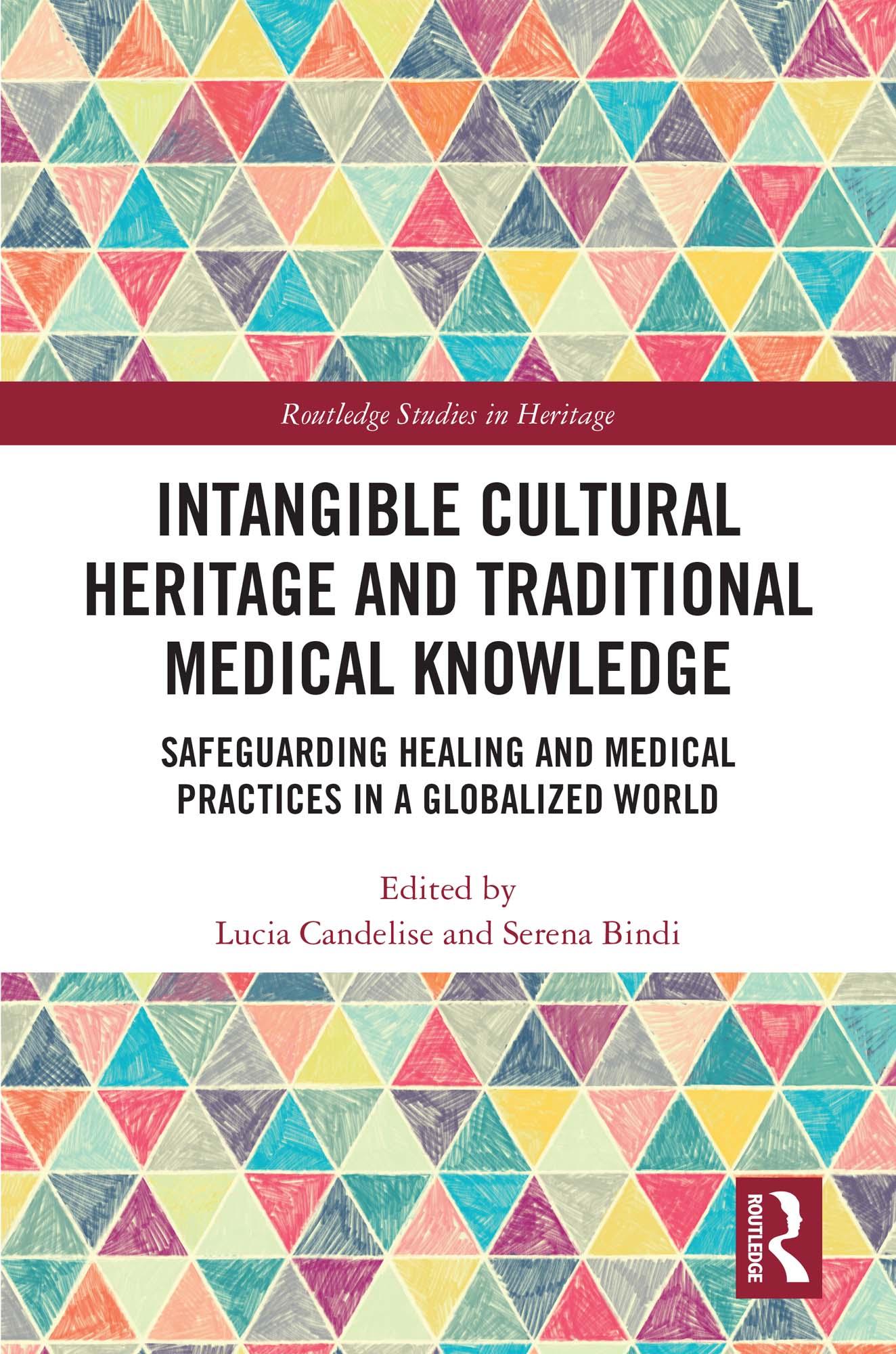
This compelling volume addresses key issues at the critical intersection of intangible cultural heritage and traditional medical practices, highlighting the urgent need for their preservation in an increasingly globalized world.
The chapters within this book explore key themes such as the paradox of authenticity versus rationalization in traditional healing, the political implications of heritage-making in diverse contexts — from India and China to Mexico and Chile — and the role of local communities in asserting their medical knowledge as part of their cultural identity. Contributions from experts in anthropology, political science, law, and history provide a rich, multidisciplinary perspective on how these practices are integrated into contemporary heritage processes. By examining case studies that illustrate both the challenges and successes of safeguarding traditional medical knowledge, this book offers original insights into the evolving concept of intangible cultural heritage. It emphasizes the significance of these practices in fostering cultural resilience and identity, making it a vital addition to the discourse on heritage studies and global health. This work not only enriches our understanding of traditional medical practices but also advocates for their recognition and protection in a rapidly changing world.
This book serves as an essential resource for scholars, practitioners, and policymakers interested in the dynamics of intangible cultural heritage and traditional medical practices.
Płać wygodnie kartą, Klarną, Apple Pay lub Google Pay. Nie jesteś zadowolony? Zawsze masz 14-dniową gwarancję zwrotu pieniędzy. Więcej przeczytasz w naszych warunkach. Masz pytania? Napisz do nas na hello@memmo.org.
Memmo ułatwia naukę – gdziekolwiek jesteś na świecie. U nas znajdziesz podręczniki i sprytne narzędzia do nauki w jednym miejscu: streszczenia, quizy, podcasty i fiszki. A do tego Ted, Twój kumpel do nauki, który odpowie na wszystko, co Cię nurtuje. Ponad 50 000 studentów już tu się uczy – stworzone, byś uczył się szybciej i mniej stresował.