
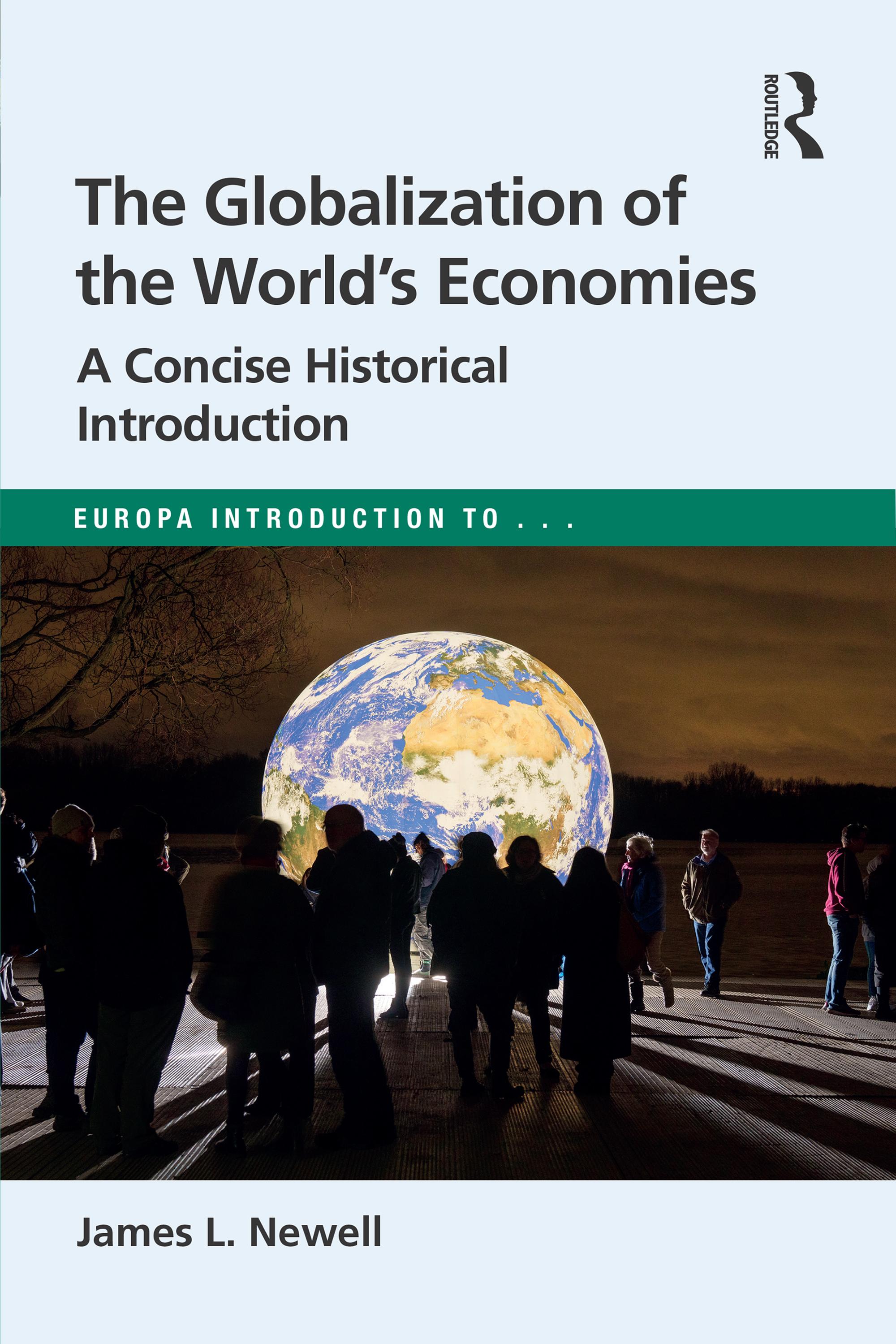
The world is standing at a crossroads. On the one hand, economic globalization has brought unprecedented levels of prosperity. It has lifted millions out of poverty; it has massively enhanced education and skills development; and it has increased the potential for the exercise of power from below, for the complexity of global supply chains renders them highly vulnerable to disruption by the protests of small groups of people in far-flung places. On the other hand, neoliberal globalization has brought rising inequality; the emergence, in the developed world, of the so-called left behind; refugee crises; and increasingly problems related to health and the climate, which the institutions of global governance have struggled to deal with, thus undermining their authority and fuelling the growth of populist nationalism.
In order to get a sense of whether economic globalization will in future take a positive or a negative path, it is essential to look at the past. It is only through gaining an understanding of how we have come to be where we are that we will be better placed to see where we are going and, most importantly, to take the action needed to enable us to face the future with optimism rather than with fear.
This volume provides a comprehensive overview in historical perspective of the development and current state of globalization, offering a wealth of information to students, professionals and researchers alike.
Płać wygodnie kartą, Klarną, Apple Pay lub Google Pay. Nie jesteś zadowolony? Zawsze masz 14-dniową gwarancję zwrotu pieniędzy. Więcej przeczytasz w naszych warunkach. Masz pytania? Napisz do nas na hello@memmo.org.
Memmo ułatwia naukę – gdziekolwiek jesteś na świecie. U nas znajdziesz podręczniki i sprytne narzędzia do nauki w jednym miejscu: streszczenia, quizy, podcasty i fiszki. A do tego Ted, Twój kumpel do nauki, który odpowie na wszystko, co Cię nurtuje. Ponad 50 000 studentów już tu się uczy – stworzone, byś uczył się szybciej i mniej stresował.