
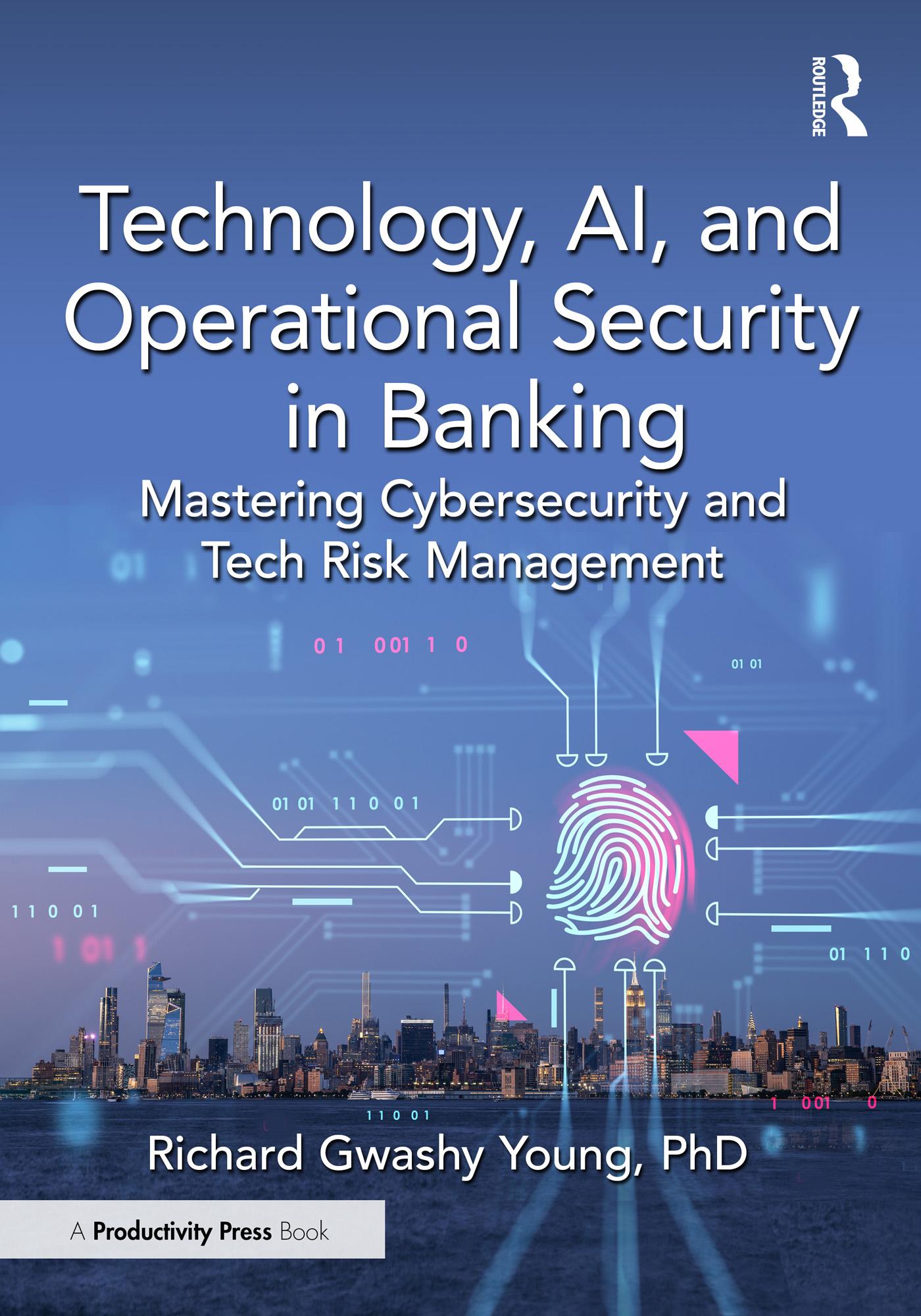
In today’s rapidly evolving digital landscape, banks are not only financial institutions but also technology-driven enterprises. As banking operations migrate to digital platforms, cyber threats targeting financial institutions have become more sophisticated and relentless. The consequences of cyberattacks—ranging from financial loss to reputational damage—can be catastrophic, making cybersecurity and technology risk management fundamental pillars of modern banking.
The financial sector is one of the most highly regulated industries globally, and for good reason, it holds the trust of billions of individuals and businesses. However, with increased digitization— through mobile banking, cloud computing, open banking application programming interfaces (APIs), and artificial intelligence (AI)-driven services—comes an expanded attack surface. Incidents such as ransomware attacks, data breaches, and sophisticated fraud schemes have demonstrated that a proactive approach to cybersecurity is not just optional—it is imperative.
This 2-book collection is designed to provide banking professionals, technology leaders, and cybersecurity practitioners with comprehensive insights into building robust cybersecurity frameworks and managing technology risks effectively. This book, Technology, AI, and Operational Security in Banking: Mastering Cybersecurity and Tech Risk Management explores the latest technologies driving cybersecurity, including artificial intelligence (AI), Zero Trust security models, and digital transformation risks, along with practical incident response strategies. Drawing on the authors’ experience as a cybersecurity practitioner, technology risk leader, and educator, he has crafted this series to bridge the gap between theoretical frameworks and practical applications in banking security.
The second book is Cyber Resilience in Banking: A Practical Guide to Governance, Risk, and Compliance.
Płać wygodnie kartą, Klarną, Apple Pay lub Google Pay. Nie jesteś zadowolony? Zawsze masz 14-dniową gwarancję zwrotu pieniędzy. Więcej przeczytasz w naszych warunkach. Masz pytania? Napisz do nas na hello@memmo.org.
Memmo ułatwia naukę – gdziekolwiek jesteś na świecie. U nas znajdziesz podręczniki i sprytne narzędzia do nauki w jednym miejscu: streszczenia, quizy, podcasty i fiszki. A do tego Ted, Twój kumpel do nauki, który odpowie na wszystko, co Cię nurtuje. Ponad 50 000 studentów już tu się uczy – stworzone, byś uczył się szybciej i mniej stresował.