
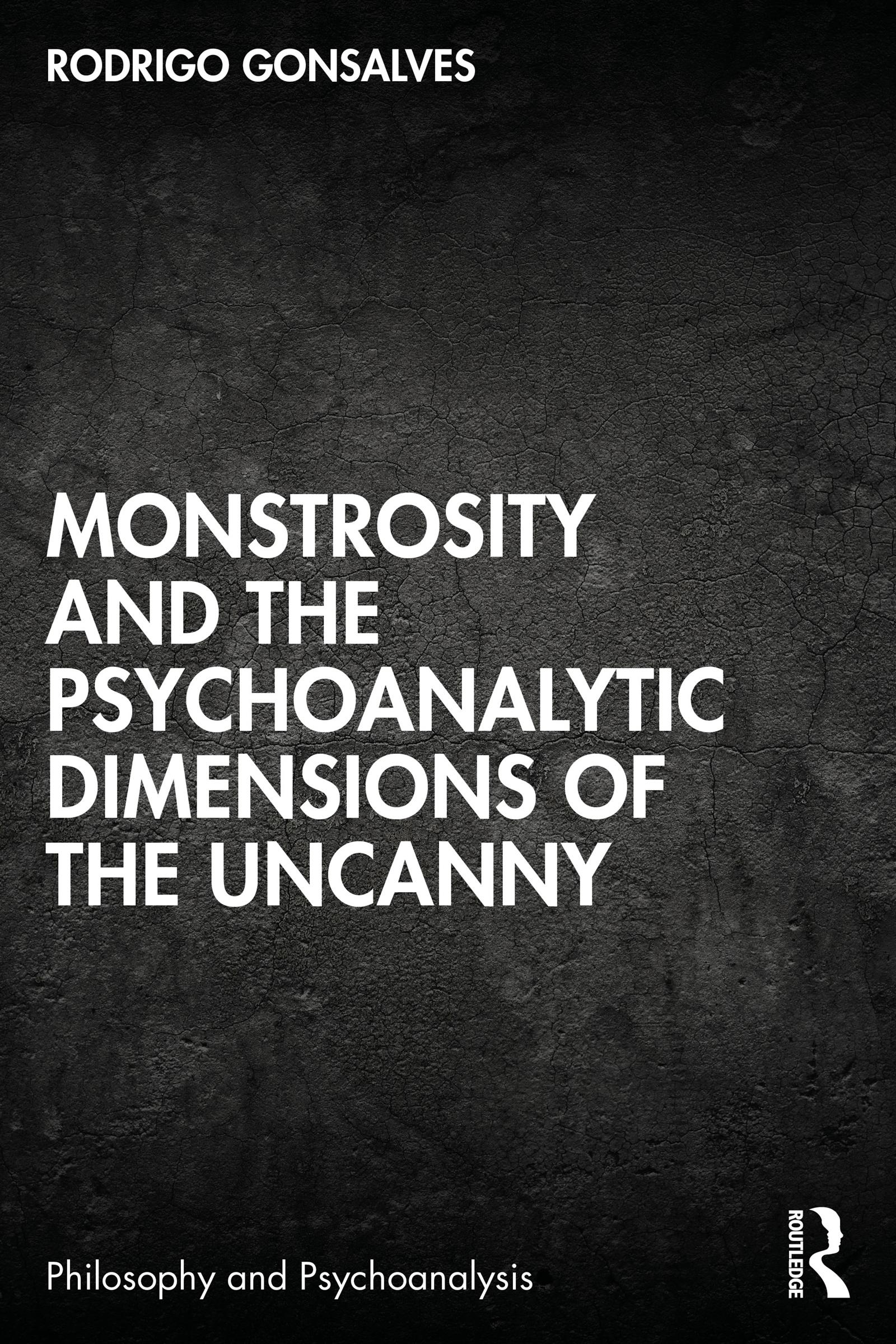
This accessible and meticulously researched book is a philosophical study dedicated to the psychoanalytic dimension of the uncanny and the discussions on monstrosity as fundamental concepts to address contemporary experiences of anguish, desire, suffering and alienation.
Examining the uncanny in Freud and Lacan, the book explores its emergence through psychoanalysis and aesthetics, as well as its meta-psychological implications. Chapters explore the history and connection between the uncanny and monstrosity in both philosophy and psychoanalysis, following on from the construction of Freud's 'The Uncanny' in 1919, and focusing on these concepts through different perspectives, such as Marxism. Finally, the book argues towards the importance of a monstrous grammar (re)introduced to psychoanalysis, in order to sustain a specific clinical listening of our times.
Offering new insights and arguments on these fascinating concepts, this book will be of interest to philosophers, psychoanalysts and psychologists, as well as also appealing to professionals and students in the worlds of arts, film and history.
Płać wygodnie kartą, Klarną, Apple Pay lub Google Pay. Nie jesteś zadowolony? Zawsze masz 14-dniową gwarancję zwrotu pieniędzy. Więcej przeczytasz w naszych warunkach. Masz pytania? Napisz do nas na hello@memmo.org.
Memmo ułatwia naukę – gdziekolwiek jesteś na świecie. U nas znajdziesz podręczniki i sprytne narzędzia do nauki w jednym miejscu: streszczenia, quizy, podcasty i fiszki. A do tego Ted, Twój kumpel do nauki, który odpowie na wszystko, co Cię nurtuje. Ponad 50 000 studentów już tu się uczy – stworzone, byś uczył się szybciej i mniej stresował.