
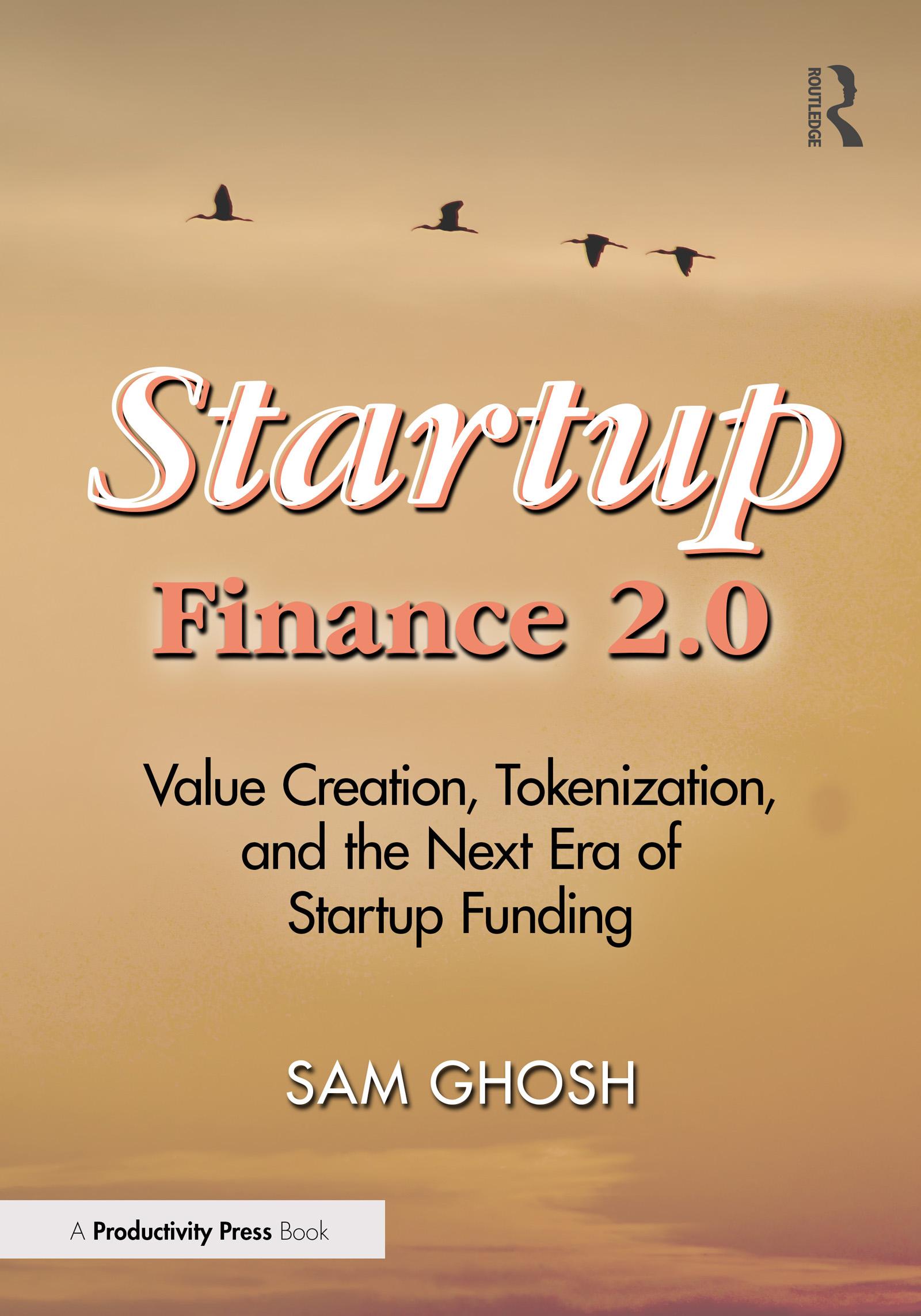
Traditional corporate financial theories and tools are based on matured companies with the assumption that the companies are going concerns.
"Going Concern" refers to the assumption that a company will continue to operate indefinitely, with no intention or necessity of liquidation or cessation of operations in the foreseeable future. The problem is that the "Going Concern" assumption does not hold for startups due to the inherent uncertainty associated with startups. Traditional financial education and resources, usually meant for analysts and accountants, aren’t ideal for entrepreneurs. They focus on analyzing past data from established businesses, not on making forward-looking decisions in the uncertain and highly dynamic environment of startups. Entrepreneurs also often struggle to prioritize the allocation of resources between seemingly urgent matters and matters that are important for the long-term value of the startup. Thus, this book takes a value-oriented approach to startup finance.
The book is designed to build the financial intuition that an entrepreneur needs to prioritize matters vital for the long-term value of the company, raise capital, and allocate capital for value maximization. It also looks at finance from a value creation point of view and covers specific methods especially suited for startups – from investment assessment to valuation to fundraising to managing day-to-day finances.
Płać wygodnie kartą, Klarną, Apple Pay lub Google Pay. Nie jesteś zadowolony? Zawsze masz 14-dniową gwarancję zwrotu pieniędzy. Więcej przeczytasz w naszych warunkach. Masz pytania? Napisz do nas na hello@memmo.org.
Memmo ułatwia naukę – gdziekolwiek jesteś na świecie. U nas znajdziesz podręczniki i sprytne narzędzia do nauki w jednym miejscu: streszczenia, quizy, podcasty i fiszki. A do tego Ted, Twój kumpel do nauki, który odpowie na wszystko, co Cię nurtuje. Ponad 50 000 studentów już tu się uczy – stworzone, byś uczył się szybciej i mniej stresował.