
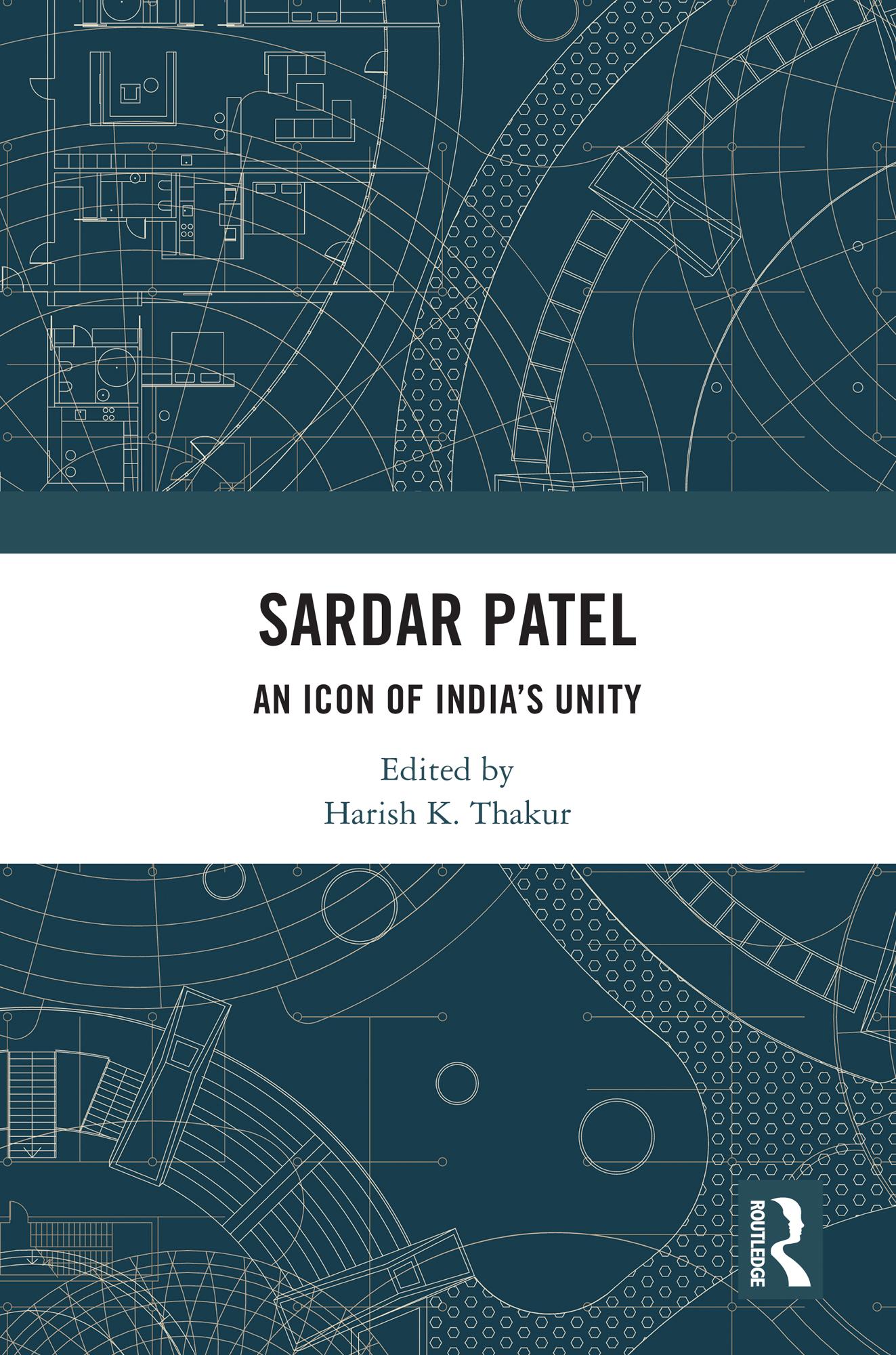
The political landscape of India has undergone significant transformation in the twenty-first century. With the rise of the Bharatiya Janata Party as a strong nationalist force, historical figures such as Sardar Patel, Vinayak Damodar Savarkar, and Deendayal Upadhyaya have been projected as key heroes of the freedom struggle alongside others. This has led to a redefinition and reprioritization of the leadership profile of the Indian independence movement.
This book tries to understand Sardar Patel not from the traditional approach of viewing him just as an integrator of princely states or Iron Man but investigate the different dimensions of Patel’s thinking towards India. It discusses his ideas on secularism and minorities, status of women, ideas on cleanliness and environment, scheduled castes, Indian administration, farmers and agricultural rights and land reforms, India’s foreign policy and relations with its neighbours especially China and the greater world powers.
First of its kind, this book will be of interest to scholars and researchers of Indian politics, Indian history, Nationalist movement, political sociology, and South Asian history.
Płać wygodnie kartą, Klarną, Apple Pay lub Google Pay. Nie jesteś zadowolony? Zawsze masz 14-dniową gwarancję zwrotu pieniędzy. Więcej przeczytasz w naszych warunkach. Masz pytania? Napisz do nas na hello@memmo.org.
Memmo ułatwia naukę – gdziekolwiek jesteś na świecie. U nas znajdziesz podręczniki i sprytne narzędzia do nauki w jednym miejscu: streszczenia, quizy, podcasty i fiszki. A do tego Ted, Twój kumpel do nauki, który odpowie na wszystko, co Cię nurtuje. Ponad 50 000 studentów już tu się uczy – stworzone, byś uczył się szybciej i mniej stresował.