
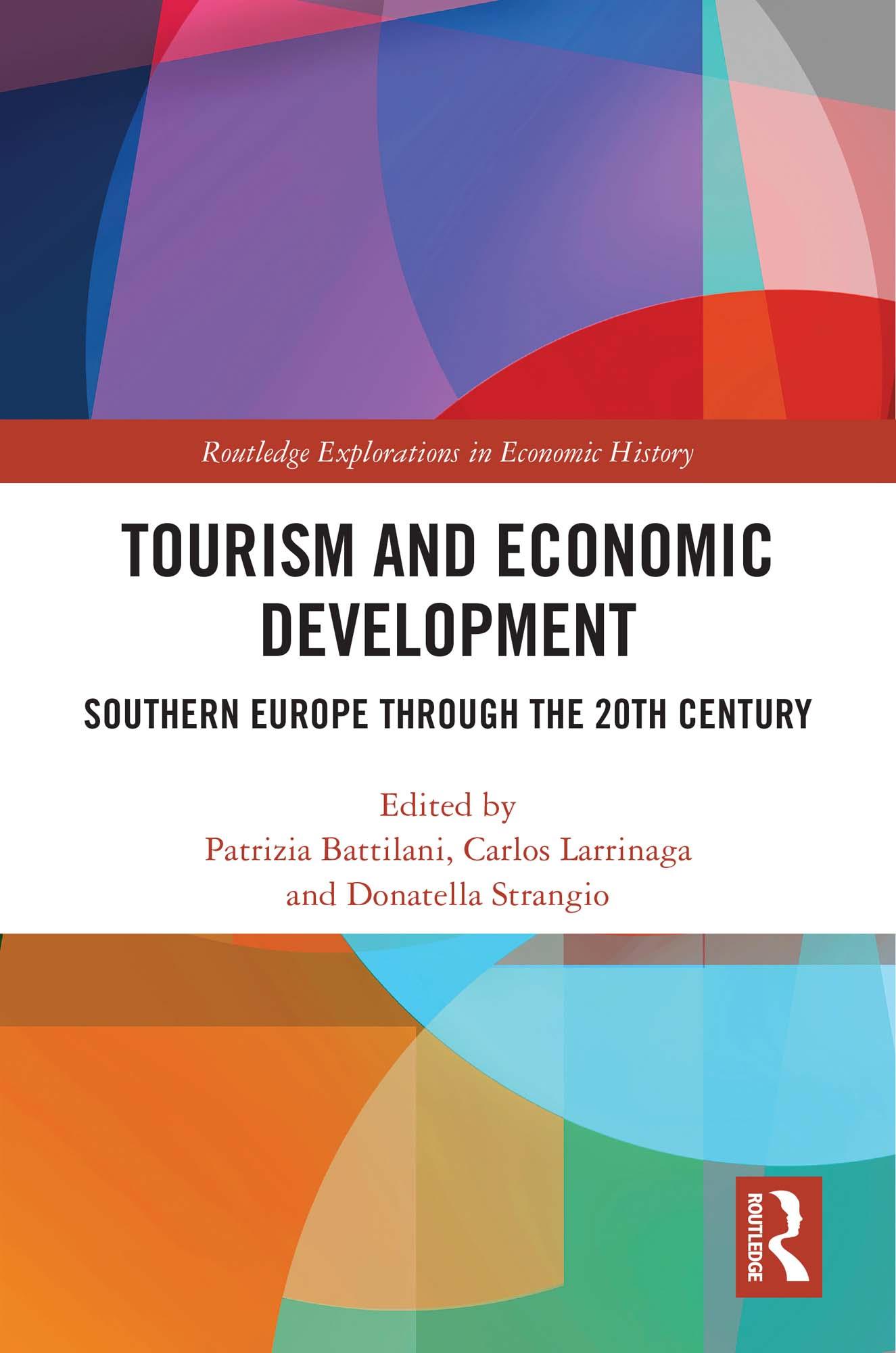
By the end of the 19th century, there were already some countries in southern Europe whose economies benefitted from the arrival of tourists. But it was during the 20th century, and particularly after the Second World War, that the phenomenon of mass tourism arrived and dramatically impacted the economies of southern Europe.
This edited volume analyses when, how, and why tourism gained an important role in the economy and social life of Southern Europe. It contributes to a reassessment of mass tourism focusing on two main dimensions: first, the impact on the economic development of the different southern European countries and second, the building of a new sociality focusing on the rituals and values of middle and the working class. This book adopts a comparative approach that opens with a comparison of European countries in terms of international market share and tourist products. The other chapters focus on national case studies that allow the reader to better understand not only the similarities and differences between some countries and others, but also the phenomenon as a whole. Since tourism is a transnational phenomenon, this book makes an important contribution to not only the study of tourism development and its economy but also social, impact in Southern Europe.
The book will be of great interest to readers of economic history, business history, tourism history, and European history more broadly.
Płać wygodnie kartą, Klarną, Apple Pay lub Google Pay. Nie jesteś zadowolony? Zawsze masz 14-dniową gwarancję zwrotu pieniędzy. Więcej przeczytasz w naszych warunkach. Masz pytania? Napisz do nas na hello@memmo.org.
Memmo ułatwia naukę – gdziekolwiek jesteś na świecie. U nas znajdziesz podręczniki i sprytne narzędzia do nauki w jednym miejscu: streszczenia, quizy, podcasty i fiszki. A do tego Ted, Twój kumpel do nauki, który odpowie na wszystko, co Cię nurtuje. Ponad 50 000 studentów już tu się uczy – stworzone, byś uczył się szybciej i mniej stresował.