
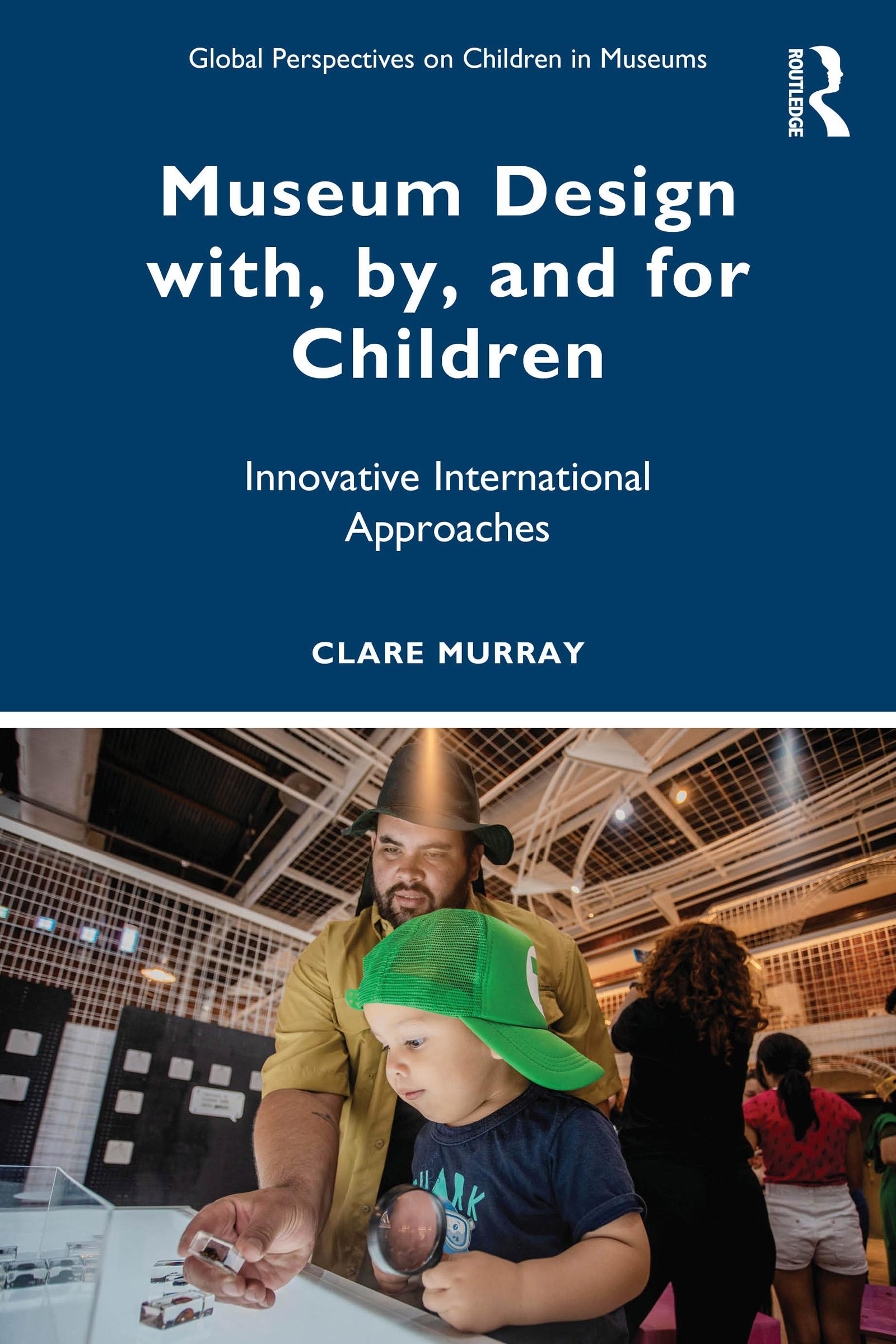
Museum Design with, by, and for Children makes an important contribution to contemporary museum theory and practice by focusing on the role and rights of children in museums from a new angle: design.
At a time when museum practitioners are challenged to work within their particular buildings and contexts to help the children in their communities feel welcome, invited, and involved, this book presents alternative approaches that are being implemented across the world and pushing the museum field further in its commitment to children, starting with design. This book provides inspirational insights into large- and small-scale ways that children can participate in museum design and therefore exercise their human rights, gain agency, develop their sense of belonging, and form part of museum communities. Drawing on case studies from Argentina, Australia, England, Italy, Mexico, and Paraguay, and theoretical insights from the Reggio Emilia Approach, constructivism, designerly learning, laboratory-style design, and the work of Paulo Freire and Francesco Tonucci, this book explores the extent to which museums’ design processes are child-centered and how children’s material culture can be reflected in the museum design work that will ultimately shape their own early learning experiences. This book explores museum design as a process that involves key stakeholders in procedural planning and associated tasks and discussions, such as those regarding color, light, shape, form, space, and building materials.
Museum Design with, by, and for Children will be valuable for museum practitioners, students, and researchers with an interest in children’s experiences in museums, particularly how children can be empowered as active participants with rights to the museum.
Płać wygodnie kartą, Klarną, Apple Pay lub Google Pay. Nie jesteś zadowolony? Zawsze masz 14-dniową gwarancję zwrotu pieniędzy. Więcej przeczytasz w naszych warunkach. Masz pytania? Napisz do nas na hello@memmo.org.
Memmo ułatwia naukę – gdziekolwiek jesteś na świecie. U nas znajdziesz podręczniki i sprytne narzędzia do nauki w jednym miejscu: streszczenia, quizy, podcasty i fiszki. A do tego Ted, Twój kumpel do nauki, który odpowie na wszystko, co Cię nurtuje. Ponad 50 000 studentów już tu się uczy – stworzone, byś uczył się szybciej i mniej stresował.