
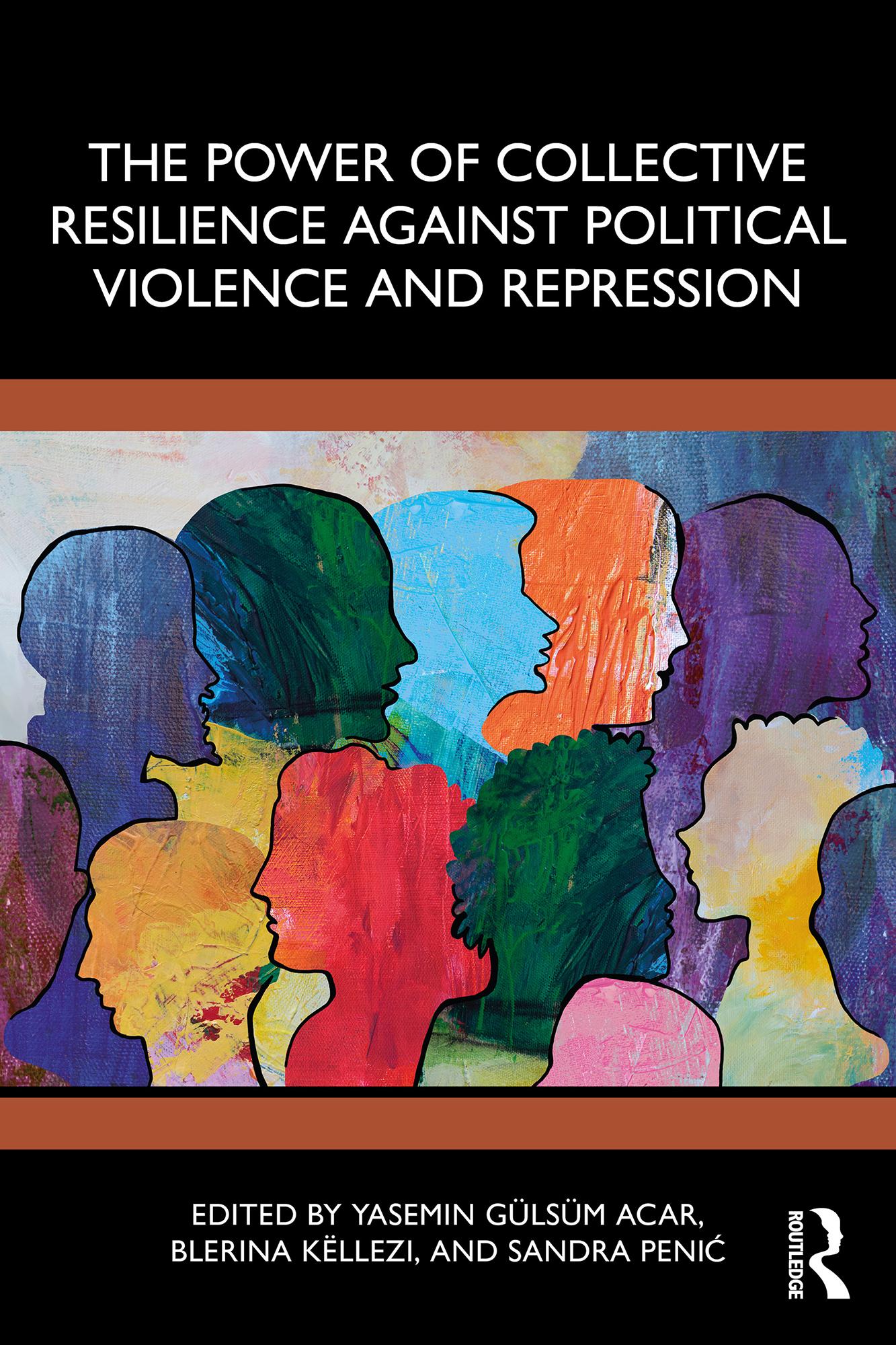
This book outlines the importance of collective resilience for civilians in the face of war and political violence, examining how people develop social resources to confront adversity and foster meaningful change.
Drawing on novel research from a range of diverse contexts, the book explores a nuanced picture of how political violence can lead to increased social cooperation and action within communities, as well as the well-documented negative dynamics. It brings together research into the collective resilience of civilians in the context of political violence and repression in three fields: psychological well-being, resistance and collective action, and reconciliation and peacebuilding. Chapters describe the underlying social-psychological processes behind collective resilience and discuss the limits and boundary conditions in the emergence of resilience. The contributors illustrate how communities leverage solidarity and shared identity to challenge divisive violence, pursue justive, and build sustainable peace, empasizing the importance of social processes in transforming harm into pathways for recovery, empowerment, and resilience.
The Power of Collective Resilience Against Political Violence and Repression will be highly relevant reading for postgraduate students and academics in the fields of social and political psychology, and those researching intergroup relations, social change, peace, and conflict. It will also be of interest to activists interested in collective action and resilience.
Płać wygodnie kartą, Klarną, Apple Pay lub Google Pay. Nie jesteś zadowolony? Zawsze masz 14-dniową gwarancję zwrotu pieniędzy. Więcej przeczytasz w naszych warunkach. Masz pytania? Napisz do nas na hello@memmo.org.
Memmo ułatwia naukę – gdziekolwiek jesteś na świecie. U nas znajdziesz podręczniki i sprytne narzędzia do nauki w jednym miejscu: streszczenia, quizy, podcasty i fiszki. A do tego Ted, Twój kumpel do nauki, który odpowie na wszystko, co Cię nurtuje. Ponad 50 000 studentów już tu się uczy – stworzone, byś uczył się szybciej i mniej stresował.