
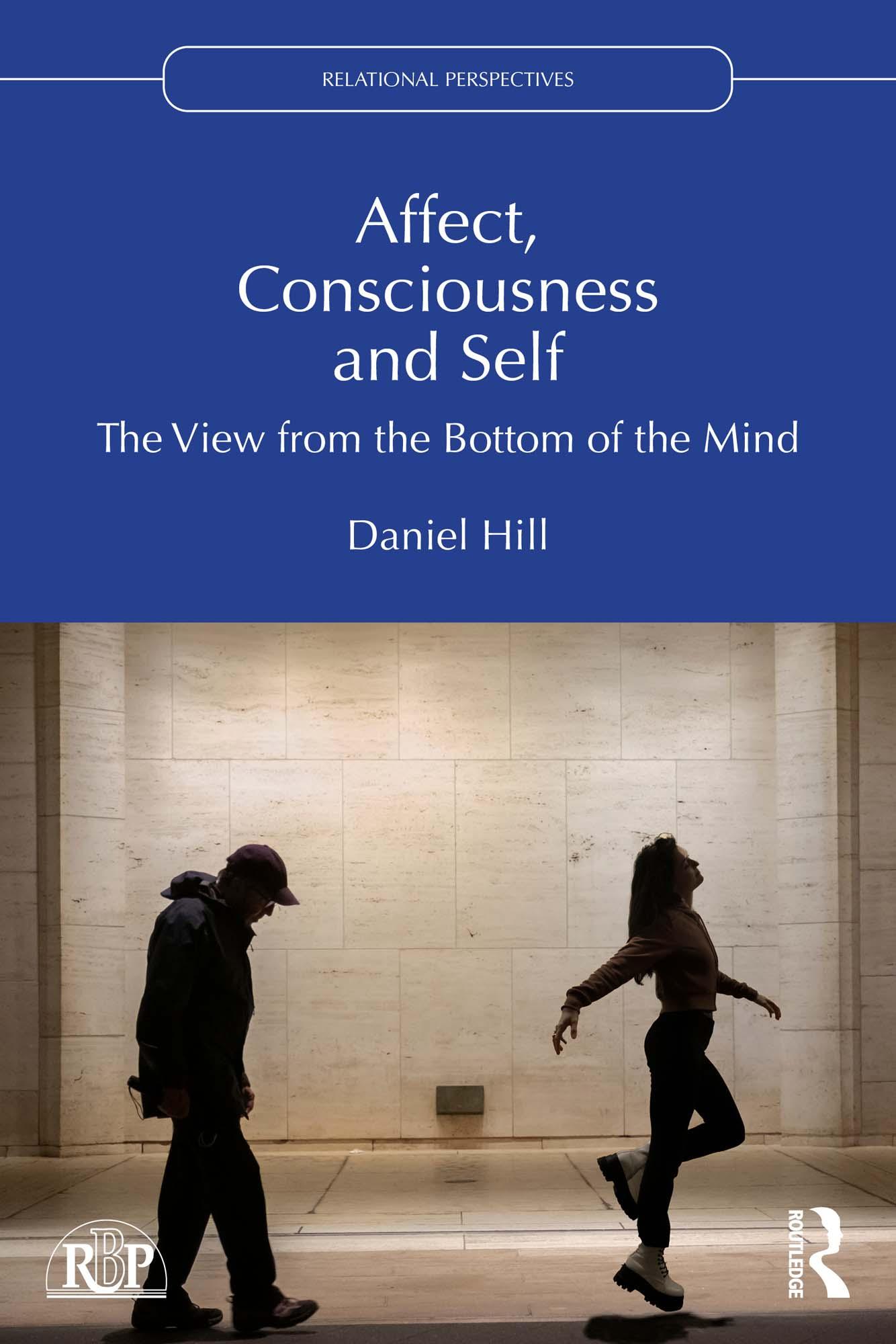
This book argues that mental life is organized by and around affect. It proposes a clinical model for understanding how affect influences states of consciousness and self. It illustrates how, from moment to moment, affect determines the world we know, how we are disposed to being in it, and our capacity to function in it.
After introducing consciousness and self as features of mind that have posed daunting problems for philosophy, neurology, and psychoanalysis, subsequent chapters propose a model for understanding them at the clinical level. Initial chapters are devoted to the influence of affect on the structure and dynamics of normal waking consciousness and on the self’s capacity to act agentically, to relate intersubjectively, and to develop itself. Final chapters discuss disordered states of consciousness and impeded self‑functioning, due to affect dysregulation and what all this looks like in patients with preoccupied and avoidant attachment patterns.
Drawing on psychoanalysis, attachment theory, interpersonal and affective neurobiology, and traumatology, this book offers a fresh perspective on the importance of affect for psychoanalysts and psychodynamic psychotherapists.
Płać wygodnie kartą, Klarną, Apple Pay lub Google Pay. Nie jesteś zadowolony? Zawsze masz 14-dniową gwarancję zwrotu pieniędzy. Więcej przeczytasz w naszych warunkach. Masz pytania? Napisz do nas na hello@memmo.org.
Memmo ułatwia naukę – gdziekolwiek jesteś na świecie. U nas znajdziesz podręczniki i sprytne narzędzia do nauki w jednym miejscu: streszczenia, quizy, podcasty i fiszki. A do tego Ted, Twój kumpel do nauki, który odpowie na wszystko, co Cię nurtuje. Ponad 50 000 studentów już tu się uczy – stworzone, byś uczył się szybciej i mniej stresował.