
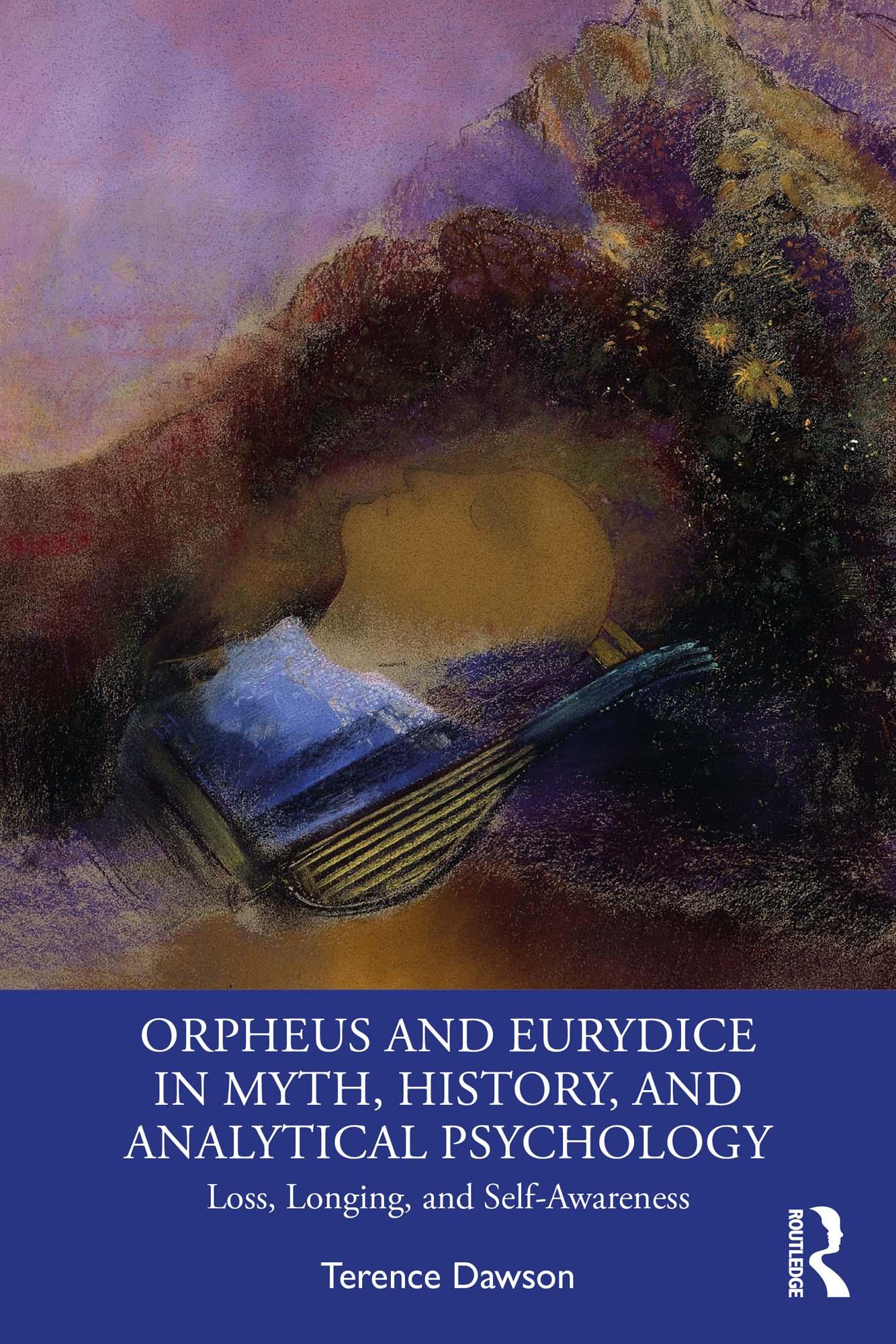
This fascinating study shows how the minor Greek story of Orpheus and Eurydice came to have a more persistent and varied impact on Western culture than any other Greek myth. In the last 2,000 years, it has captivated the imagination of successive ages. Writers and other artists have turned to it to explore unexpectedly diverse concerns, from classical philosophy, through Christian values, to challenges involving individual psychology and societal well-being.
Dawson’s study of the mythic imagination traces how these concerns unfold in poems, plays, novels, films, paintings, operas, ballets, and sculptures. It charts a history of responses to the experience of loss and longing and the need to grow in self-awareness. And it illustrates how responses to this myth anticipate many of the claims associated with analytical psychology.
This book will be of interest to analysts, scholars, and students working with Jung’s ideas, and to all those interested in adaptations of myth and the implications they harbour.
Płać wygodnie kartą, Klarną, Apple Pay lub Google Pay. Nie jesteś zadowolony? Zawsze masz 14-dniową gwarancję zwrotu pieniędzy. Więcej przeczytasz w naszych warunkach. Masz pytania? Napisz do nas na hello@memmo.org.
Memmo ułatwia naukę – gdziekolwiek jesteś na świecie. U nas znajdziesz podręczniki i sprytne narzędzia do nauki w jednym miejscu: streszczenia, quizy, podcasty i fiszki. A do tego Ted, Twój kumpel do nauki, który odpowie na wszystko, co Cię nurtuje. Ponad 50 000 studentów już tu się uczy – stworzone, byś uczył się szybciej i mniej stresował.