
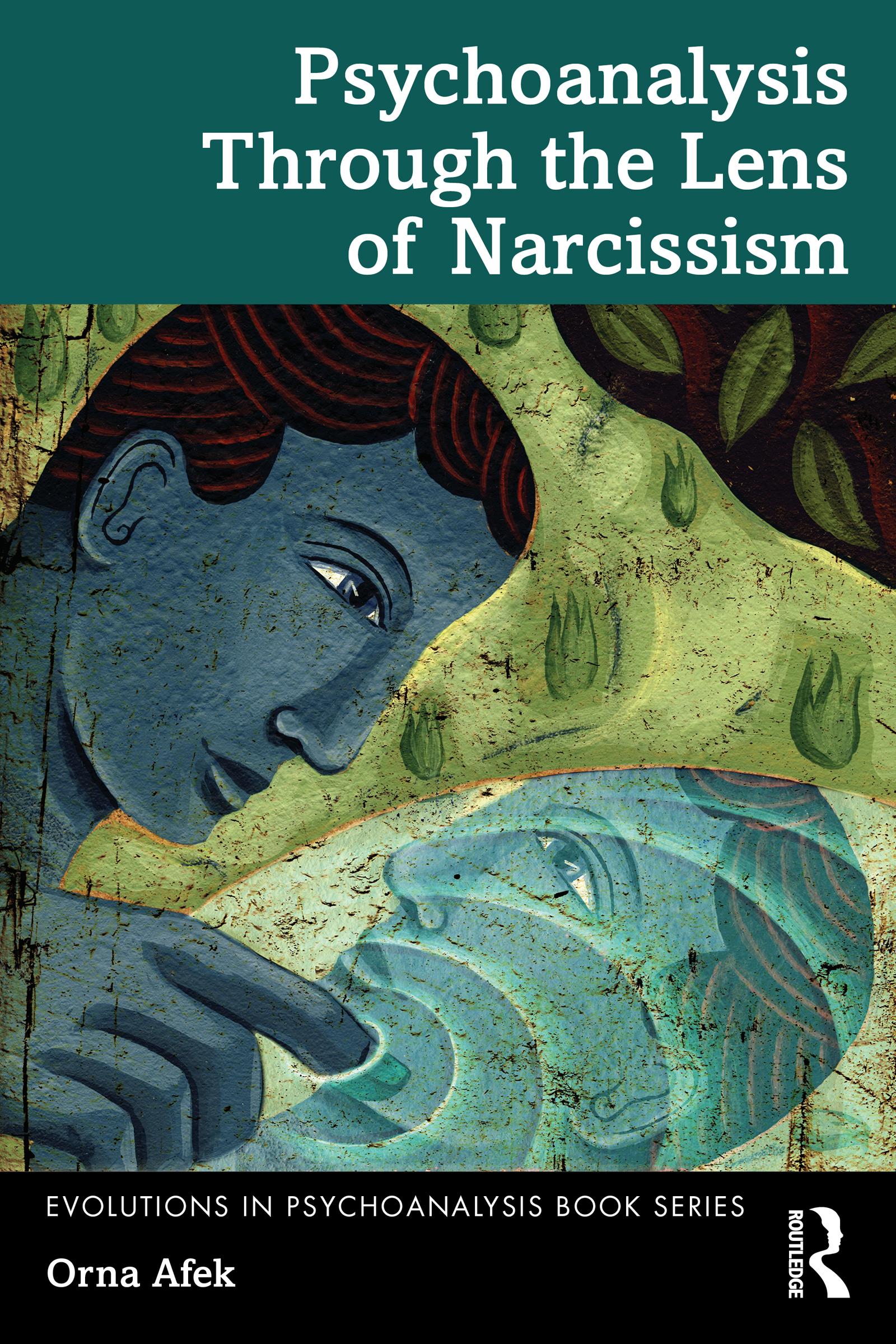
This critical historical review of psychoanalytic theory and practice reflects on the place of psychoanalysis in contemporary Western culture in light of its preoccupation with the self and associated failure to emphasize the role of close interpersonal relationships as central to the human psyche.
The elusive presence of the separate other in psychoanalytic theory is discussed vis-à-vis the life stories of Freud, Winnicott, and Kohut. The underlying narcissistic bias in the theories of these three pioneers of psychoanalysis – classical Freudian drive theory, Winnicott’s theory of the parent-infant relationship, and Kohut's theory of self-psychology – is traced back to their narcissistic personality traits, which impacted their views and perceptions and obscured the fundamental centrality of interpersonal relationships per se in the inner world of the individual, with far-reaching implications for psychoanalytic thought and practice.
With fresh insights on the subjectivity of personality theories, the core features of the narcissistic personality, and the implications of the narcissistic position for theory and clinical practice, this book will interest psychotherapists, psychoanalysts, and other professionals in the field, specifically those interested in personality diagnosis, narcissism, attachment theory, and psychotherapeutic approaches and psychoanalytic theories in general.
Płać wygodnie kartą, Klarną, Apple Pay lub Google Pay. Nie jesteś zadowolony? Zawsze masz 14-dniową gwarancję zwrotu pieniędzy. Więcej przeczytasz w naszych warunkach. Masz pytania? Napisz do nas na hello@memmo.org.
Memmo ułatwia naukę – gdziekolwiek jesteś na świecie. U nas znajdziesz podręczniki i sprytne narzędzia do nauki w jednym miejscu: streszczenia, quizy, podcasty i fiszki. A do tego Ted, Twój kumpel do nauki, który odpowie na wszystko, co Cię nurtuje. Ponad 50 000 studentów już tu się uczy – stworzone, byś uczył się szybciej i mniej stresował.