
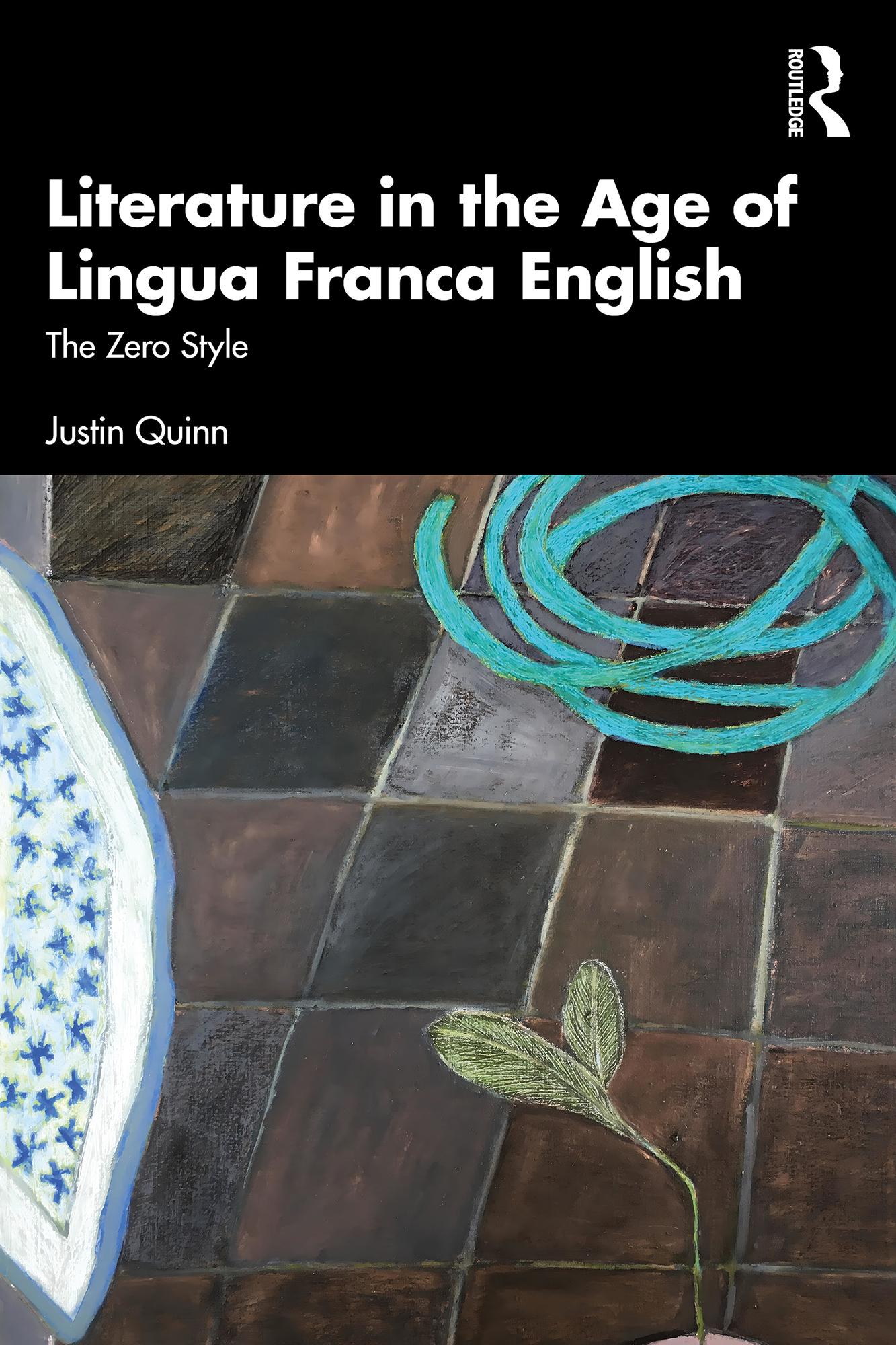
The English language is now a lingua franca spoken by about two billion people. This insightful study considers how a "bridge language" affects world literature by analyzing what it is, how it works, what are its themes, what it means for canons, and how it is mediated.
Cultural criticism often employs perspectives of race, citizenship, and colonialism, as well as considerations of scale (archipelagic, planetary), form (analogies between the literary and the social), and technologies (as they inflect artifacts). These approaches help rethink the new dynamics of anglophone literature, but they have often overlooked one of the basic elements of literature – the language itself. Literatures in English vernaculars have flourished, and Justin Quinn shows that writers are also creating a new idiom in English that is not fixed to a particular locale or community. While sentences may become simpler, the vocabulary range narrower, and rich cultural references lost, Quinn reveals how much this new form of writing gains. He explores the work of a wide range of authors, including Daisy Hildyard, Kim Stanley Robinson, Bryan Washington, Yiyun Li, and Terrance Hayes.
Literature in the Age of Lingua Franca English: The Zero Style is an innovative and illuminating resource for students and scholars of global anglophone literature, comparative literature, and cultural studies.
Płać wygodnie kartą, Klarną, Apple Pay lub Google Pay. Nie jesteś zadowolony? Zawsze masz 14-dniową gwarancję zwrotu pieniędzy. Więcej przeczytasz w naszych warunkach. Masz pytania? Napisz do nas na hello@memmo.org.
Memmo ułatwia naukę – gdziekolwiek jesteś na świecie. U nas znajdziesz podręczniki i sprytne narzędzia do nauki w jednym miejscu: streszczenia, quizy, podcasty i fiszki. A do tego Ted, Twój kumpel do nauki, który odpowie na wszystko, co Cię nurtuje. Ponad 50 000 studentów już tu się uczy – stworzone, byś uczył się szybciej i mniej stresował.