
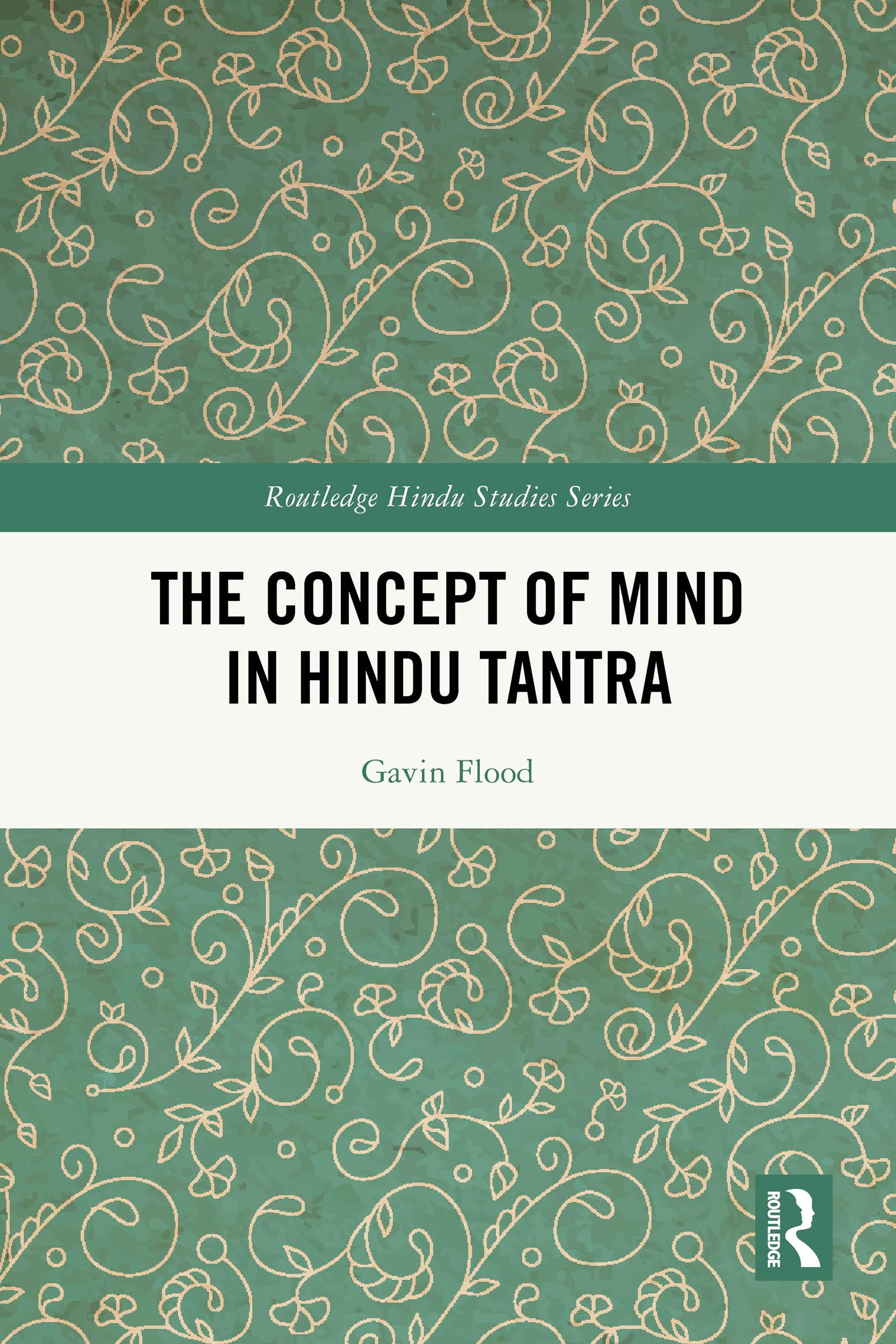
This book presents an account of the concept of mind in Hindu Tantra through a study of religious and philosophical texts in the medieval period.
Offering an understanding on how the mind is conceptualized both as that which keeps a person bound to the cycle of reincarnation and as having transformative potential in allowing a person to achieve liberation or salvation, this book examines mostly previously untranslated sources. It shows how there are different understandings of the mind that relate to different ideas of redemption. The main tantric tradition, the Śaiva Siddhānta, adopts a model of mind from Yoga in which the wandering mind keeps us trapped, whereas the nondualist Śaiva tradition, sometimes called ‘Kashmir’ Śaivism, sees the mind as inherently pure and free. The book traces a history of the concept of mind from early sources, especially Buddhism, through to the tantric medieval period, and ending with the eighteenth century. The author shows how the concept changes and what is retained. A comparison of the tantric ideas of mind with those of some European philosophy – notably Descartes’ dualism and German idealism’s non-dualism – sharpens the concept of mind in the tantric tradition.
A historical and philosophical study of key ideas in the tantric traditions, this book will be of interest to researchers in the field of Religious Studies, Asian Religion, Hindu Studies, Indian philosophy, and comparative philosophy.
Płać wygodnie kartą, Klarną, Apple Pay lub Google Pay. Nie jesteś zadowolony? Zawsze masz 14-dniową gwarancję zwrotu pieniędzy. Więcej przeczytasz w naszych warunkach. Masz pytania? Napisz do nas na hello@memmo.org.
Memmo ułatwia naukę – gdziekolwiek jesteś na świecie. U nas znajdziesz podręczniki i sprytne narzędzia do nauki w jednym miejscu: streszczenia, quizy, podcasty i fiszki. A do tego Ted, Twój kumpel do nauki, który odpowie na wszystko, co Cię nurtuje. Ponad 50 000 studentów już tu się uczy – stworzone, byś uczył się szybciej i mniej stresował.