
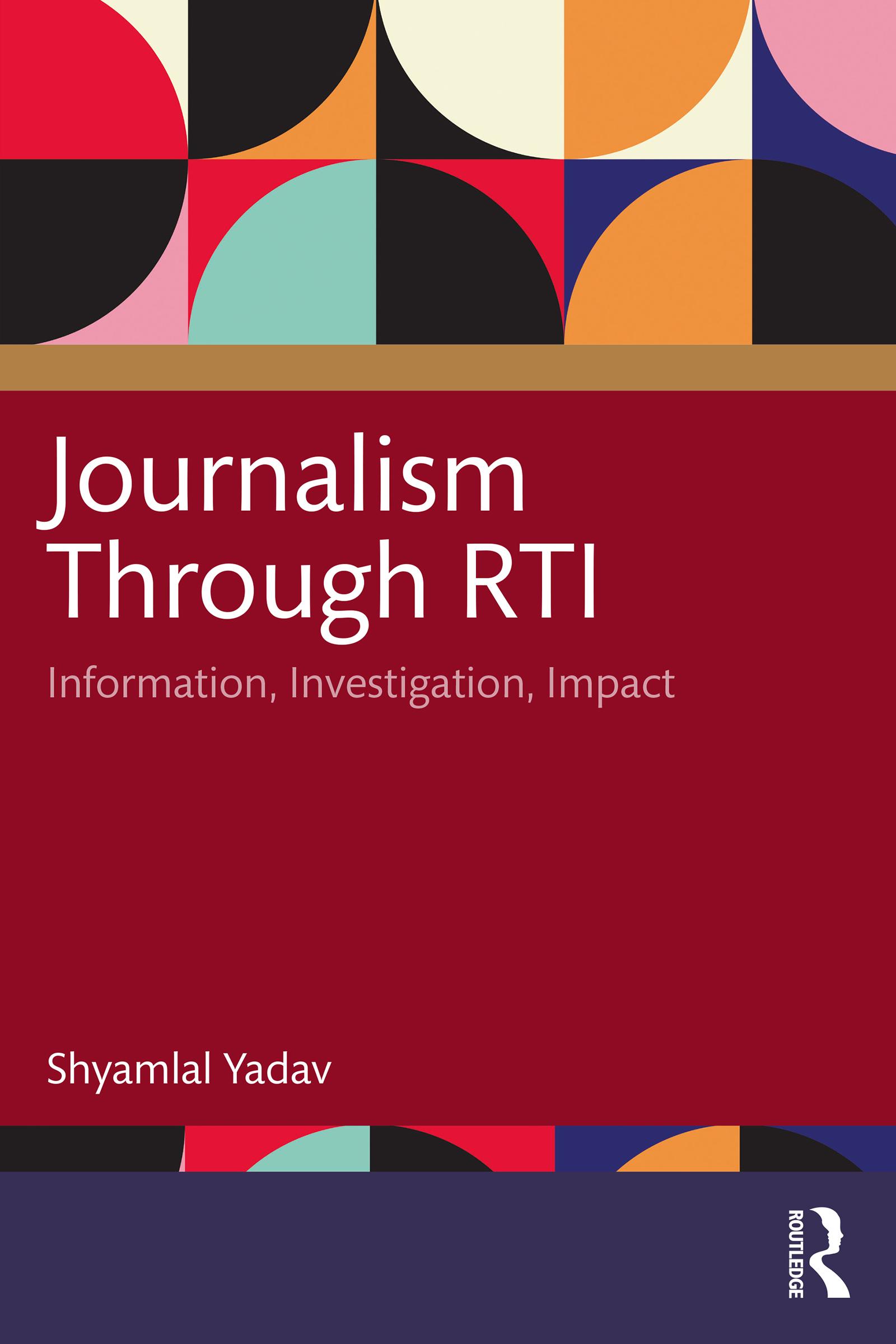
This book is a definitive guide to using Right to Information (RTI) or Freedom of Information (FOI) or Access to Information (ATI) for journalists, journalism students, social activists, researchers and concerned citizens. In the age of fake news, the smart quip on Twitter, the cheap shot, the put-down, the hyperbolic rant that passes for reportage, this book shows how effective use of the RTI can be a bedrock for investigative journalism and for speaking truth to power.
The volume:
- Presents a comprehensive history of transparency laws across the world
- Includes pioneering stories from the field that map how ideas were conceived, how questions were framed, how RTI applications were filed, how those were followed up, how the information was processed into a news story and what their impact was
- Shows how to write stories beyond the classical inverted pyramid—who, why, what, where, when and how
- Lists attempts to make the laws ineffective
Written by one of the pioneers in the field, this volume will be an indispensable reading for scholars and researchers in political science, governance, law and legal studies, democracy, public policy, social change and media studies. It will also immensely interest the everyday reader who wants to learn more about RTI and activism.
Płać wygodnie kartą, Klarną, Apple Pay lub Google Pay. Nie jesteś zadowolony? Zawsze masz 14-dniową gwarancję zwrotu pieniędzy. Więcej przeczytasz w naszych warunkach. Masz pytania? Napisz do nas na hello@memmo.org.
Memmo ułatwia naukę – gdziekolwiek jesteś na świecie. U nas znajdziesz podręczniki i sprytne narzędzia do nauki w jednym miejscu: streszczenia, quizy, podcasty i fiszki. A do tego Ted, Twój kumpel do nauki, który odpowie na wszystko, co Cię nurtuje. Ponad 50 000 studentów już tu się uczy – stworzone, byś uczył się szybciej i mniej stresował.