
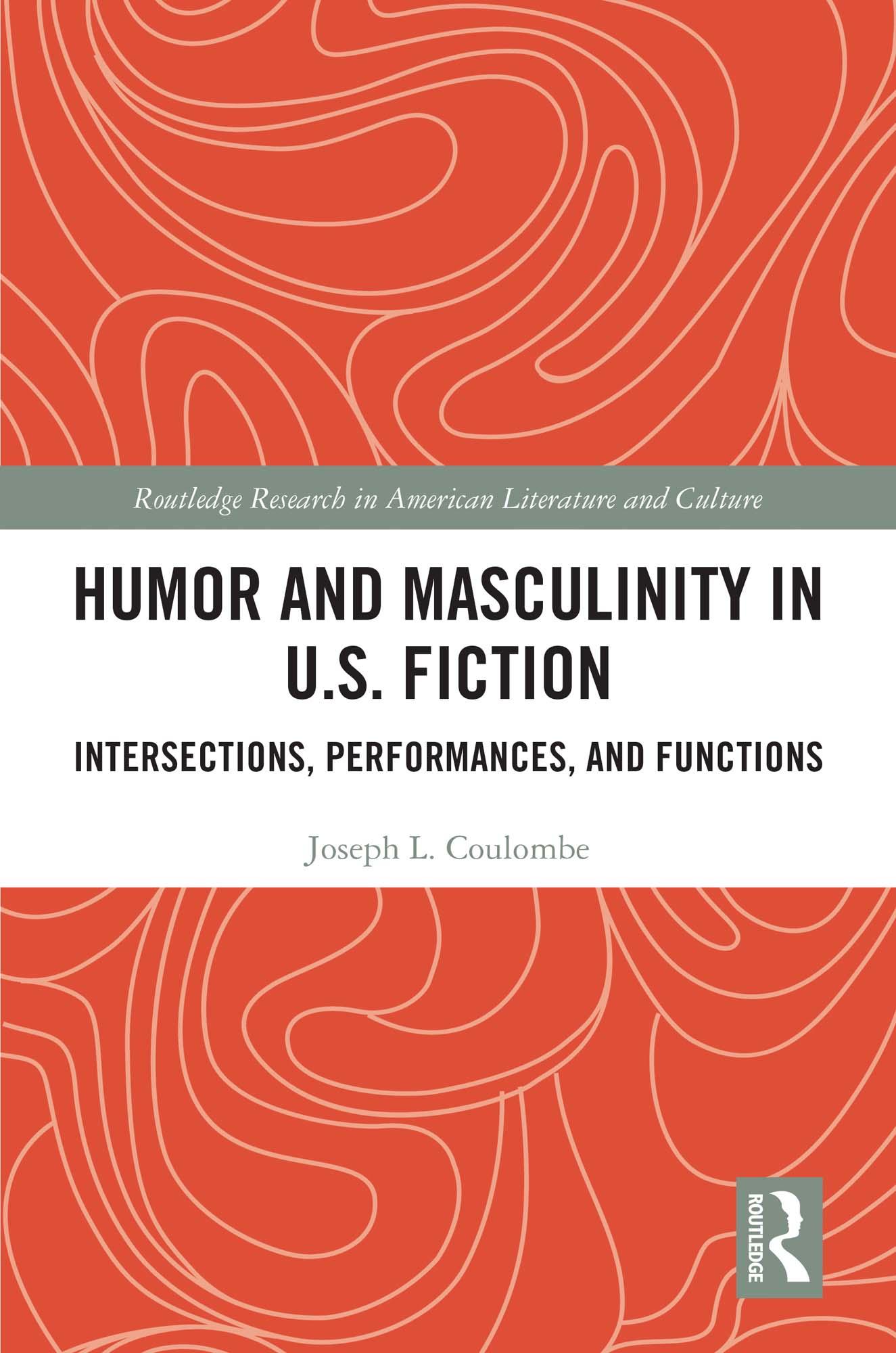
Humor and Masculinity in U.S. Fiction offers a pragmatic and theoretically informed model for analyzing how humor and gender intersect in key U.S. texts, bringing much-needed attention to the complex ways that humor can support and/or subvert reductive masculine codes and behaviors. Its argument builds upon three major humor theories – the incongruity theory, superiority theory, and relief theory – to analyze how humor is used to negotiate the shifting constructions of masculinity and manhood in American culture and literature. Focusing on explicit textual references to joking, pranks, and laughter, Humor and Masculinity in U.S. Fiction offers well-supported, original interpretations of works by Mark Twain, Owen Wister, Dorothy Parker, Zora Neale Hurston, Joseph Heller, Philip Roth, and Sherman Alexie. The primary goal of Humor and Masculinity in U.S. Fiction is to understand the multiple ways that humor performs and interrogates masculinity in seminal U.S. texts.
Płać wygodnie kartą, Klarną, Apple Pay lub Google Pay. Nie jesteś zadowolony? Zawsze masz 14-dniową gwarancję zwrotu pieniędzy. Więcej przeczytasz w naszych warunkach. Masz pytania? Napisz do nas na hello@memmo.org.
Memmo ułatwia naukę – gdziekolwiek jesteś na świecie. U nas znajdziesz podręczniki i sprytne narzędzia do nauki w jednym miejscu: streszczenia, quizy, podcasty i fiszki. A do tego Ted, Twój kumpel do nauki, który odpowie na wszystko, co Cię nurtuje. Ponad 50 000 studentów już tu się uczy – stworzone, byś uczył się szybciej i mniej stresował.