
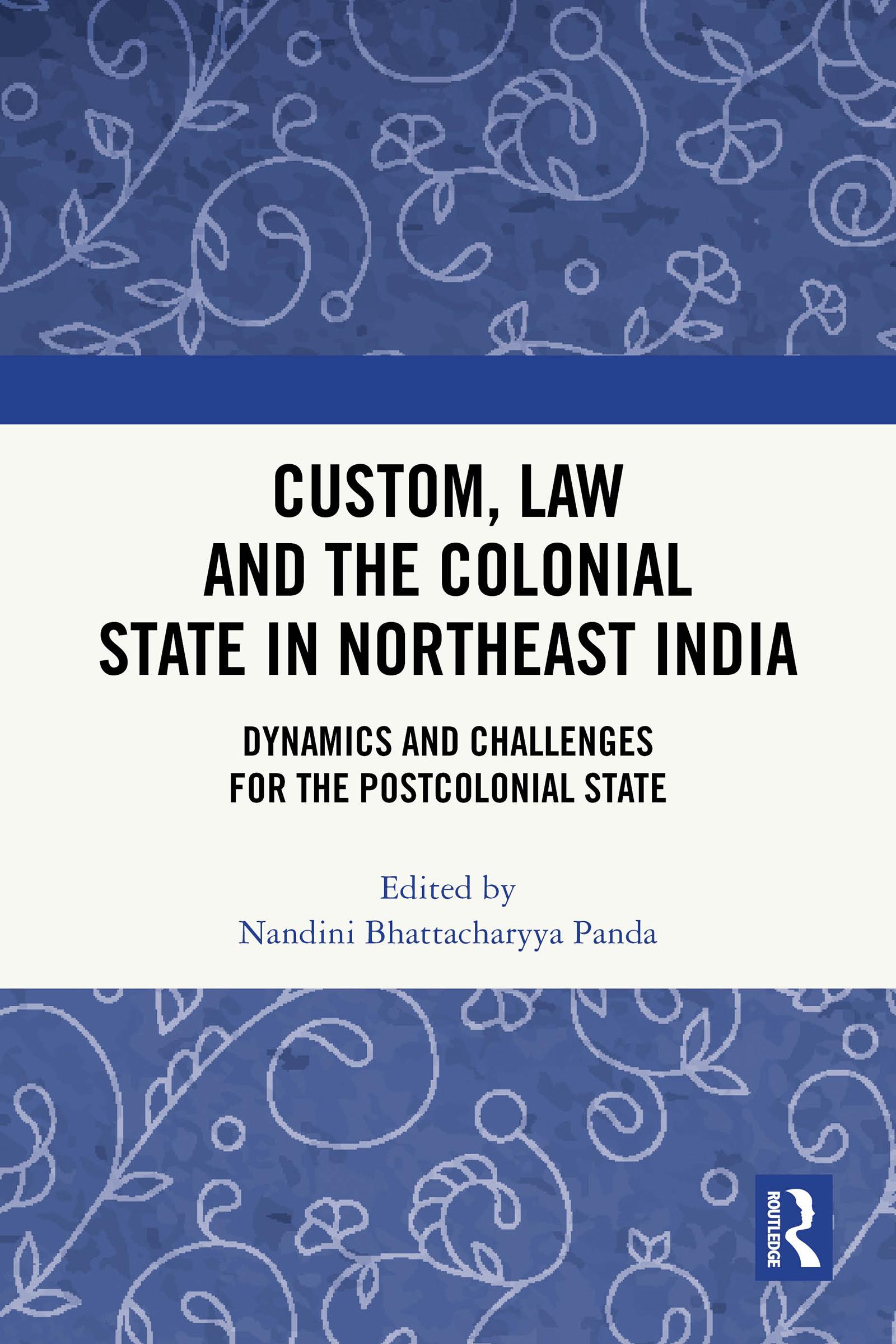
This volume presents a multidimensional analysis of the current operational law – both constitutional and customary – in Northeast India. It looks at how colonialism redesigned and redefined extant customary practices, leaving a permanent legacy on the legal governance and societal structure of the post-colonial Indian state.
The book interrogates “law” through a broad spectrum of issues including gender, partition, the legacy of colonial structures, and religion as a form of resistance against land grabbing and censorship. It delineates a distinct historical process of the evolution of law and custom and focuses on the intimate links between law and the dynamics of state, ethnicity, and governance.
As a unique contribution, the book offers new insights into how and why the continuity of colonial law within a democratic framework perpetuates deep-rooted problems in governance and the psyche of the people. It will be indispensable for students and researchers of history, law, anthropology, legal anthropology, sociology, Indian politics, and South Asian studies.
Płać wygodnie kartą, Klarną, Apple Pay lub Google Pay. Nie jesteś zadowolony? Zawsze masz 14-dniową gwarancję zwrotu pieniędzy. Więcej przeczytasz w naszych warunkach. Masz pytania? Napisz do nas na hello@memmo.org.
Memmo ułatwia naukę – gdziekolwiek jesteś na świecie. U nas znajdziesz podręczniki i sprytne narzędzia do nauki w jednym miejscu: streszczenia, quizy, podcasty i fiszki. A do tego Ted, Twój kumpel do nauki, który odpowie na wszystko, co Cię nurtuje. Ponad 50 000 studentów już tu się uczy – stworzone, byś uczył się szybciej i mniej stresował.