
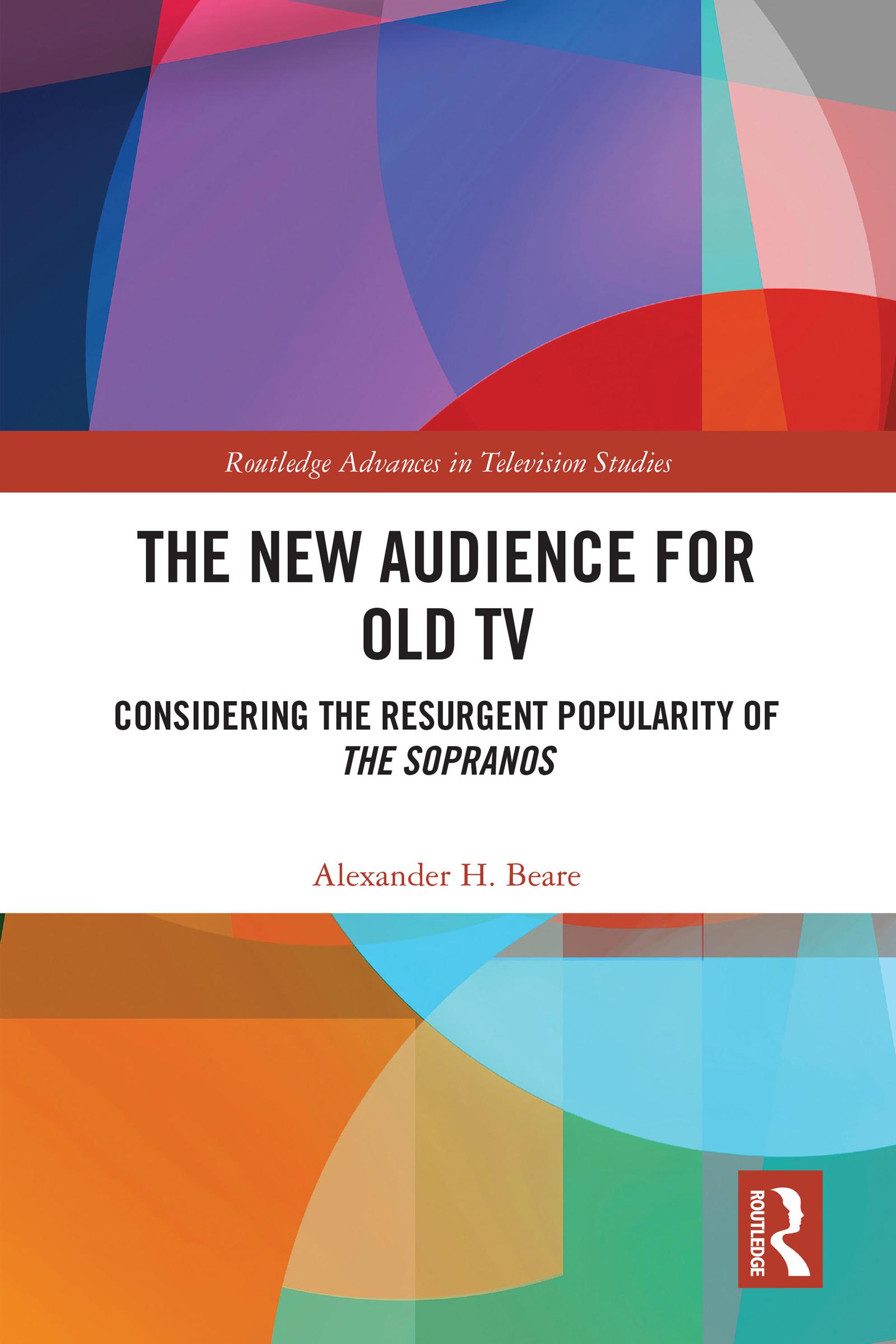
In 2020-21, the classic HBO show The Sopranos (1999-2007) saw a rapid increase in viewership and was proclaimed to be one of the “hottest shows of lockdown” by outlets like The Guardian and GQ. This resurgent popularity of The Sopranos raises important analytical questions for media scholars—how do audiences understand a complex text like The Sopranos in a radically different televisual and cultural context? Did they adapt the show to fit the particularities of the present moment or was it simply a nostalgic escape from the bleak conditions of the pandemic? Perhaps most importantly though, did the distinct televisual environment of the 2020s bring with it markedly new ways for audiences to understand ‘old’ shows?
The New Audience for Old TV is the first book to investigate how audiences re-read and re-interpret resurgent shows when watching in new cultural contexts. Based on a series of original research interviews with young fans, it considers how new contexts of interpretation, including the COVID-19 pandemic, Subscription Video on Demand (SVOD), and post #MeToo gender politics, informed the unique experience of watching. Using the metaphor of the anamorphic painting, it introduces the analytical framework of a ‘retrospective reading’ to reveal the new meanings that are being made available for ‘old’ TV.
Ultimately, The New Audience for Old TV uncovers fresh insights into audiences’ experiences with ‘prestige’ TV and the new avenues of meaning-making in the age of streaming.
Płać wygodnie kartą, Klarną, Apple Pay lub Google Pay. Nie jesteś zadowolony? Zawsze masz 14-dniową gwarancję zwrotu pieniędzy. Więcej przeczytasz w naszych warunkach. Masz pytania? Napisz do nas na hello@memmo.org.
Memmo ułatwia naukę – gdziekolwiek jesteś na świecie. U nas znajdziesz podręczniki i sprytne narzędzia do nauki w jednym miejscu: streszczenia, quizy, podcasty i fiszki. A do tego Ted, Twój kumpel do nauki, który odpowie na wszystko, co Cię nurtuje. Ponad 50 000 studentów już tu się uczy – stworzone, byś uczył się szybciej i mniej stresował.