
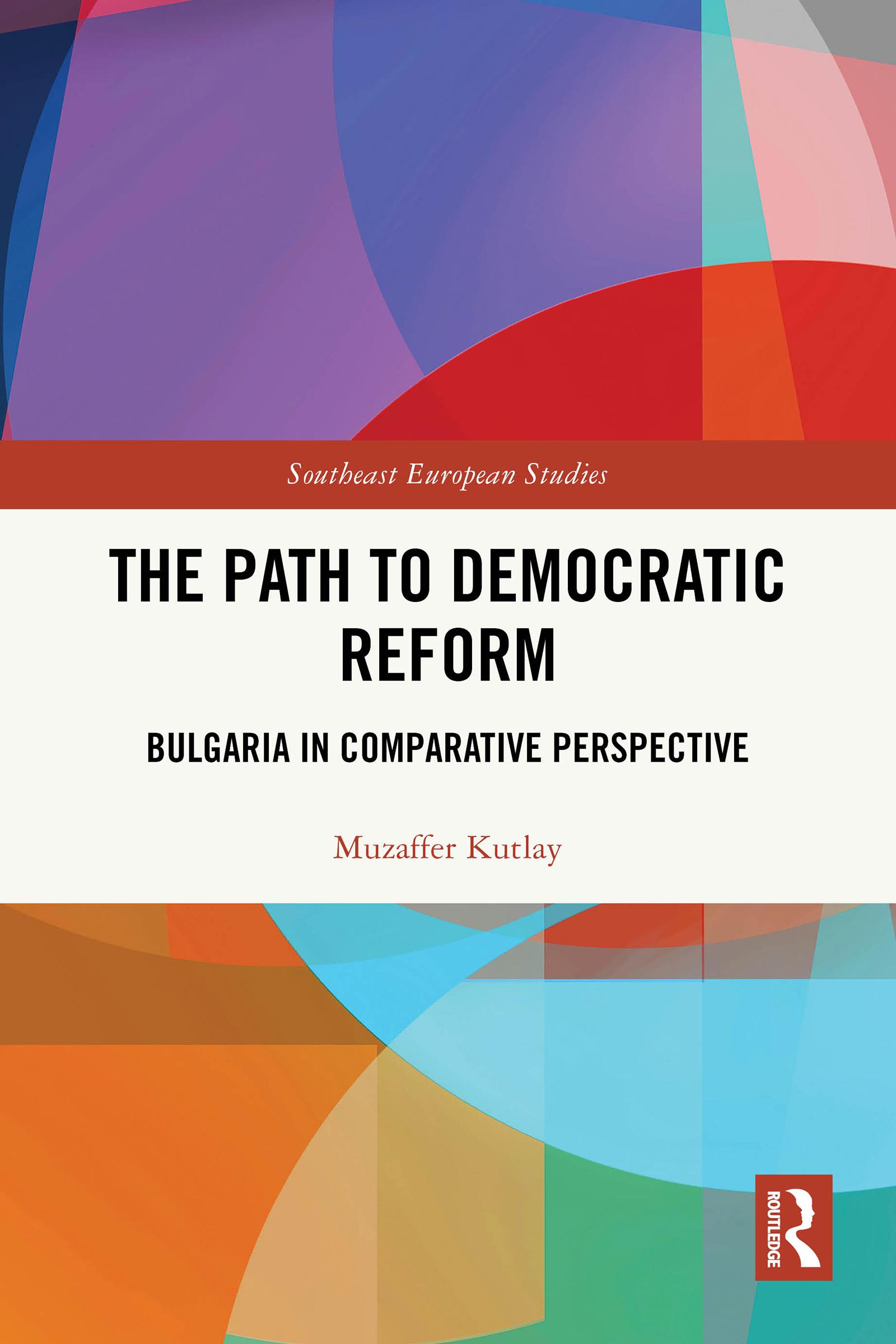
This book offers a comparative study of minority-majority relations in post-conflict societies. Drawing on three contentious cases – Bulgaria, Croatia, and Montenegro –it explores how pluralist governance structures are established in the area of minority rights in new EU member and candidate states and how reform resilience is ensured. The author shows the importance of cooperation and moderation between political elites in democratising countries, developing a comparative analysis of three understudied cases in the Balkans region and offering a conceptual framework based on extensive field research data and archive materials. Of great interest to both scholars and practitioners alike, this book identifies transferable policy lessons of interest to a global audience and specifies under which conditions substantial reforms should be carried out. It will appeal to a broad audience of students interested in international politics, European studies, state-mandated displacement, and ethnic studies.
Płać wygodnie kartą, Klarną, Apple Pay lub Google Pay. Nie jesteś zadowolony? Zawsze masz 14-dniową gwarancję zwrotu pieniędzy. Więcej przeczytasz w naszych warunkach. Masz pytania? Napisz do nas na hello@memmo.org.
Memmo ułatwia naukę – gdziekolwiek jesteś na świecie. U nas znajdziesz podręczniki i sprytne narzędzia do nauki w jednym miejscu: streszczenia, quizy, podcasty i fiszki. A do tego Ted, Twój kumpel do nauki, który odpowie na wszystko, co Cię nurtuje. Ponad 50 000 studentów już tu się uczy – stworzone, byś uczył się szybciej i mniej stresował.