
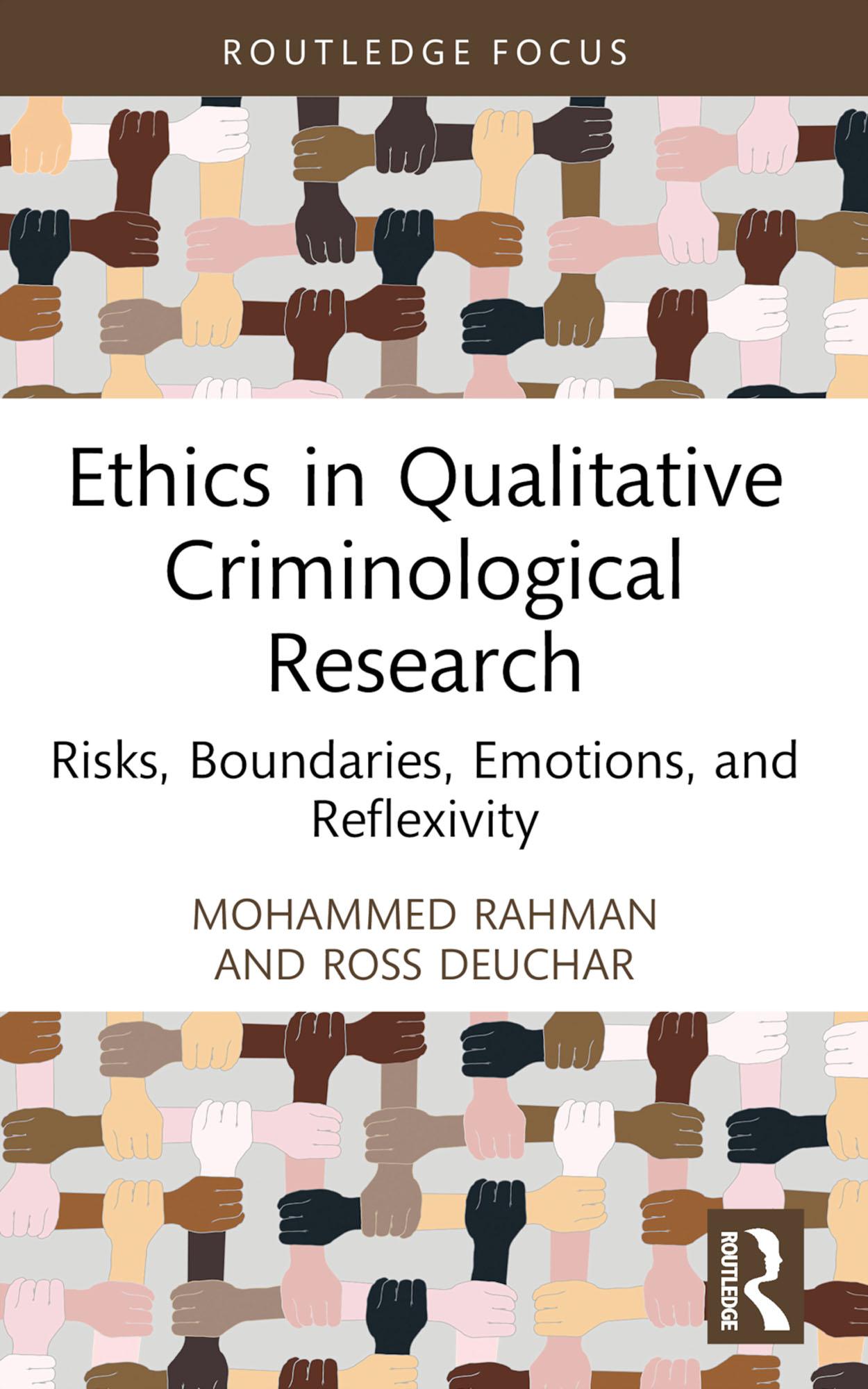
Providing academic insights, reflections, and practical guidance on ethically conducting qualitative criminological research, this book emphasizes real-life examples to navigate research risks, boundaries, and emotions, while spotlighting reflexivity as a pivotal tool for qualitative inquiries, serving as an ethical compass throughout the research process.
By engaging with this book, readers will be exposed to critical themes of managing risks, including physical harm and psychological trauma, navigating boundaries, dealing with the intense emotions that surface during research, and the importance of reflexivity in qualitative criminological research. The themes are illustrated through real-life examples that the authors have encountered during their fieldwork, using reflexive practices to highlight how they were able to ethically deal with unforeseen challenges. By presenting solutions, asking critical questions, and offering practical recommendations, the book guides readers on mitigating ethical issues, and provides a comprehensive approach to conducting research responsibly and ethically.
Ethics in Qualitative Criminological Research will be useful for undergraduate and postgraduate students, academic researchers and practitioners with an interest in conducting research, and pracademics occupying both practitioner and academic roles.
Płać wygodnie kartą, Klarną, Apple Pay lub Google Pay. Nie jesteś zadowolony? Zawsze masz 14-dniową gwarancję zwrotu pieniędzy. Więcej przeczytasz w naszych warunkach. Masz pytania? Napisz do nas na hello@memmo.org.
Memmo ułatwia naukę – gdziekolwiek jesteś na świecie. U nas znajdziesz podręczniki i sprytne narzędzia do nauki w jednym miejscu: streszczenia, quizy, podcasty i fiszki. A do tego Ted, Twój kumpel do nauki, który odpowie na wszystko, co Cię nurtuje. Ponad 50 000 studentów już tu się uczy – stworzone, byś uczył się szybciej i mniej stresował.