
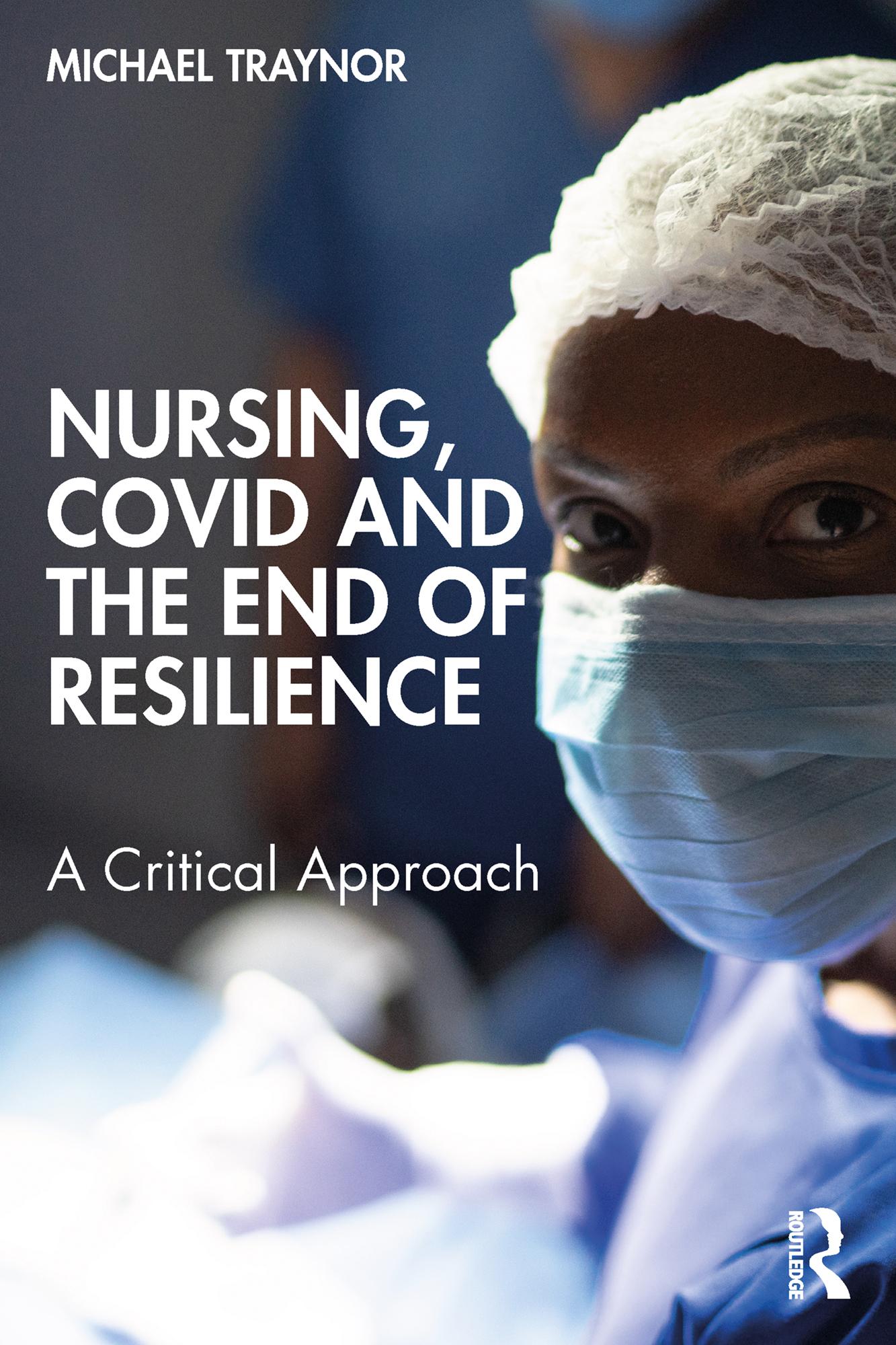
This book looks at the way in which resilience has been promoted as a resource for nurses during the COVID-19 pandemic and addresses its limitations as a response to the potential trauma of working in intense healthcare contexts. Traynor examines the nature of trauma and moral distress in nursing work, which predates the most recent pandemic that brought it into sharp relief, and links this to discussions of resilience in nursing. He examines differing understandings of trauma, identifying and detailing approaches to dealing with it and its aftereffects.
In a wide-ranging book that draws together critiques of the happiness industry and PPE scandals, this book lays bare government and managerial reactions to the pandemic, alongside individual, sometimes harrowing, accounts. Its author sets out the impact of working during COVID-19 on the profession and its members in terms of support, solidarity and fragmentation.
Drawing on a critical analysis of responses to the pandemic from the government, regulatory bodies, the NHS, and the media, along with primary research with nurses and others who have worked through the pandemic, this book is a vital contribution for all those interested in resilience, trauma, well-being and workforce development in nursing.
Płać wygodnie kartą, Klarną, Apple Pay lub Google Pay. Nie jesteś zadowolony? Zawsze masz 14-dniową gwarancję zwrotu pieniędzy. Więcej przeczytasz w naszych warunkach. Masz pytania? Napisz do nas na hello@memmo.org.
Memmo ułatwia naukę – gdziekolwiek jesteś na świecie. U nas znajdziesz podręczniki i sprytne narzędzia do nauki w jednym miejscu: streszczenia, quizy, podcasty i fiszki. A do tego Ted, Twój kumpel do nauki, który odpowie na wszystko, co Cię nurtuje. Ponad 50 000 studentów już tu się uczy – stworzone, byś uczył się szybciej i mniej stresował.