
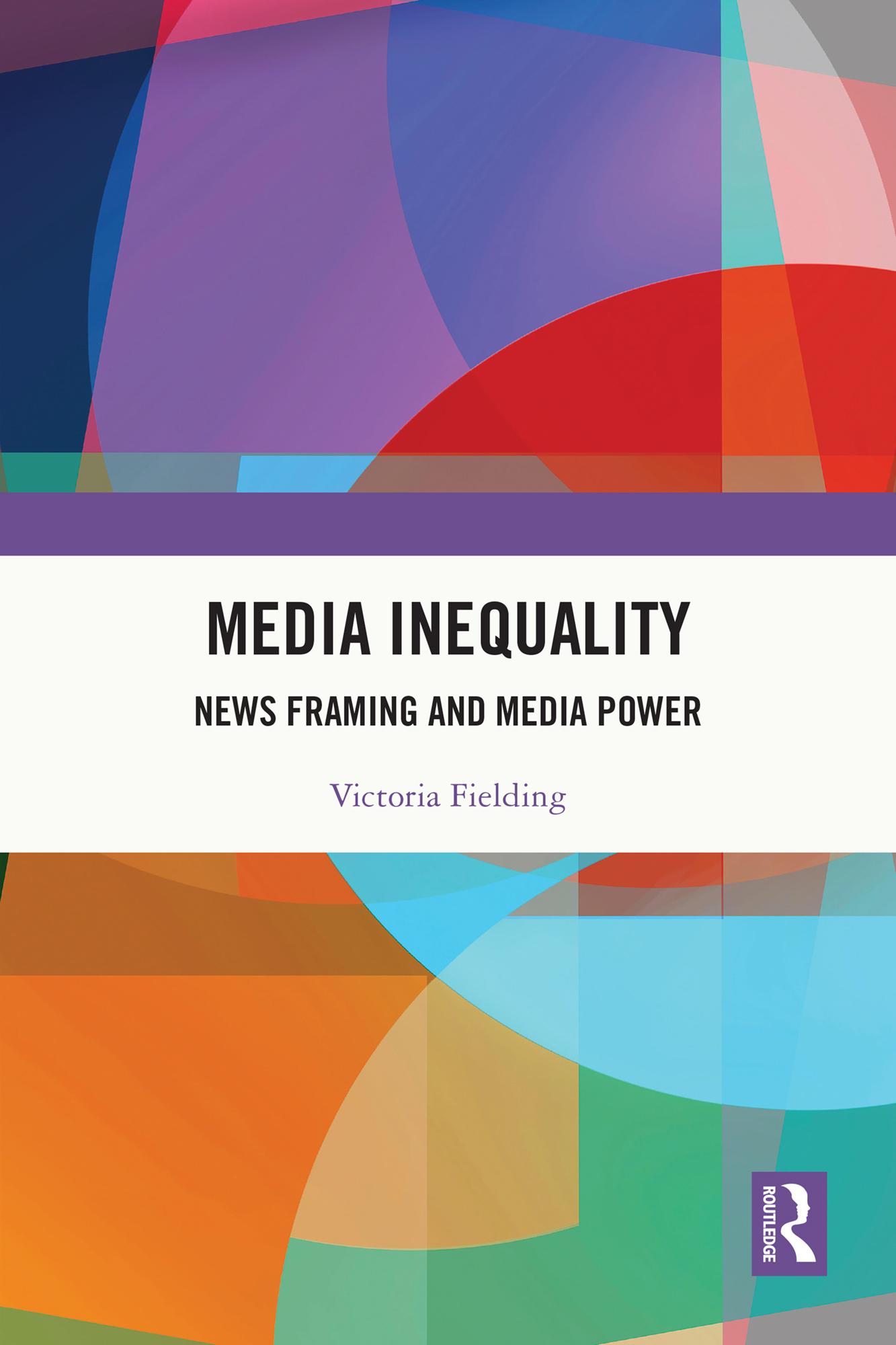
News media notionally underpins a vibrant and diverse democracy by representing political, industrial and social conflict to mass audiences. Yet, few studies measure how equitably journalists frame public contestation. Despite framing theory’s extensive use in media and communication scholarship, little is known about how frames are created and disseminated - how frames are built - to explain how and why journalists frame news the way they do.
Media Inequality proposes that frame building occurs through a two-step process of frame adoption and replication. This two-step frame-building process is explored by identifying the newspaper master narratives used in five historical industrial dispute case studies. These master narratives are then mapped to public narratives used by unionised firefighters and their employer in the Australian case of the 2016 Victorian Country Fire Authority industrial dispute. By theorising about the causes of journalists’ inequitable framing of contested narratives, Media Inequality tells the story of unconscious structural media bias, interrogates the power of news media to reinforce dominant frames, offers valuable theoretical perspectives about the influence of media power on the accumulation of power in society, and provides lessons for groups communicating in competitive contexts.
Media Inequality is thus valuable to scholars, academics and research students in the fields of journalism, communication, and media, particularly scholars interested in how journalists represent political, industrial, and social contestation.
Płać wygodnie kartą, Klarną, Apple Pay lub Google Pay. Nie jesteś zadowolony? Zawsze masz 14-dniową gwarancję zwrotu pieniędzy. Więcej przeczytasz w naszych warunkach. Masz pytania? Napisz do nas na hello@memmo.org.
Memmo ułatwia naukę – gdziekolwiek jesteś na świecie. U nas znajdziesz podręczniki i sprytne narzędzia do nauki w jednym miejscu: streszczenia, quizy, podcasty i fiszki. A do tego Ted, Twój kumpel do nauki, który odpowie na wszystko, co Cię nurtuje. Ponad 50 000 studentów już tu się uczy – stworzone, byś uczył się szybciej i mniej stresował.