
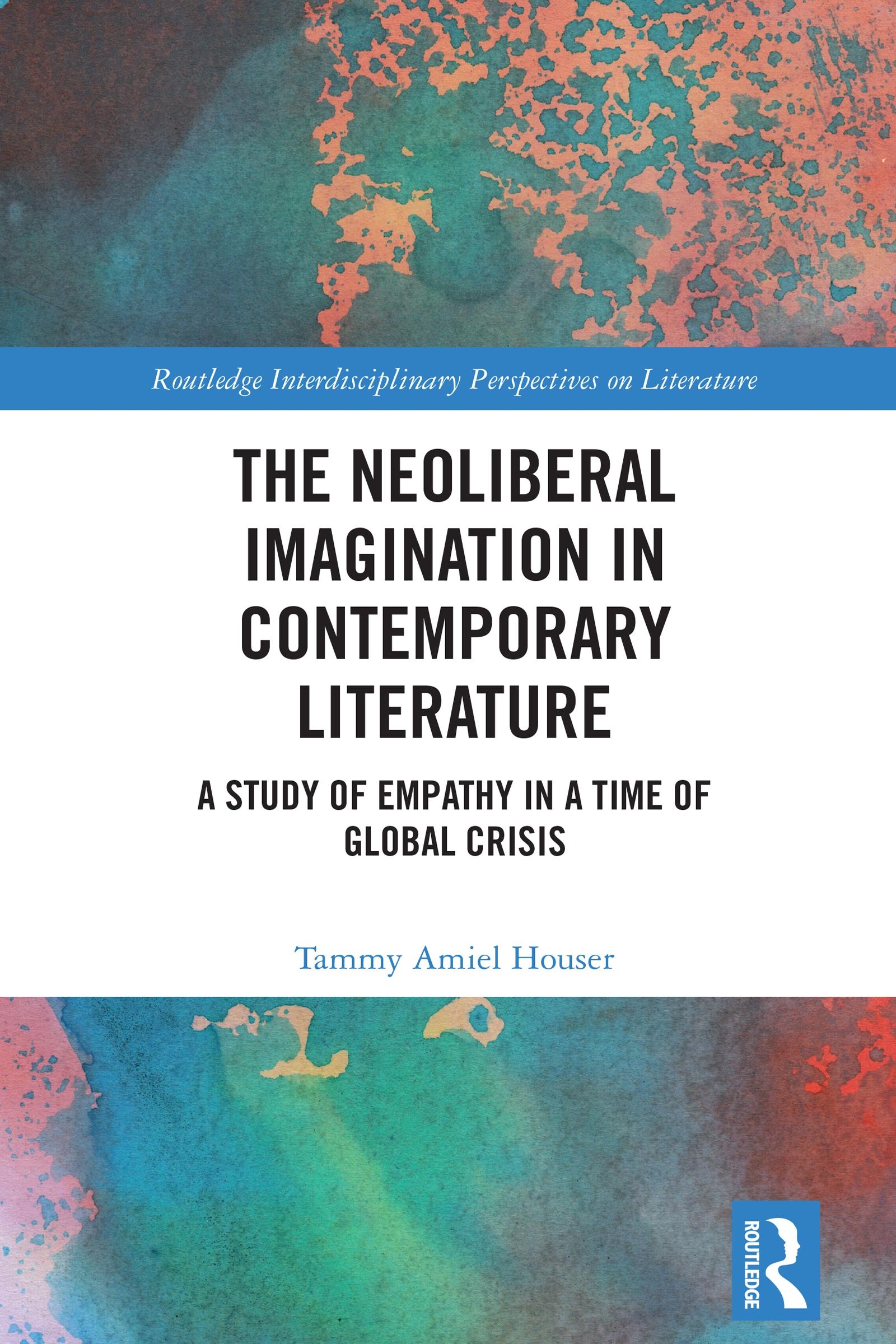
This book examines the relationship between empathy and neoliberalism as it unfolded in the aftermath of the 2008 financial crisis and through the turbulent 2010s. Via close readings of contemporary novels, as well as various non-fictional texts, it traces the changing approaches to empathy in the post-financial-crisis imagination, highlighting a crucial re-conceptualization of empathy as a boundaryless force, untethered to local or social circumstance. This reconceptualization implicitly aligns empathy with the neoliberal ethos of globalism and distances it from the traditional notion of “sympathy.” Via complex dialogue with the novelistic tradition of sympathy, contemporary novelists highlight the problematics of boundaryless empathy, while exploring ways to resist neoliberal views and values. Analyzing engagements with empathy in post-2008 literature and culture, the book sheds light on the underlying affective dynamics that enabled the persistence of neoliberalism after the 2008 financial crisis, alongside efforts to challenge its dominance.
Płać wygodnie kartą, Klarną, Apple Pay lub Google Pay. Nie jesteś zadowolony? Zawsze masz 14-dniową gwarancję zwrotu pieniędzy. Więcej przeczytasz w naszych warunkach. Masz pytania? Napisz do nas na hello@memmo.org.
Memmo ułatwia naukę – gdziekolwiek jesteś na świecie. U nas znajdziesz podręczniki i sprytne narzędzia do nauki w jednym miejscu: streszczenia, quizy, podcasty i fiszki. A do tego Ted, Twój kumpel do nauki, który odpowie na wszystko, co Cię nurtuje. Ponad 50 000 studentów już tu się uczy – stworzone, byś uczył się szybciej i mniej stresował.