
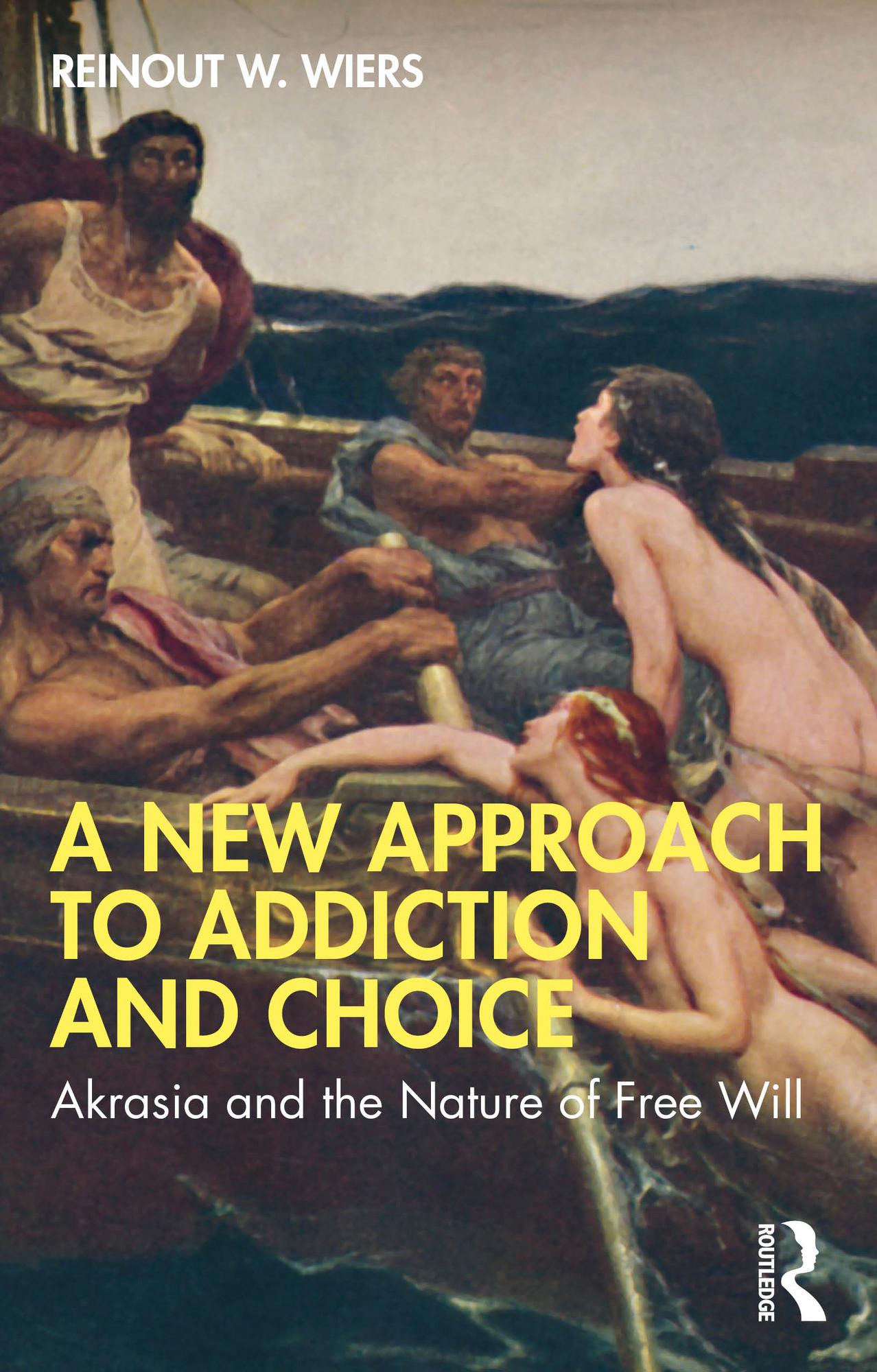
This engaging book provides a novel examination of the nature of addiction, suggesting that by exploring akrasia—the tendency to act against one’s better judgement—we can better understand our addictive behaviors. It offers an alternative to the dominant biomedical model of addiction as a chronic brain disease by looking at the nature of how we make decisions and proposing the idea that biased choice is central to addiction.
The book looks at both classic substance use disorders and newer “addictions” to smartphones, meat and fossil fuels. It discusses current perspectives on free will in philosophy, psychology and neuroscience, and the questions surrounding free will versus determinism, including our ability to steer our behaviors guided by the promise of future outcomes. Different perspectives on addiction and choice are presented in an eloquent style, and illustrated by personal stories. Through a lively discussion of the key scientific and philosophical issues surrounding addiction, this book is valuable for students in psychology, criminology, sociology and social work, as well as health care professionals and general readers interested in the nature of our free will.
Płać wygodnie kartą, Klarną, Apple Pay lub Google Pay. Nie jesteś zadowolony? Zawsze masz 14-dniową gwarancję zwrotu pieniędzy. Więcej przeczytasz w naszych warunkach. Masz pytania? Napisz do nas na hello@memmo.org.
Memmo ułatwia naukę – gdziekolwiek jesteś na świecie. U nas znajdziesz podręczniki i sprytne narzędzia do nauki w jednym miejscu: streszczenia, quizy, podcasty i fiszki. A do tego Ted, Twój kumpel do nauki, który odpowie na wszystko, co Cię nurtuje. Ponad 50 000 studentów już tu się uczy – stworzone, byś uczył się szybciej i mniej stresował.