
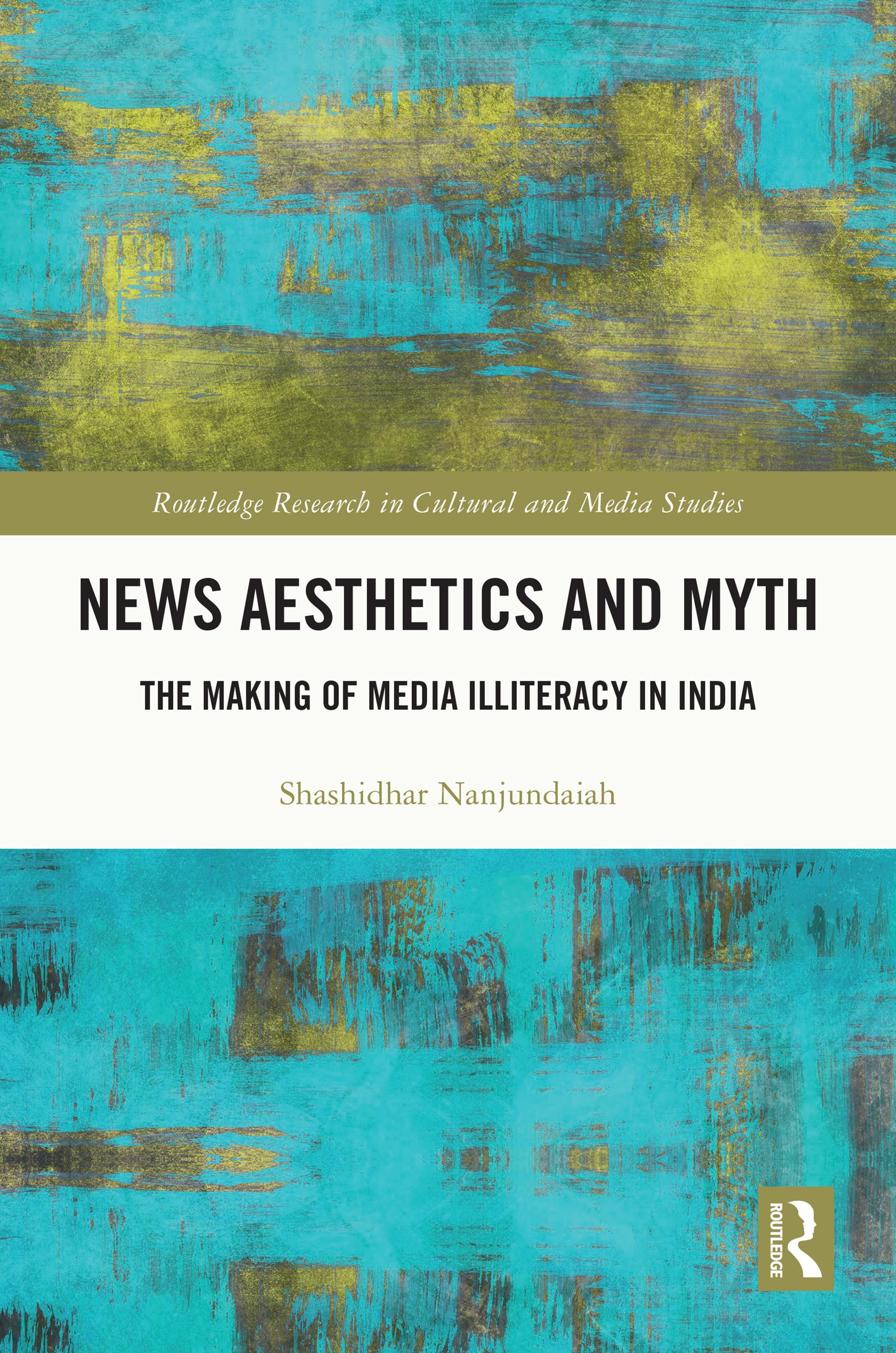
This book considers the presence of media illiteracy in a world in which we are supposedly consumed by media, live a media life, in a media ecosystem, surrounded by mediated communication.
Unpacking this paradoxical situation, the author proposes that before venturing into media literacy, we must first understand the workings of how mystification occurs. Departing from the idea that aesthetics work on an agreed set of principles between art and society, the author applies this ideology of aesthetics to news-based narration. Using empirical cases from India, the author proposes demystification as a possible methodology to approach media illiteracy and recommends completely transformed media literacy programs that deliver to communities, drawing from the construct of critical pedagogy. The book offers the possibilities for a collectivistic, non-Western, postcolonialist model of learning by using the very collective and hierarchical identities of societies that must be critiqued.
This vital and innovative book will be an important resource for scholars and students in the areas of media literacy and critical media literacy, media education, journalism, mass communication, aesthetics and media technology.
Płać wygodnie kartą, Klarną, Apple Pay lub Google Pay. Nie jesteś zadowolony? Zawsze masz 14-dniową gwarancję zwrotu pieniędzy. Więcej przeczytasz w naszych warunkach. Masz pytania? Napisz do nas na hello@memmo.org.
Memmo ułatwia naukę – gdziekolwiek jesteś na świecie. U nas znajdziesz podręczniki i sprytne narzędzia do nauki w jednym miejscu: streszczenia, quizy, podcasty i fiszki. A do tego Ted, Twój kumpel do nauki, który odpowie na wszystko, co Cię nurtuje. Ponad 50 000 studentów już tu się uczy – stworzone, byś uczył się szybciej i mniej stresował.