
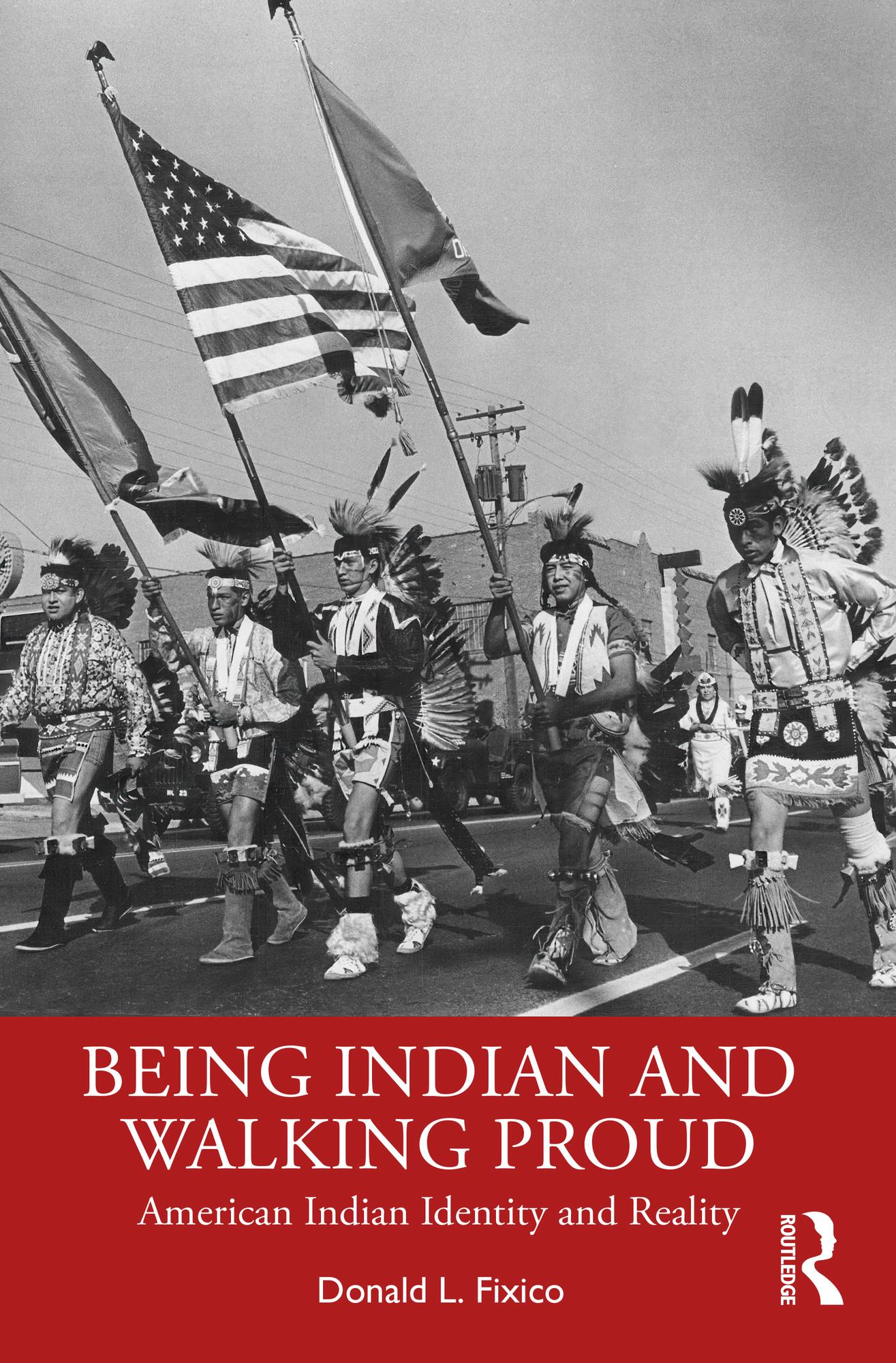
This book explores the identity of American Indians from an Indigenous perspective and how outside influences throughout history, from the arrival of Columbus in 1492 to the twenty-first century, have affected Native people.
Non-Native writers, boarding school teachers, movie directors, bureaucrats, churches, and television have all heavily impacted how Indians are viewed in the United States. Drawing on the life experiences of many American Indian men and women, this volume reveals how American Indian identity comprises multiple identities, including the noble savage, wild savage, Hollywood Indian, church-going Indian, rez Indian, urban Indian, Native woman, Indian activist, casino Indian, and tribal leader. Indigenous people, in their own voices, share their experiences of discrimination, being treated as outsiders in their own country, and the intersections of gender, culture, and politics in Indian-white relations. Yet the book also highlights the resilience of being Indian and the pride felt from being a member of a tribe(s), knowing your relatives, and feeling connected to the earth.
Being Indian and Walking Proud is a compelling resource for any reader interested in Indigenous history, including students and scholars in Native American and Indigenous studies, anthropology, and American history.
Płać wygodnie kartą, Klarną, Apple Pay lub Google Pay. Nie jesteś zadowolony? Zawsze masz 14-dniową gwarancję zwrotu pieniędzy. Więcej przeczytasz w naszych warunkach. Masz pytania? Napisz do nas na hello@memmo.org.
Memmo ułatwia naukę – gdziekolwiek jesteś na świecie. U nas znajdziesz podręczniki i sprytne narzędzia do nauki w jednym miejscu: streszczenia, quizy, podcasty i fiszki. A do tego Ted, Twój kumpel do nauki, który odpowie na wszystko, co Cię nurtuje. Ponad 50 000 studentów już tu się uczy – stworzone, byś uczył się szybciej i mniej stresował.