
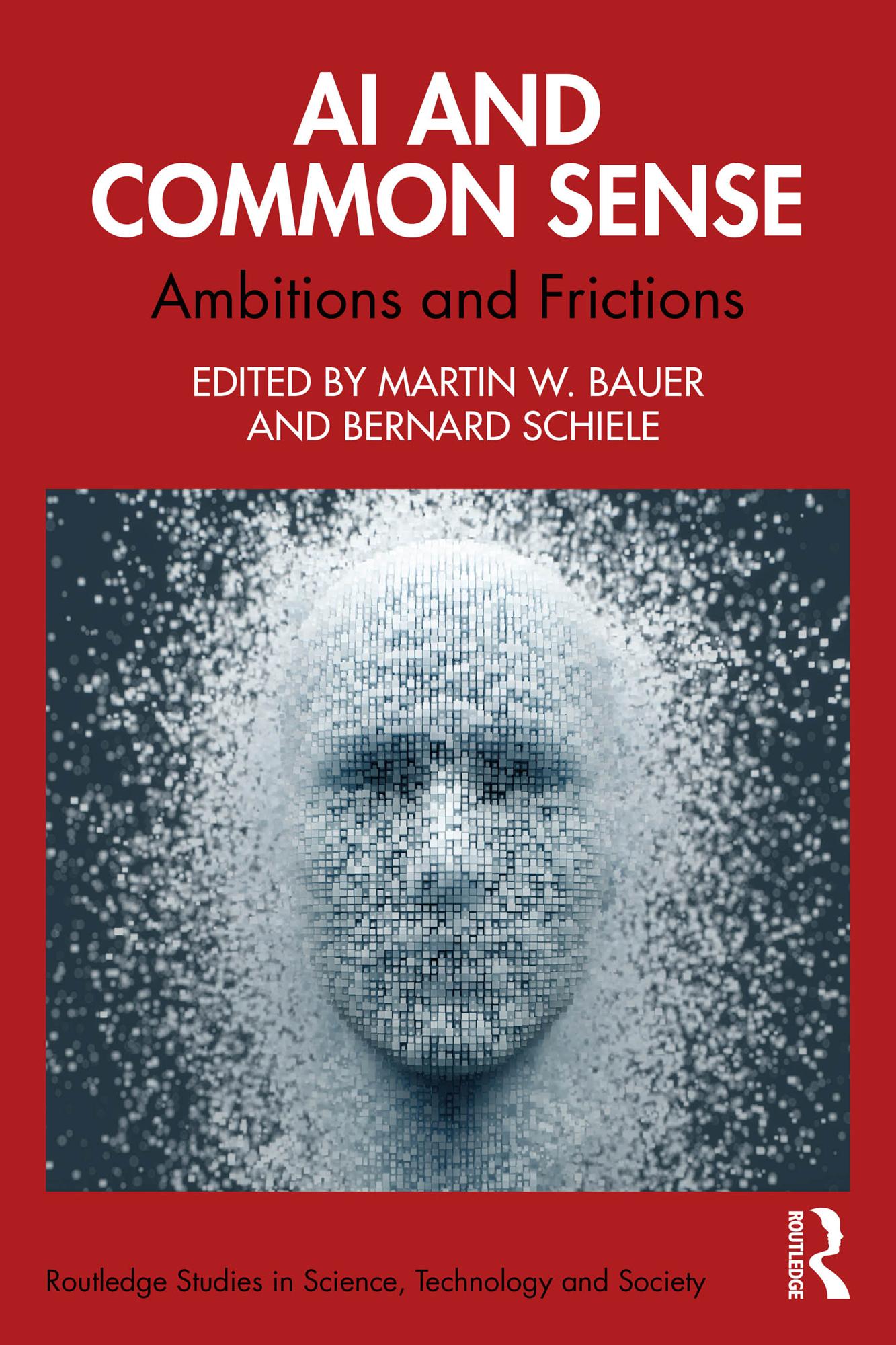
Common sense is the endless frontier in the development of artificial intelligence, but what exactly is common sense, can we replicate it in algorithmic form, and if we can – should we?
Bauer, Schiele and their contributors from a range of disciplines analyse the nature of common sense, and the consequent challenges of incorporating into artificial intelligence models. They look at different ways we might understand common sense and which of these ways are simulated within computer algorithms. These include sensory integration, self-evident truths, rhetorical common places, and mutuality and intentionality of actors within a moral community. How far are these possible features within and of machines? Approaching from a range of perspectives including Sociology, Political Science, Media and Culture, Psychology and Computer Science, the contributors lay out key questions, practical challenges and "common sense" concerns underlying the incorporation of common sense within machine learning algorithms for simulating intelligence, socialising robots, self-driving vehicles, personnel selection, reading, automatic text analysis, and text production.
A valuable resource for students and scholars of Science–Technology–Society Studies, Sociologists, Psychologists, Media and Culture Studies, human–computer interaction with an interest in the post-human, and programmers tackling the contextual questions of machine learning.
Płać wygodnie kartą, Klarną, Apple Pay lub Google Pay. Nie jesteś zadowolony? Zawsze masz 14-dniową gwarancję zwrotu pieniędzy. Więcej przeczytasz w naszych warunkach. Masz pytania? Napisz do nas na hello@memmo.org.
Memmo ułatwia naukę – gdziekolwiek jesteś na świecie. U nas znajdziesz podręczniki i sprytne narzędzia do nauki w jednym miejscu: streszczenia, quizy, podcasty i fiszki. A do tego Ted, Twój kumpel do nauki, który odpowie na wszystko, co Cię nurtuje. Ponad 50 000 studentów już tu się uczy – stworzone, byś uczył się szybciej i mniej stresował.