
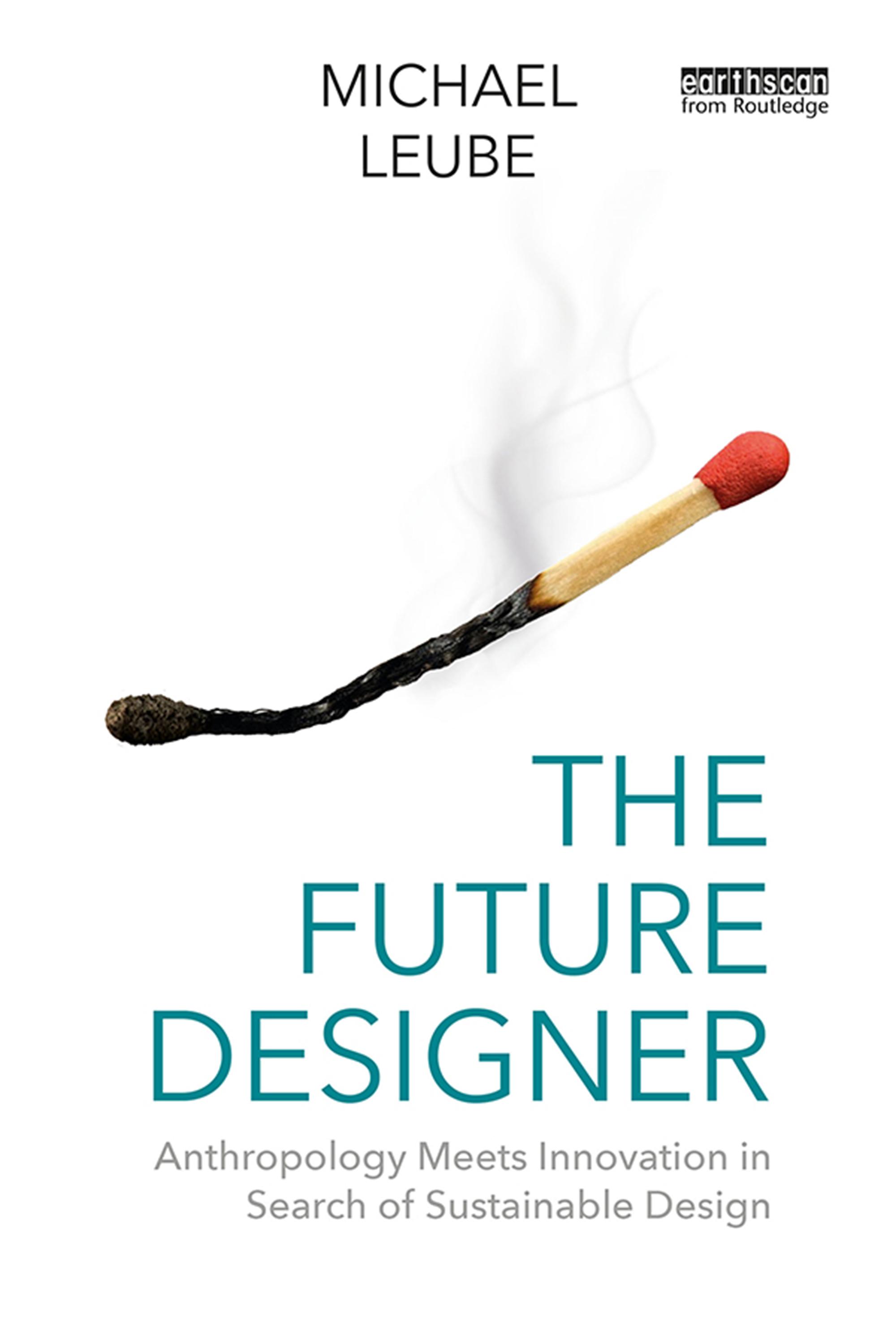
During periods of environmental and societal upheaval, design has the potential to be a formidable catalyst towards a sustainable future. However, to unleash its full power, significant shifts in both theory and practice are imperative. This book adopts a unique approach, blending anthropological perspectives with philosophy and cognitive science, and advocates for a thorough transformation of the existing design curriculum.
Supported by a vast body of literature in evolutionary science and design research, the book presents a blueprint for fostering more sustainable patterns of production and consumption. This blueprint is grounded in human virtues rather than vices and proposes a new curriculum tailored towards pro-sociality and sustainability. Leveraging his extensive professional background and expertise in the circular economy, Michael Leube offers practical examples, methods and tools for implementing sustainable approaches in the practical work of experienced designers. Showcasing cutting-edge innovations for pro-social and humanitarian design, the book ultimately argues that if we change the objective of design from creating desire to creating value, we can solve many of the most pressing social problems, from the cooperation of citizens to sustainable cities.
The book will be useful for those studying and teaching design and anthropology, and it will also be an important tool for practicing designers and engineers interested in learning how to design for social and ecological awareness.
Płać wygodnie kartą, Klarną, Apple Pay lub Google Pay. Nie jesteś zadowolony? Zawsze masz 14-dniową gwarancję zwrotu pieniędzy. Więcej przeczytasz w naszych warunkach. Masz pytania? Napisz do nas na hello@memmo.org.
Memmo ułatwia naukę – gdziekolwiek jesteś na świecie. U nas znajdziesz podręczniki i sprytne narzędzia do nauki w jednym miejscu: streszczenia, quizy, podcasty i fiszki. A do tego Ted, Twój kumpel do nauki, który odpowie na wszystko, co Cię nurtuje. Ponad 50 000 studentów już tu się uczy – stworzone, byś uczył się szybciej i mniej stresował.