
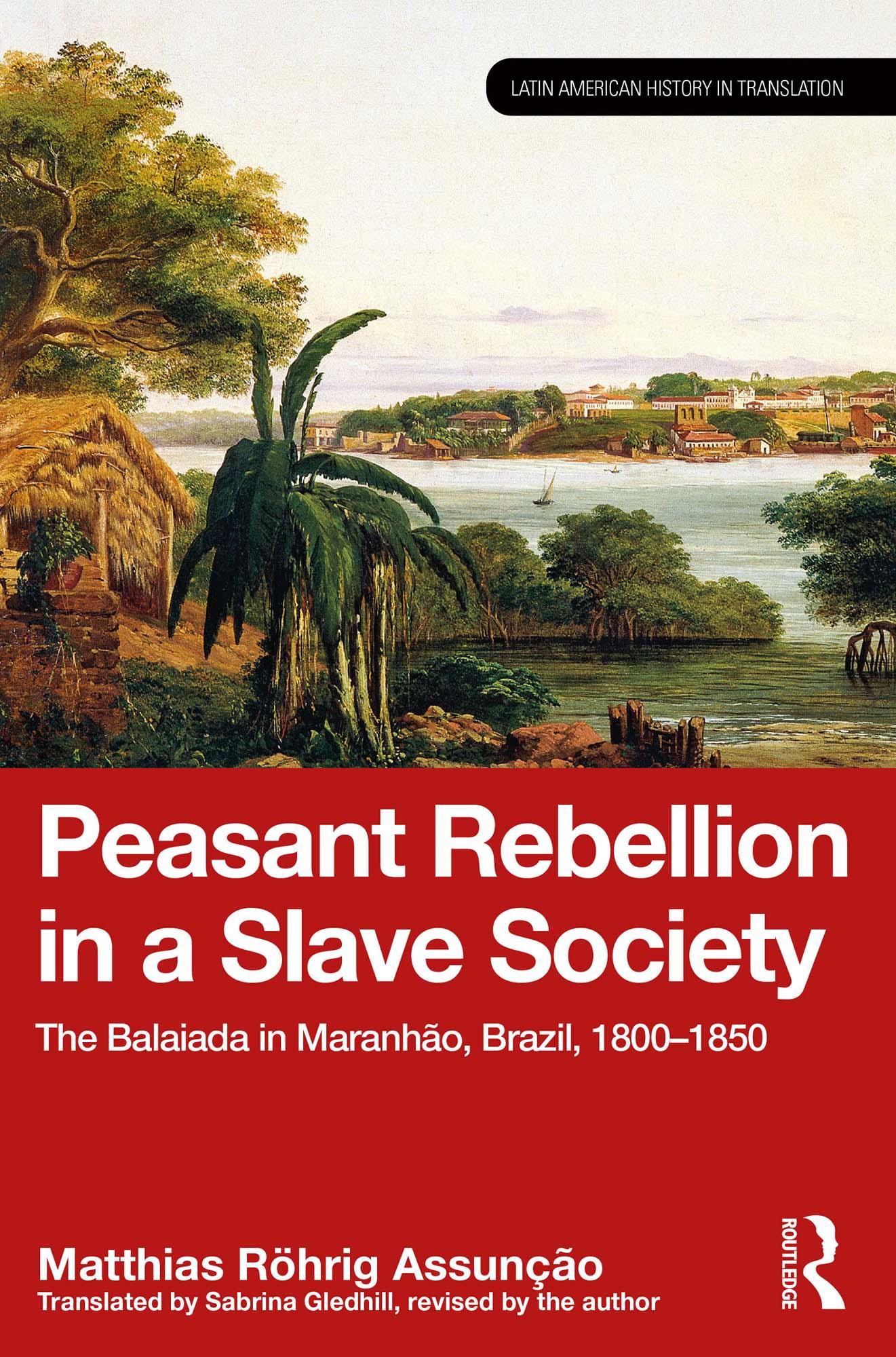
Peasant Rebellion in a Slave Society identifies the immediate and remote reasons for the Balaiada revolt in Maranhão, Brazil, analyzing the special characteristics of the region that favored the development of a relatively independent peasantry within and around the cotton, rice, cassava, and cattle estates.
The book explores the demography of Maranhão and patterns of land ownership and documents the rapid degradation of the environment by plantation‑based export agriculture. The analysis of various types of coerced and free labor, the oligopolistic structure of the colonial economy, and the key determinants of class and status contextualizes the conflict potential in Maranhão during the first half of the nineteenth century. The “People of Color,” as they called themselves, and enslaved workers from plantations rose against a White and conservative elite, claiming their constitutional rights or their freedom. The central government in Rio de Janeiro had to dispatch considerable amounts of money and troops to defeat the insurrection and subject the province again to imperial rule and enslaved workers and peasants to the plantocracy.
This richly illustrated volume will be of interest to students and scholars working on slavery in the Americas and the Atlantic world, as well as Brazilian history.
Płać wygodnie kartą, Klarną, Apple Pay lub Google Pay. Nie jesteś zadowolony? Zawsze masz 14-dniową gwarancję zwrotu pieniędzy. Więcej przeczytasz w naszych warunkach. Masz pytania? Napisz do nas na hello@memmo.org.
Memmo ułatwia naukę – gdziekolwiek jesteś na świecie. U nas znajdziesz podręczniki i sprytne narzędzia do nauki w jednym miejscu: streszczenia, quizy, podcasty i fiszki. A do tego Ted, Twój kumpel do nauki, który odpowie na wszystko, co Cię nurtuje. Ponad 50 000 studentów już tu się uczy – stworzone, byś uczył się szybciej i mniej stresował.