
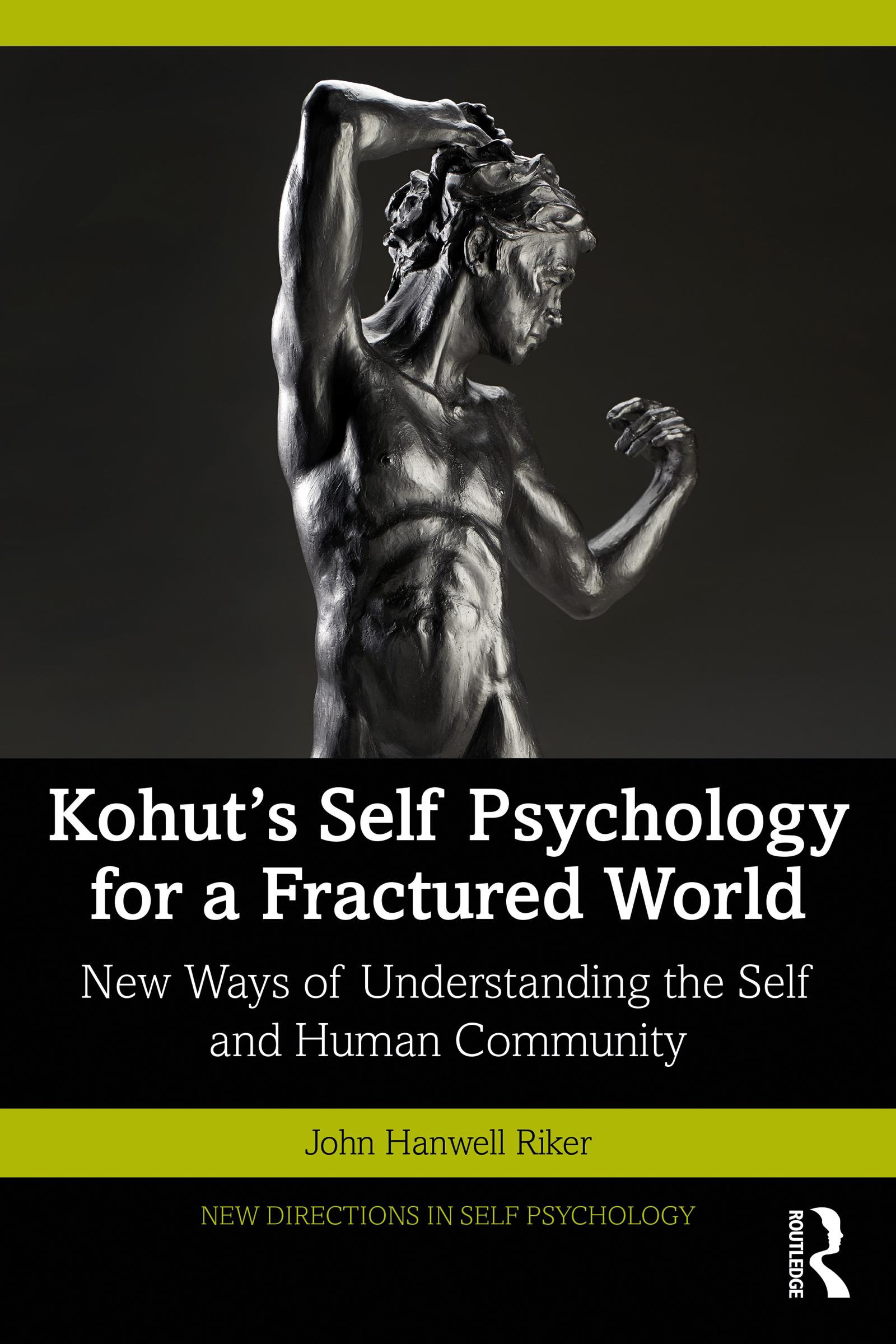
Drawing from Kohut's conceptualisation of self, Riker sets out how contemporary America's formulation of persons as autonomous, self-sufficient individuals is deeply injurious to the development of a vitalizing self-structure—a condition which lies behind much of the mental illness and social malaise of today's world.
By carefully attending to Kohut's texts, Riker explains the structural, functional, and dynamic dimensions of Kohut's concept of the self. He creatively extends this concept to show how the self can be conceived of as an erotic striving for connectedness, beauty, and harmony, separate from the ego. Riker uses this distinction to reveal how social practices of contemporary American society foster skills and traits to advance the aims of the ego for power and control, but tend to suppress the needs of the self to authentically express its ideals and connect with others. The book explores the impact that this view can have on clinical practice, and concludes by imaginatively constructing an ideal self-psychological society, using Plato's Republic as a touchstone.
Informed by self psychology and philosophy, this book is essential reading for psychoanalysts, psychotherapists and philosophers, seeking to revisit and revise constructions of both self and humanity.
Płać wygodnie kartą, Klarną, Apple Pay lub Google Pay. Nie jesteś zadowolony? Zawsze masz 14-dniową gwarancję zwrotu pieniędzy. Więcej przeczytasz w naszych warunkach. Masz pytania? Napisz do nas na hello@memmo.org.
Memmo ułatwia naukę – gdziekolwiek jesteś na świecie. U nas znajdziesz podręczniki i sprytne narzędzia do nauki w jednym miejscu: streszczenia, quizy, podcasty i fiszki. A do tego Ted, Twój kumpel do nauki, który odpowie na wszystko, co Cię nurtuje. Ponad 50 000 studentów już tu się uczy – stworzone, byś uczył się szybciej i mniej stresował.