
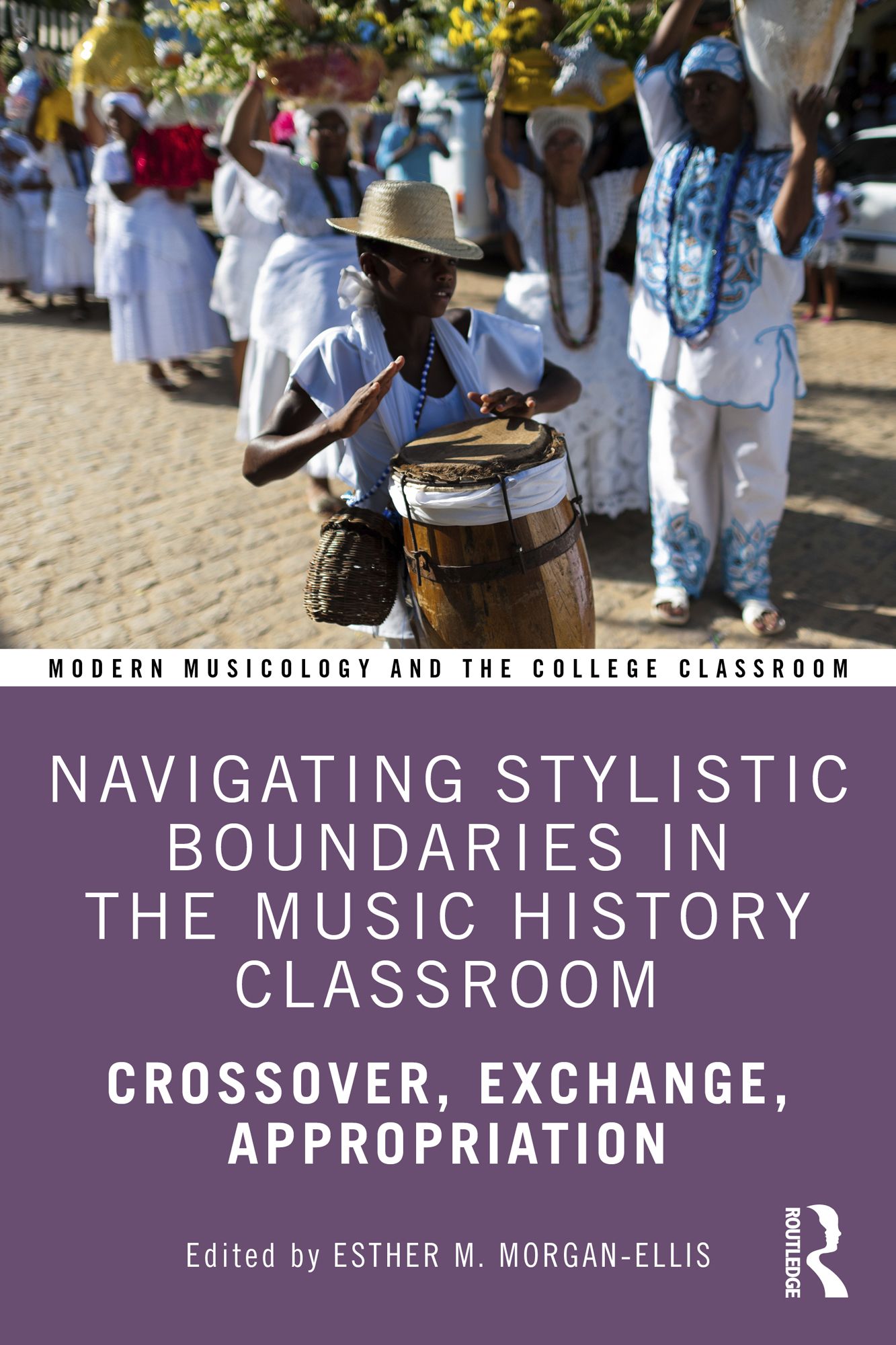
At a time of transformation in the music history classroom and amid increasing calls to teach a global music history, Navigating Stylistic Boundaries in the Music History Classroom adds nuance to the teaching of varied musical traditions by examining the places where they intersect and the issues of musical exchange and appropriation that these intersections raise. Troubling traditional boundaries of genre and style, this collection of essays helps instructors to denaturalize the framework of Western art music and invite students to engage with other traditions—vernacular, popular, and non-Western—on their own terms.
The book draws together contributions by a wide range of active scholars and educators to investigate the teaching of music history around cases of stylistic borders, exploring the places where different practices of music and values intersect. Each chapter in this collection considers a specific case in which an artist or community engages in what might be termed musical crossover, exchange, or appropriation and delves deeper into these concepts to explore questions of how musical meaning changes in moving across worlds of practice. Addressing works that are already widely taught but presenting new ways to understand and interpret them, this volume enables instructors to enrich the perspectives on music history that they present and to take on the challenge of teaching a more global music history without flattening the differences between traditions.
Płać wygodnie kartą, Klarną, Apple Pay lub Google Pay. Nie jesteś zadowolony? Zawsze masz 14-dniową gwarancję zwrotu pieniędzy. Więcej przeczytasz w naszych warunkach. Masz pytania? Napisz do nas na hello@memmo.org.
Memmo ułatwia naukę – gdziekolwiek jesteś na świecie. U nas znajdziesz podręczniki i sprytne narzędzia do nauki w jednym miejscu: streszczenia, quizy, podcasty i fiszki. A do tego Ted, Twój kumpel do nauki, który odpowie na wszystko, co Cię nurtuje. Ponad 50 000 studentów już tu się uczy – stworzone, byś uczył się szybciej i mniej stresował.