
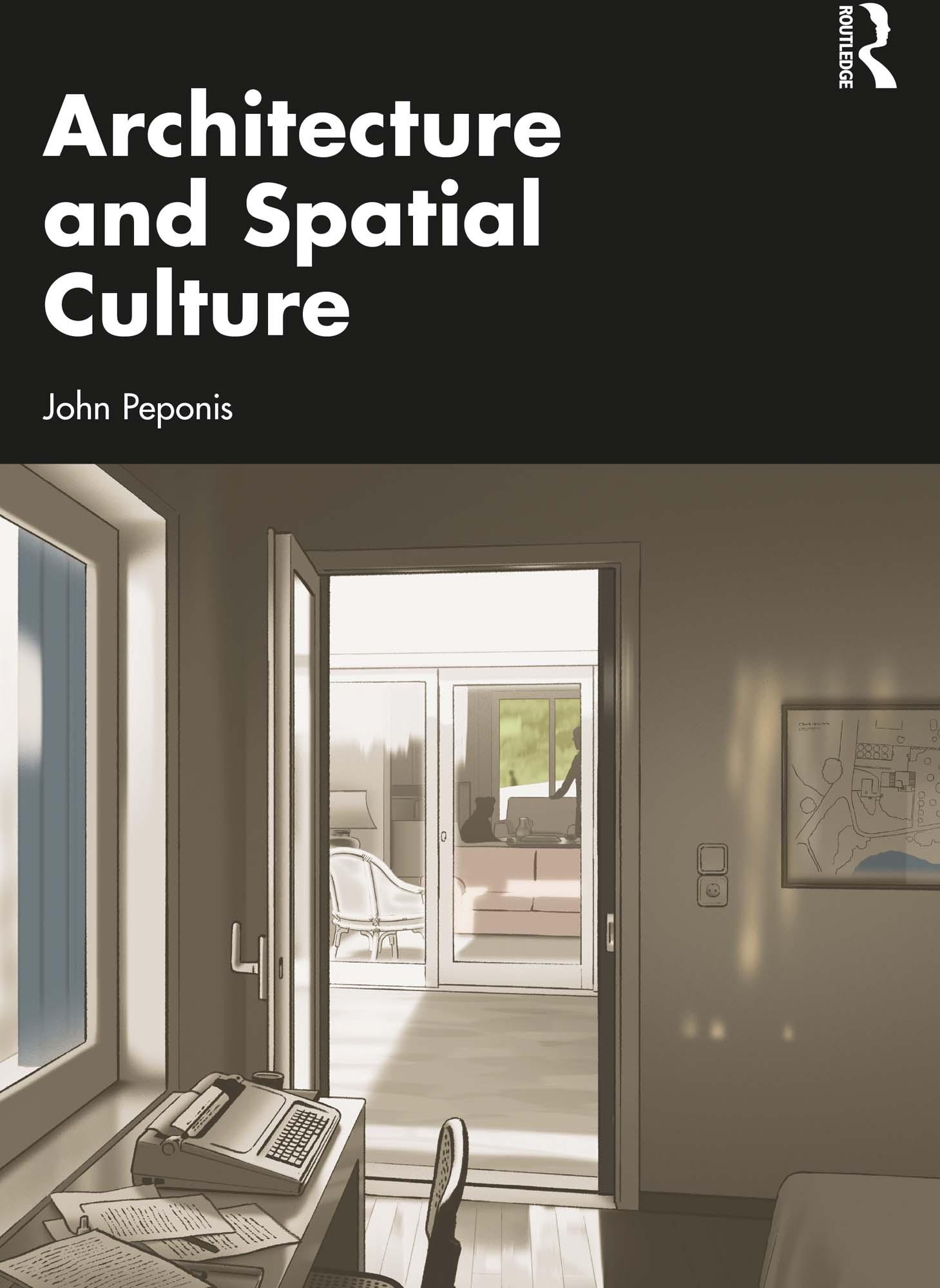
Built space supports our daily habits and our membership of communities, organizations, institutions, or social formations. Architecture and Spatial Culture argues that architecture matters because it makes the settings of our life intelligible, so that we can sustain or creatively transform them.
As technological and social innovations allow us to overcome spatial constraints to communication, cooperation, and exchange, so the architecture of embodied experience reflects independent cultural choices and human values. The analysis of a wealth of examples, from urban environments to workplaces and museums, shows that built space functions pedagogically, inducing us to specific ways of seeing, understanding, and feeling, and supporting distinct patterns of cooperation and life in common.
Architecture and Spatial Culture is about the principles that underpin the design and inhabitation of space. It also serves as an introduction to Space Syntax, a descriptive theory used to model the human functions of layouts. Thus, it addresses architects, students of architecture and all those working in disciplines that engage the design of the built environment and its social effects.
Płać wygodnie kartą, Klarną, Apple Pay lub Google Pay. Nie jesteś zadowolony? Zawsze masz 14-dniową gwarancję zwrotu pieniędzy. Więcej przeczytasz w naszych warunkach. Masz pytania? Napisz do nas na hello@memmo.org.
Memmo ułatwia naukę – gdziekolwiek jesteś na świecie. U nas znajdziesz podręczniki i sprytne narzędzia do nauki w jednym miejscu: streszczenia, quizy, podcasty i fiszki. A do tego Ted, Twój kumpel do nauki, który odpowie na wszystko, co Cię nurtuje. Ponad 50 000 studentów już tu się uczy – stworzone, byś uczył się szybciej i mniej stresował.