
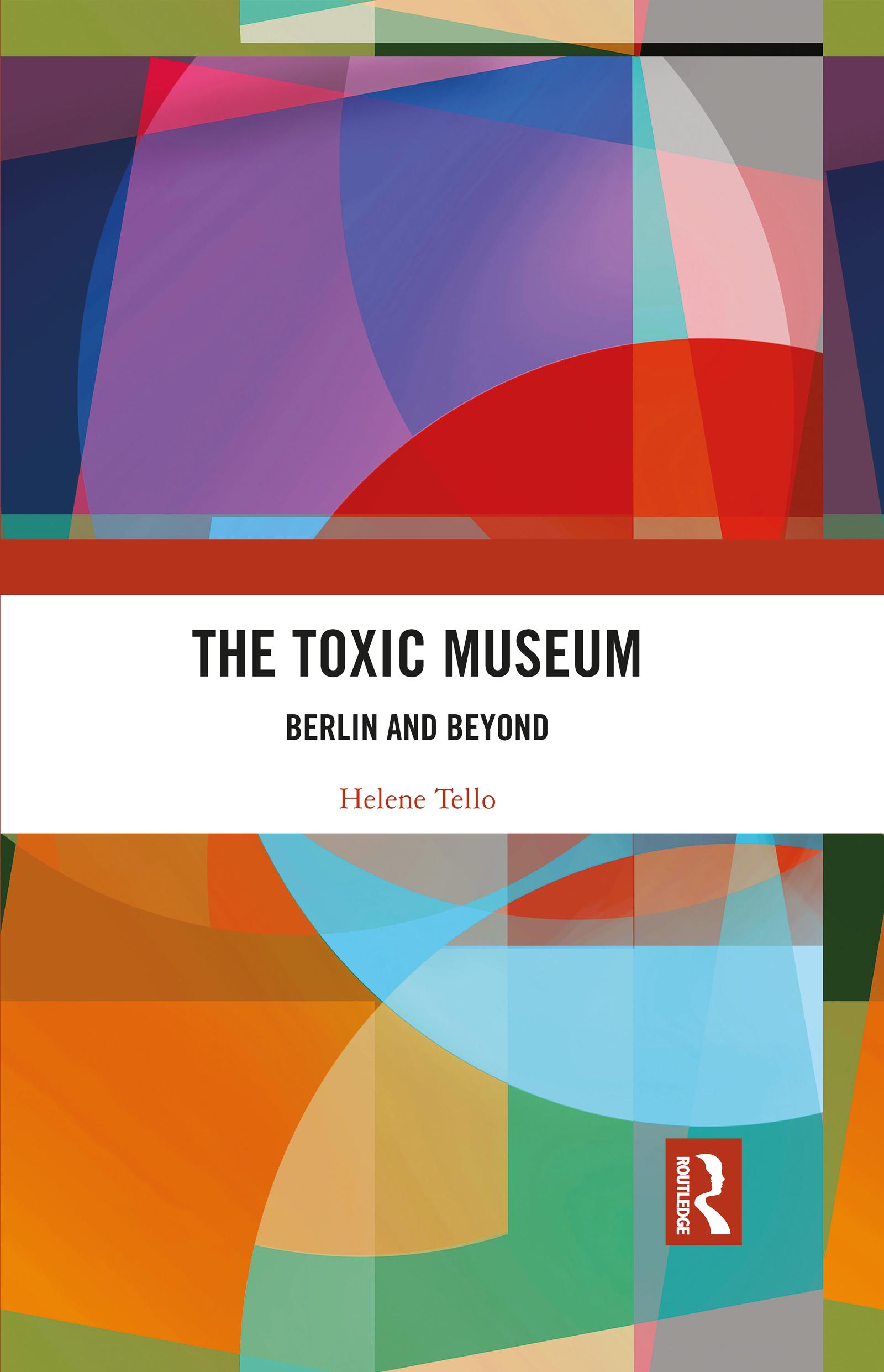
The Toxic Museum examines the use of pesticides in German museum collections at the end of the 19th and early 20th centuries.
It reconstructs the research of substances against harmful insects in museum collections within the historical context of the formation of nation-states, colonialism, a strengthening chemical industry, the First World War, and the resulting broad-based hygiene movement through the lens of the Ethnologisches Museum (Ethnological Museum) in Berlin. Because of their persistence, the consequences of the use of pesticides in museum collections are now unmistakable and well documented in many places. Numerous objects are highly contaminated and are only accessible under difficult conditions regarding occupational health and safety. This creates obstacles for conservation and scientific processing, as well as for mediation in the context of exhibitions and external loans. The most precarious and difficult situations arise when contaminated museum objects are repatriated to their countries of origin. This monograph examines contemporary challenges in the 21st century museum landscape and contextualises the history of pesticide use at the turn of the 20th century.
The Toxic Museum will be of great interest to students and scholars working in conservation, museology, monument preservation, art and cultural studies, ethnology, history, and economics.
Płać wygodnie kartą, Klarną, Apple Pay lub Google Pay. Nie jesteś zadowolony? Zawsze masz 14-dniową gwarancję zwrotu pieniędzy. Więcej przeczytasz w naszych warunkach. Masz pytania? Napisz do nas na hello@memmo.org.
Memmo ułatwia naukę – gdziekolwiek jesteś na świecie. U nas znajdziesz podręczniki i sprytne narzędzia do nauki w jednym miejscu: streszczenia, quizy, podcasty i fiszki. A do tego Ted, Twój kumpel do nauki, który odpowie na wszystko, co Cię nurtuje. Ponad 50 000 studentów już tu się uczy – stworzone, byś uczył się szybciej i mniej stresował.