
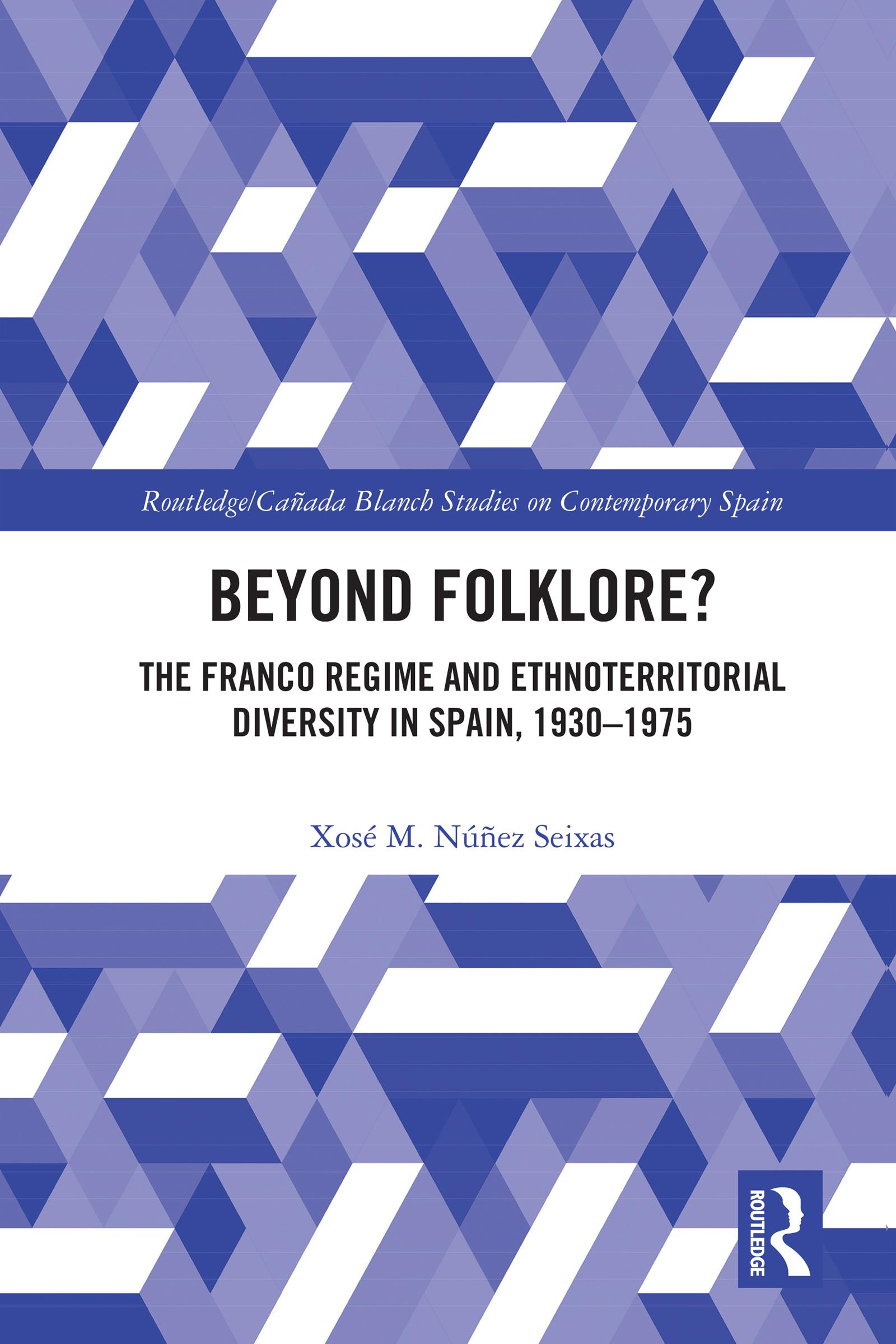
This book analyzes the promotion of subnational identities undertaken by Spanish fascism and the Franco regime between 1930 and 1975, as well as their patterns of survival, accommodation and adaptation.
It examines the proactive attitudes of the various actors committed to the dictatorship – from Falangists to Francoist intellectuals to Catholic conservatives – alongside their repressive or annihilating approach to regional cultures and languages. As in most Fascist regimes between 1922 and 1945, a narrative of the ethnocultural, ethnoterritorial and historic diversity of the nation persisted, with differing degrees of intensity and different tendencies. These discourses and practices were not limited exclusively to the ideological and social sphere of anti-Francoism, and the roots of the ‘State of the Autonomous Communities’, which gave rise to the extension of political autonomy to all Spanish regions from 1978 onwards, date back to the deep structure of the dictatorship, with foundations in demands put forward by the local, provincial and regional elites within later Francoism.
The volume is primarily written for scholars and students of Iberian Studies, European Modern and Contemporary History, Cultural Studies, especially those with an interest in memory studies, fascism, nationalism and regionalism, cultural resistance under dictatorship, and transitions from dictatorship to democracy.
Płać wygodnie kartą, Klarną, Apple Pay lub Google Pay. Nie jesteś zadowolony? Zawsze masz 14-dniową gwarancję zwrotu pieniędzy. Więcej przeczytasz w naszych warunkach. Masz pytania? Napisz do nas na hello@memmo.org.
Memmo ułatwia naukę – gdziekolwiek jesteś na świecie. U nas znajdziesz podręczniki i sprytne narzędzia do nauki w jednym miejscu: streszczenia, quizy, podcasty i fiszki. A do tego Ted, Twój kumpel do nauki, który odpowie na wszystko, co Cię nurtuje. Ponad 50 000 studentów już tu się uczy – stworzone, byś uczył się szybciej i mniej stresował.