
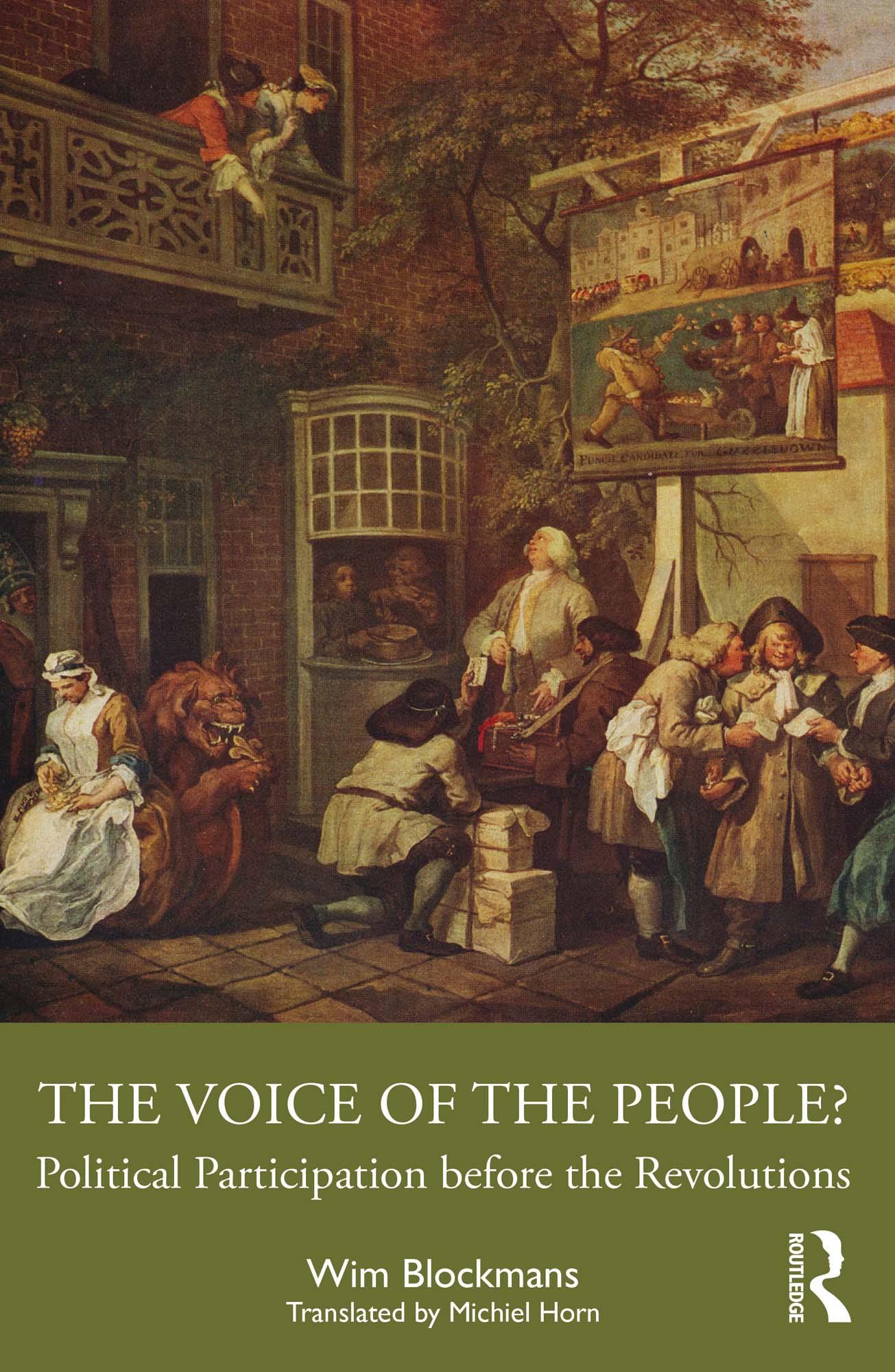
Over the last two centuries, Europe has developed various forms of political representation from which democratic parliamentary systems gradually emerged. This book unravels the conditions, scale and impact under which political participation of common burghers and peasants emerged.
Political participation in Europe before the Revolutions moved away from the traditional focus on ‘Three Estates’ which has often blurred the interpretation of popular participation’s role in societies. This book instead examines Europe’s key political variants such as high levels of commercialization and urbanization, combined with a balance of powers between competing categories of actors in society controlling relatively independent resources which lead to political participation forming across the continent. Instead of starting from any ideal type of political participation, this book focuses on the variation through time and space, its composition and activity, helps to explain the functions particular institutional settings fulfilled. The time frame 1100–1800 sheds light on the long-term evolutions such as institutional inertia and processes of oligarchizing. To reveal a correlation of economic and demographical growth with the claim of rising social classes to voice their interests. It also points to the opposite tendency: the formation of fiscalmilitary monarchical states.
This book is essential reading for those interested in the formation of Europe’s political structures and students of premodern political history.
Płać wygodnie kartą, Klarną, Apple Pay lub Google Pay. Nie jesteś zadowolony? Zawsze masz 14-dniową gwarancję zwrotu pieniędzy. Więcej przeczytasz w naszych warunkach. Masz pytania? Napisz do nas na hello@memmo.org.
Memmo ułatwia naukę – gdziekolwiek jesteś na świecie. U nas znajdziesz podręczniki i sprytne narzędzia do nauki w jednym miejscu: streszczenia, quizy, podcasty i fiszki. A do tego Ted, Twój kumpel do nauki, który odpowie na wszystko, co Cię nurtuje. Ponad 50 000 studentów już tu się uczy – stworzone, byś uczył się szybciej i mniej stresował.